Consumo di ruolo, record nel 2025: coperti in Italia 102 kmq
Nel 2024 l’avanzata si era fermata a 84 kmq di territorio. Le regioni con numeri maggiori: Sicilia, Lazio, Puglia, Lombardia
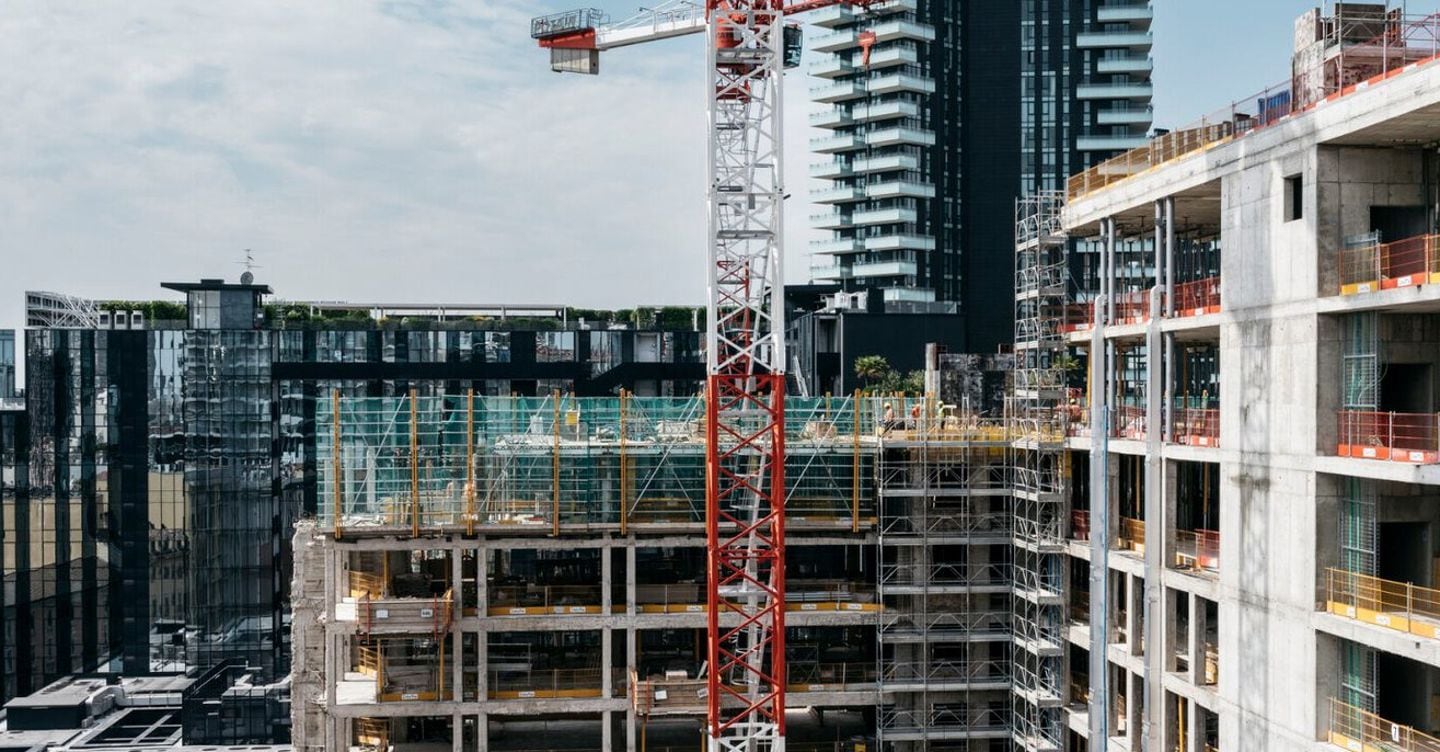
In 2025, Italy's land consumption reaches a new record, expanding by an additional 102 kmq, at a rate of more than 3 square meters per second, equivalent to over 280,000 square meters per day. This surpasses the previous record set in 2024 of 83.7 kmq. The data is included in the 2026 edition of the "Rapporto sul Consumo di suolo in Italia," a report prepared by the Superior Institute for Environmental Protection and Research (Ispra) and the National System for Environmental Protection (Snpa).
This year's report not only measures the phenomenon but also provides a national map of potentially recoverable soil. The report identifies 3,281 kmq of land suitable for urban forestry and 1,116 kmq of rooftops suitable for installing photovoltaic systems. Additionally, nearly 9.6 million vacant apartments can be recovered and reused.
Public urban areas suitable for restoration exceed 35,000 hectares, with the highest extensions in Lazio, Lombardy, and Veneto. The capital city of Rome leads the list. In 2025, impermeable surfaces cover 7.19% of the national territory, amounting to 21,644 kmq covered by buildings, infrastructure, plazas, installations, and other artificial surfaces.
In the past year, cement and asphalt have removed more than 10,200 hectares of natural areas, equivalent to more than 102 kmq. Restorations stop at 746 hectares, resulting in a negative balance for nearly 9,500 hectares. Sicily adds just over 1,600 hectares of artificial land, Lazio over 1,400 hectares, and Puglia and Lombardy exceed 1,000 hectares.
Almost 96% of Italian municipalities have experienced new artificial coverings in 2006, with the most significant increases in Tuscania (+319 hectares), Montalto di Castro (+316), and Catania (+198). Excluding ground-level photovoltaics, the highest values are found in Rome (+74 hectares), Foggia (+72), Cerignola (+53), and Campania (+51).
Land consumption also advances in the most fragile areas: in one year, +1,106 hectares in flood-prone zones and 707 hectares in landslide-prone areas. More than half of the new artificial surfaces (52.6%) is due to construction sites spanning 5,387 hectares. New buildings cover 725 hectares of natural land and 435 hectares of previously existing construction sites, resulting in a total growth of 1,160 hectares.
Piazzas, service areas, and other artificial surfaces increase by 1,230 hectares, while mining activities and existing infrastructure cover 390 and 506 hectares, respectively, including works built on existing sites. Logistics-related phenomena grow the fastest, adding 390 hectares in a year, particularly in Piedmont (+115 hectares) and Lazio (+59).
Extending also includes ground-level photovoltaics (+2,798 hectares, nearly forty times the 2021 value) and wind power installations (+118 hectares, including associated infrastructure). Over two-thirds of new transformations are concentrated in cities. In 2025, 4,231 hectares of green areas and 320 hectares of tree cover disappear, reductions reflected in summer temperatures.
In the most impermeable areas, soil temperatures exceed those of surrounding rural areas by over 10°C, with peaks reaching 12°C. Where trees are more present, temperatures are up to 1.8°C lower. Maria Alessandra Gallone, president of Ispra-Snpa, comments: "Today, environmental knowledge serves not only to describe problems but to build solutions.
The value of this report lies in its ability to not only photograph land consumption's advancement but provide concrete guidance on how to counteract it and identify opportunities for sustainable development of territories and cities. Ispra and the National System for Environmental Protection provide data, analysis, and tools to identify alternative paths to land loss and guide choices towards recovering and regenerating what already exists."
Written by urgent.news from Il Sole 24 Ore's reporting — not their text. Machine-written — may contain errors; check the original before relying on it.