Circular economy boosts value of agricultural byproducts
Agricultural byproducts are emerging as a new source of revenue for businesses, helping reduce waste treatment costs while creating additional income opportunities for farmers. Autumn economic forum opens in Ho Chi Minh City Youth Inspiration Talks kicks off 2025 Autumn Economic Forum Autumn Economic Forum 2025 to offer HCMC new investment opportunities Ho Chi Minh City announces program for…
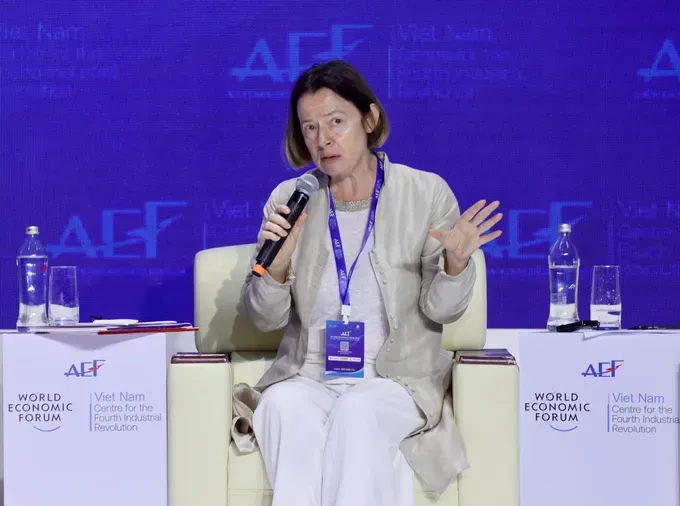
Agricultural byproducts are becoming a valuable source of revenue for businesses, reducing waste treatment costs and generating additional income for farmers. At a recent discussion session on circular economy, speakers addressed strategies to enhance the value of agricultural products through byproduct utilization. Vietnam, known for its agricultural prowess, has untapped potential in maximizing byproduct revenue.
By transforming rice, coffee, fruit, and seafood byproducts into raw materials for various industries, the circular economy can reduce waste, cut costs, and create new income streams. In Vietnam, several initiatives demonstrate the commercialization of byproducts. The Phuc Sinh Joint Stock Company, for instance, derives about 5% of its revenue from cascara tea made from coffee fruit husks, benefiting around 1,500 farmers.
The company encourages farmers to adopt better harvesting practices and select high-quality cherries to increase the value of raw materials. Phuc Sinh's CEO believes the model can be replicated across Vietnam. Commercializing byproducts involves improving cultivation, harvesting, and processing techniques, thereby enhancing product quality and creating new revenue sources.
Vietnam's agricultural regions, particularly those cultivating coffee, could experience significant socioeconomic benefits from circular economy models. Commercializing byproducts also necessitates suitable technology, a reliable supply of raw materials, and a stable consumer market. Experts argue that producing value from byproducts requires more than just waste reduction; production chains must be restructured, high-value products developed, and benefits fairly distributed among stakeholders.
The SWITCH-Asia Program supports businesses in adopting circular economy practices, reducing chemical and fertilizer use, and improving production efficiency. To facilitate commercialization, stakeholders must redesign business models, strengthen connections with financing sources, and address market demand for byproduct-based products.
On this front, leading financial institutions and research institutions have announced a cooperation agreement to implement an ESG transformation program and enhance green finance access for SMEs in Ho Chi Minh City.
Written by urgent.news from SGGP English Edition Business's reporting — not their text. Machine-written — may contain errors; check the original before relying on it.