Capital no longer creates jobs, and AI is compounding the issue: Yatish Rajawat of Hundred Million Jobs
At TechSparks 2026, K Yatish Rajawat of Hundred Million Jobs said MSMEs, data laws, entrepreneurship and reskilling will shape the next wave of employment in the country.
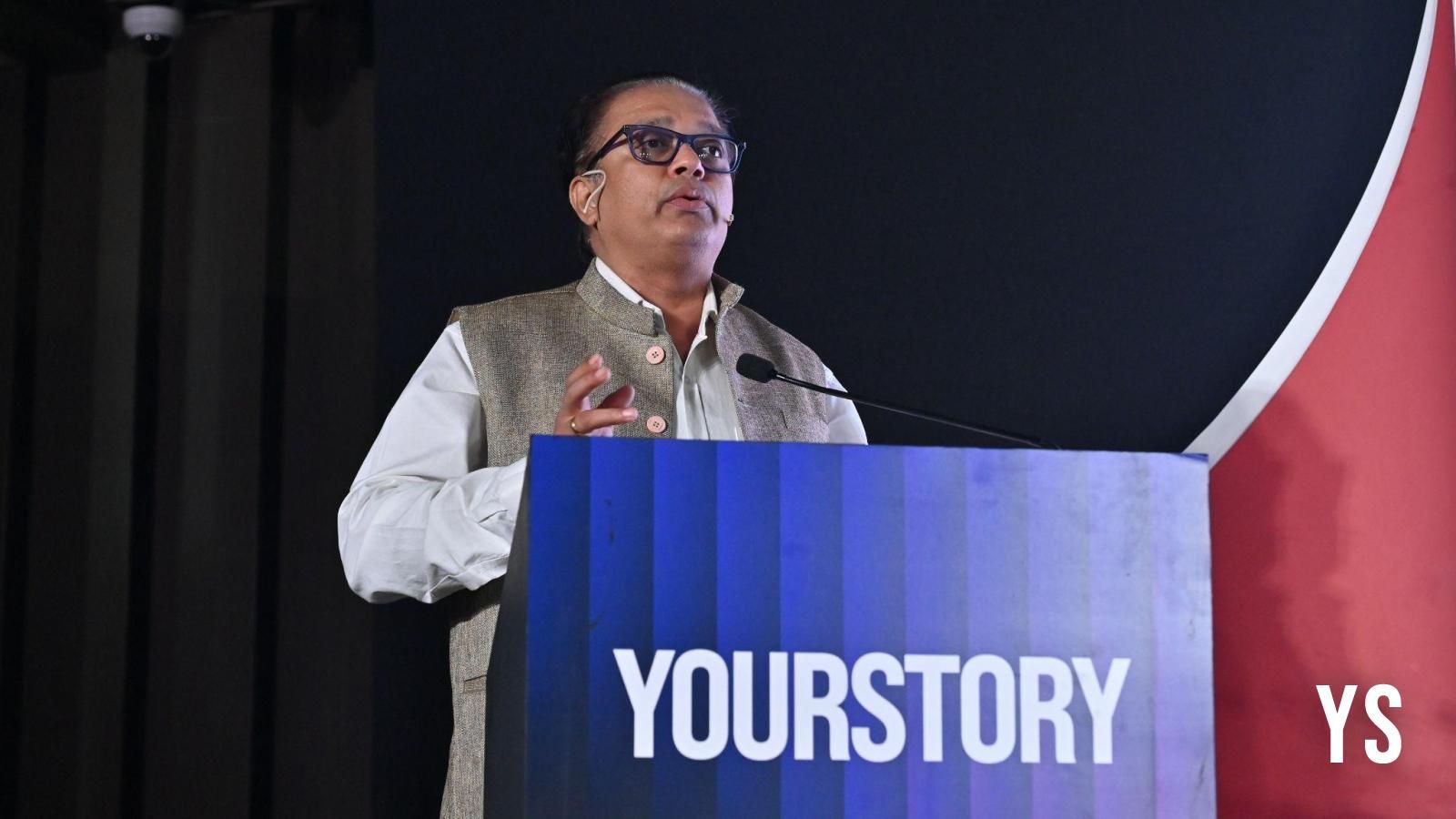
India's growth model has quietly severed the connection between investment and employment, according to K Yatish Rajawat, co-founder of Hundred Million Jobs. Speaking at the YourStory tech-startup summit, Rajawat noted that capital is no longer creating jobs at scale. The employment situation varies across cities like Delhi, Mumbai, and Bengaluru.
In Bengaluru, for instance, the focus is often on AI and its impact on jobs. The problem began a decade ago on factory floors with automation. Even firms with turnovers of Rs 10 crore or Rs 50 crore now rely on robots, which are constantly becoming more advanced. These machines perform tasks beyond simple widget movement, responding to their surroundings and handling various materials.
Rajawat expects services to follow suit in automation. Nobel Prize-winning MIT professors Daron Acemoglu and Simon Johnson's book, Power and Progress: Our Thousand-Year Struggle Over Technology and Prosperity, informs Rajawat's perspective. While technology eventually leads to job creation, it does so with a delay. Those who lose their jobs are often different from those who gain new roles.
Younger workers may adapt, but older employees are less likely to do so. Rajawat identified three trends reshaping the economy: outdated investment-to-job ratios, AI and automation's impact on white-collar work and MSMEs, and platform consolidation by dominant online platforms. Hundred Million Jobs, a non-profit, focuses on ground projects, research, and advocacy.
They are working with Rajasthan to turn skilling into job creation, helping Kolhapur's foundry and die-casting units reduce energy costs through renewable energy. The initiative also addresses legal challenges and advocates for data-ownership laws and recognition of MSMEs in entrepreneurship awards. Rajawat emphasizes the importance of the market providing support for displaced workers, not the state.
Written by urgent.news from YourStory's reporting — not their text. Machine-written — may contain errors; check the original before relying on it.