Budget 2026: Will the real John Healey please stand up?
John Healey is set to deliver his first Budget although business chiefs, trade unionists and bond traders are still unsure of what to expect. Maurício Alencar reports on whether he can assert his authority on Wednesday. In the period between Sir Keir Starmer leaving Number 10 and Andy Burnham taking over, ambitious Labour figures vied [...]
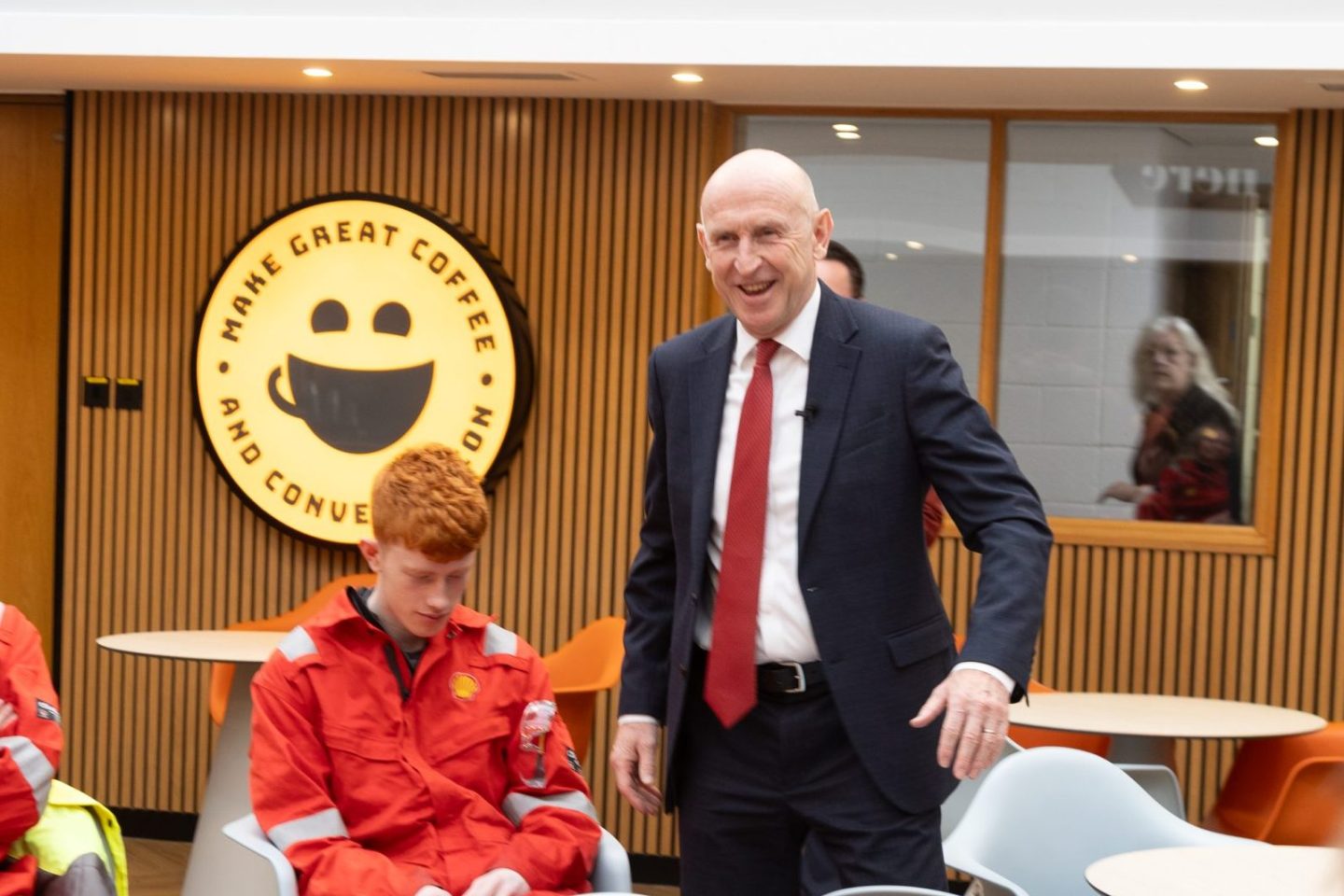
John Healey is set to present his inaugural Budget, yet business leaders, union representatives, and financial traders remain uncertain about his proposed measures. In the interim between the resignation of Keir Starmer and the appointment of Andy Burnham, several Labour officials, including Wes Streeting and Shabana Mahmood, expressed their economic strategies.
However, just four days after reports claimed Mahmood would assume the position of Rachel Reeves, Healey was appointed Chancellor, leaving various parties perplexed and Healey under pressure to outline his economic ideology.
During his initial three speeches since taking office, Healey aimed to appease each group. At Bloomberg's offices in July, he promised to maintain a fiscal buffer and strengthen market confidence. At a manufacturing site in Coventry, he supported wealth generation and further private sector investment. At the Labour Party conference later that month, Healey vowed to prioritize unions and industrial renaissance.
His statements have generated questions about his capacity to capitalize on the situation. Healey stated that banks are the "jewel in the British economic crown" in the same breath as reports suggesting he might raise a tax on them.
The upcoming Budget might enable Healey to demonstrate his authority. Political observers have struggled to remember that he once served as a Treasury minister with his own economic convictions. In 1998, Healey and Ed Balls, then an adviser to Gordon Brown, drafted papers on devolution, leading to local investment bodies being established in the 2000s before being dismantled by George Osborne.
Healey's devolution initiative could be a means for him to effect transformative political and economic changes in Britain. His opportunity to make an impact by delivering a Budget that "meets the moment," as he had promised, could also elevate his reputation. If he successfully maintains public finances without alarming Britons, it would likely solidify his popularity.
Conversely, reckless decisions could further tarnish his image. With rising global bond yields and increased energy costs due to the Iran conflict, Healey's fiscal buffer has dwindled to approximately £12bn. As with any of his predecessors, he is vulnerable to the Office for Budget Responsibility's mathematical adjustments. Minor modifications to forecasts regarding migration, government receipts, or wages could result in substantial swings in his buffer levels by tens of billions of pounds.
Although better-than-expected growth data might improve market sentiment about the UK's public finances, the central figures might disregard this year's surge. Addressing welfare and defense pressures will remain a challenge, irrespective of the UK's improved performance. RSM UK economist Thomas Pugh anticipates that a banking tax generating £2bn annually would be the primary source of revenue.
Pugh's colleague Chris Etherington, a tax partner at the City consultancy, believes smaller levies could be levied through online retailers, land around infrastructure projects, gambling, and other "sin" goods like junk food. This leaves it unclear how far Healey will go in raising taxes after two years of government income rising by nearly £70bn, especially if he intends to provide relief to households and businesses.
The government's plan may hinge on reducing the tax gap of around £59bn, which is the discrepancy between the theoretical tax owed to HMRC and the actual amount paid. Reports over the weekend suggested that the tax authority might be granted the power to seize funds from individuals' bank accounts. The Budget could also involve reforming the tax and spending structure.
There have been proposals to utilize changes in the tax and spending regime to fund additional reliefs for entrepreneurs launching start-ups, akin to a strategy for business rates. Some businesses operating outside high streets might incur higher costs to fund these cuts.
Written by urgent.news from City AM's reporting — not their text. Machine-written — may contain errors; check the original before relying on it.
This story
This is one outlet's version. Read the fullest account.