Ather Cracks Profitability In Q2, But Can It Sustain The Momentum?
Q2 FY27 marked a major milestone for Ather Energy as the listed electric vehicle (EV) major turned profitable for the…
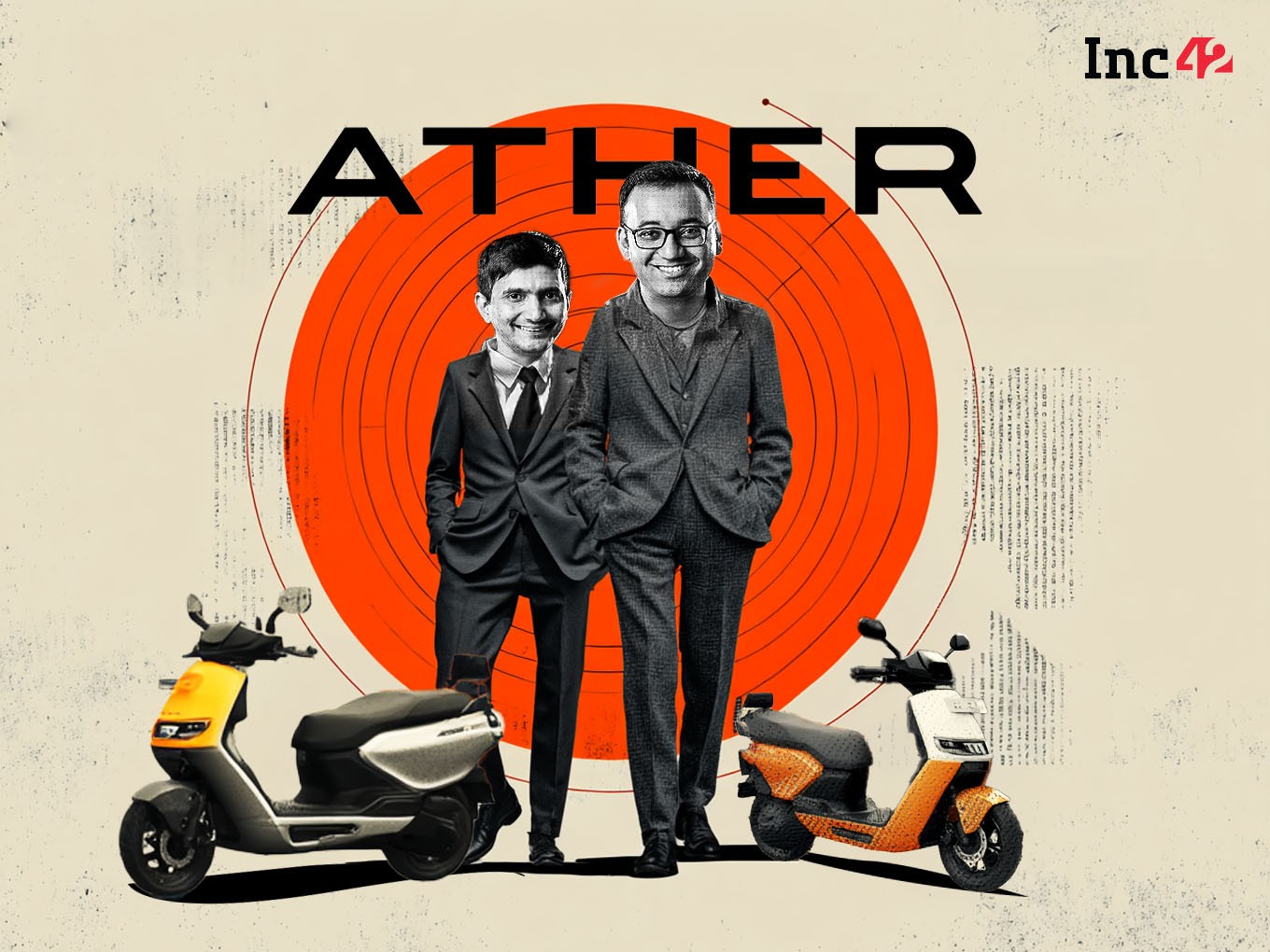
In Q2 of the fiscal year 2027, electric vehicle (EV) company Ather Energy achieved its first-ever profitability, reporting a consolidated net profit of ₹1.3 crore. This marked a significant turnaround from previous quarters, where the company had reported substantial net losses. CEO Tarun Mehta emphasized that the company's focus was not solely on profit after tax (PAT), but rather on capacity addition to boost sales volumes and top-line growth.
Ather's expansion plans include a ₹122 crore investment to increase the capacity of its existing factory and its upcoming unit, AURIC, by 2.25 lakh units per year. This would result in a total installed capacity of 11.4 lakh units by Q2 FY28. However, CEO Mehta stressed that capacity addition was a critical bottleneck for the company's performance, as supply issues were overhauling its progress.
The company's pre-orders, registrations, and production have all increased year-on-year, with pre-orders up by 108%, registrations up by 60%, and production up by 45%. Despite this, Ather's unit at Hosur is already operational, and the company plans to scale its installed capacity by an additional 6,000 units in Q3 FY27. However, the expansion at its AURIC plant will take longer, with production expected to commence in Q4 FY27.
Margin improvements were observed during the quarter, with elevated commodity prices for raw materials like aluminium, copper, and plastics accounting for 9.4% of the margin reduction. Temporary interventions such as price hikes helped counteract these increased costs. However, Ather CEO believes that these temporary levers will only be viable for a finite period, as supply constraints and commodity prices remain elevated.
If either situation eases, the company may revert to using these levers, such as incentives and additional SKUs, again.
Written by urgent.news from Inc42's reporting — not their text. Machine-written — may contain errors; check the original before relying on it.