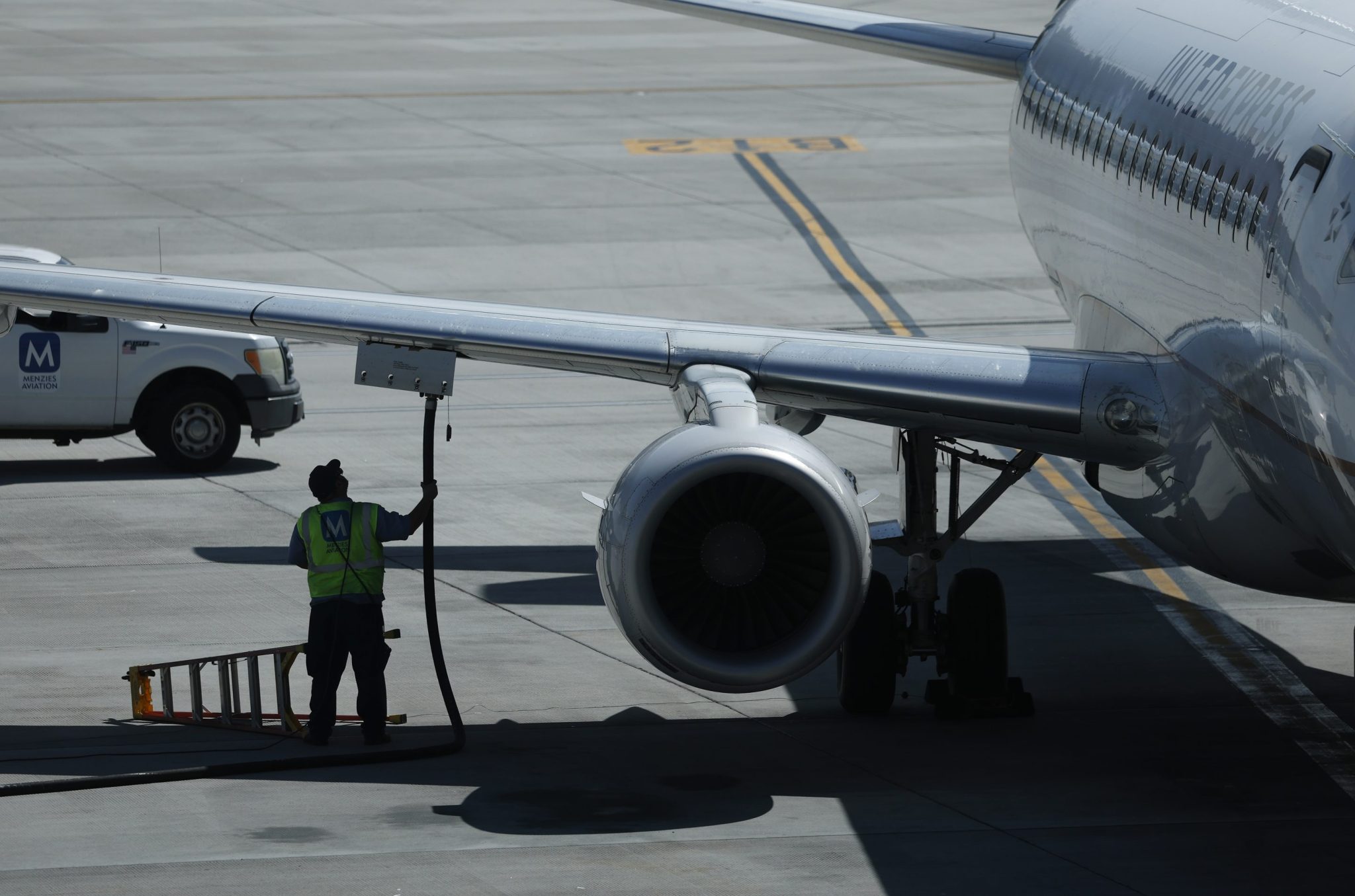
Airlines are trading nearly 23% higher ticket prices for emptier planes as jet fuel prices spike over 90% from the Iran War’s fuel squeeze
Jet fuel has nearly doubled in price since February—leaving airlines scrambling to make up the difference.
The Iran war has proven costly for Americans, with fuel prices soaring to nearly eight times higher than global averages, according to new research. Since the start of the conflict in February, U.S. consumers have borne an average of $471 more in fuel expenses, a sum that surpasses the global average of around $60 per person. The total bill for the nation stands at $160 billion, with China and Canada trailing at $54 billion and $17 billion respectively.
Mark Zandi, chief economist at Moody’s Analytics, estimates the war has cost American households approximately $2,000 each, encompassing higher gas prices, airfare, and transportation inflation.
The White House has attempted to ease concerns, with President Donald Trump downplaying affordability issues and claiming the war is essential to prevent Iran from acquiring nuclear weapons. Trump also boasted about the U.S. profiting from increased energy production, stating that the cost of fuel is a "very inexpensive price to pay."
CREA's research highlights that the U.S. is particularly vulnerable to higher fuel costs due to its oil-dependent economy and culture. Lauri Myllyvirta, co-founder of CREA, pointed out that the country's long history of lower fuel prices and less emphasis on sustainable transportation creates a significant impact. The U.S. is heavily exposed to global market rates for oil, and its reliance on oil consumption makes it more susceptible to energy shocks. EV adoption in the U.S. also lags behind other countries, resulting in higher fuel consumption.
Despite Trump's efforts to assuage Americans' financial worries, the White House did not comment on the matter. Experts suggest that the U.S. policy landscape continues to discourage consumers from purchasing electric vehicles (EVs) and automakers from producing fuel-efficient vehicles. Policies such as the end of a $7,500 tax credit for EVs in September 2025 and the loosening of fuel economy standards aimed at mitigating pollution have contributed to the ongoing issue.
Myllyvirta warns that even if the war concludes, the reliance on oil-powered vehicles will likely lead to continued volatility in fuel costs, inflation, and economic policies.
Written by urgent.news from Fortune's reporting — not their text. Machine-written — may contain errors; check the original before relying on it.