AI voice cloning threatens trust as elections approach
AI voice cloning, deepfakes and digital impersonation could make election misinformation harder to detect ahead of elections.
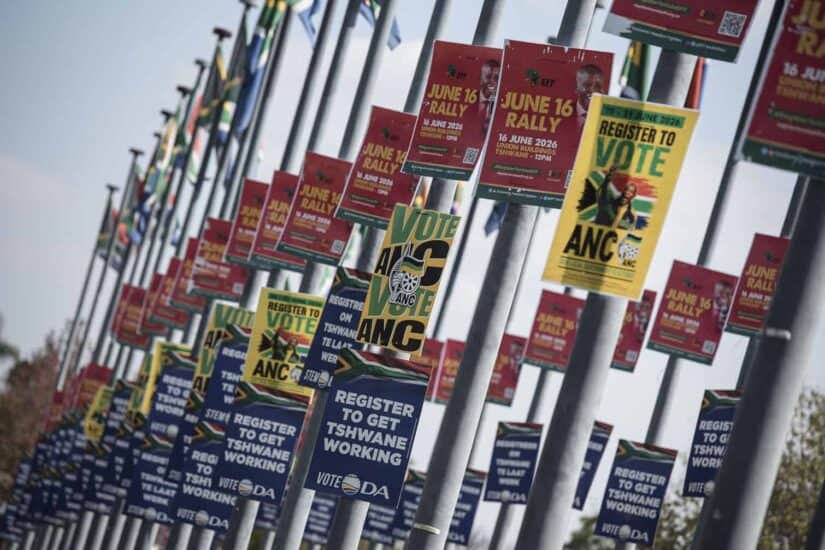
AI voice cloning technology poses a significant threat to election integrity as South Africans prepare for local government elections. South Africans face a new and highly personal disinformation risk with sophisticated telecommunications fraudsters potentially capable of impersonating voters. The Communications Risk Information Centre (COMRiC) warns that AI-generated voice cloning, deepfakes, spoofed messages, compromised accounts, and advanced social engineering could make it difficult for voters to determine if the person contacting them is who they claim to be.
This issue is particularly relevant at local government levels, where information spreads rapidly through community WhatsApp groups, social media networks, and direct messaging.
The danger lies not only in the rapid spread of false information but also in its increasing believability due to advanced technological manipulation. Fraudsters are becoming adept at impersonating trusted individuals and organizations, using urgency, fear, and emotion to prompt people to act without verifying the information. While not suggesting any interference during the elections, the capabilities demonstrated in telecommunications fraud highlight the need for vigilance.
Voters, political organizations, and authorities must remain alert to the risk of election disinformation.
To combat this threat, South Africans should adopt a simple rule: stop, verify, and don't amplify. If a message shocks, frightens, angers, or demands immediate action, take a moment to verify the information before acting or sharing. False claims should be checked against a second, independent source, especially concerning voting stations, registration dates, voting procedures, or electoral information.
Always verify with the Electoral Commission of South Africa. Each time suspicious content is forwarded, its potential audience expands, inadvertently contributing to the distribution of disinformation.
When encountering fraudulent or misleading communications, preserve evidence such as screenshots, phone numbers, messages, and voice notes. This helps authorities, telecommunications operators, and other organizations identify patterns of suspicious activity. Report suspected election disinformation to appropriate electoral channels, and report telecommunications fraud to the relevant mobile network operator.
Combating election disinformation requires collaboration between telecommunications operators, financial institutions, technology platforms, electoral authorities, law enforcement, and consumers. Ultimately, voters remain the strongest defense against this threat. Before believing, acting, or sharing any election-related information, verify its accuracy.
Written by urgent.news from The Citizen's reporting — not their text. Machine-written — may contain errors; check the original before relying on it.