AI-driven disinformation running rampant on social media before US midterms, experts warn
Social media companies including Meta have pulled back on efforts to protect voters from election-meddling lies Social media feeds are awash with an unprecedented flood of AI -driven disinformation ahead of November’s US midterm elections , according to experts, who warn many posts are likely “slipping through the cracks”. As tens of millions of Americans prepare to cast their vote, social media…

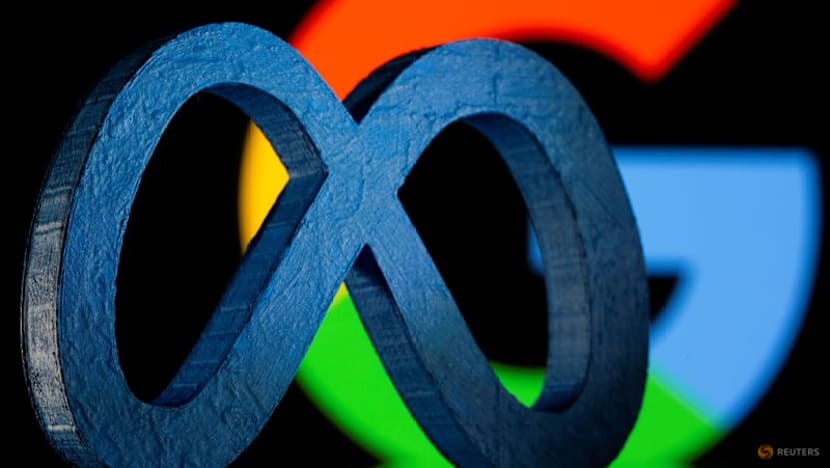
As the US midterm elections draw near, experts warn of a surge in AI-driven disinformation on social media platforms, which are struggling to keep up with the onslaught of deceptive content. Social media giants such as Meta, now Facebook and Instagram, and X, previously Twitter, have scaled back their efforts to combat election-meddling lies, citing backlash from the right over concerns about free speech.
Frances Haugen, a former Facebook data engineer and whistleblower, explains that AI has made it possible to launch highly sophisticated disinformation campaigns at a fraction of the cost seen in previous elections.
Social media feeds are being inundated with an unprecedented flood of AI-generated disinformation, often slipping through content moderation filters. Examples include a false claim that Democratic Senate candidate James Talarico was being treated at a mental health facility in Ohio, and a fabricated story about Republican opponent Ken Paxton alleging that Talarico attempted suicide. The deceptive narratives evolve and mutate as they spread, making it difficult to correct the original falsehoods.
These misinformation campaigns have extended to official government sources, such as the Department of Homeland Security's amplification of a claim that an undocumented immigrant was working for a Democrat's congressional campaign. Despite the campaign providing evidence that the claim was false, it continued to gain traction. With the addition of deepfake technology, campaigns have produced misleading content, such as an AI-generated video of Talarico rewriting the Bible, which has been used in political advertisements.
The issue is particularly concerning for Spanish-language media, where companies have reduced their content moderation efforts due to a shift towards community-centered moderation. The Digital Democracy Institute of the Americas (DDIA) noted that platforms enforce their terms of service more stringently in English compared to other languages, leaving Spanish-language content more vulnerable to unfiltered spread.
Experts call for a stronger response to combat the growing problem of AI-driven disinformation, emphasizing the need for improved safeguards and more consistent enforcement across all languages.
Written by urgent.news from The Guardian US's reporting — not their text. Machine-written — may contain errors; check the original before relying on it.