Your TV's HDMI ports aren't equal, and manufacturers aren't telling you the whole story
The HDMI port you use makes a bigger difference than you think.
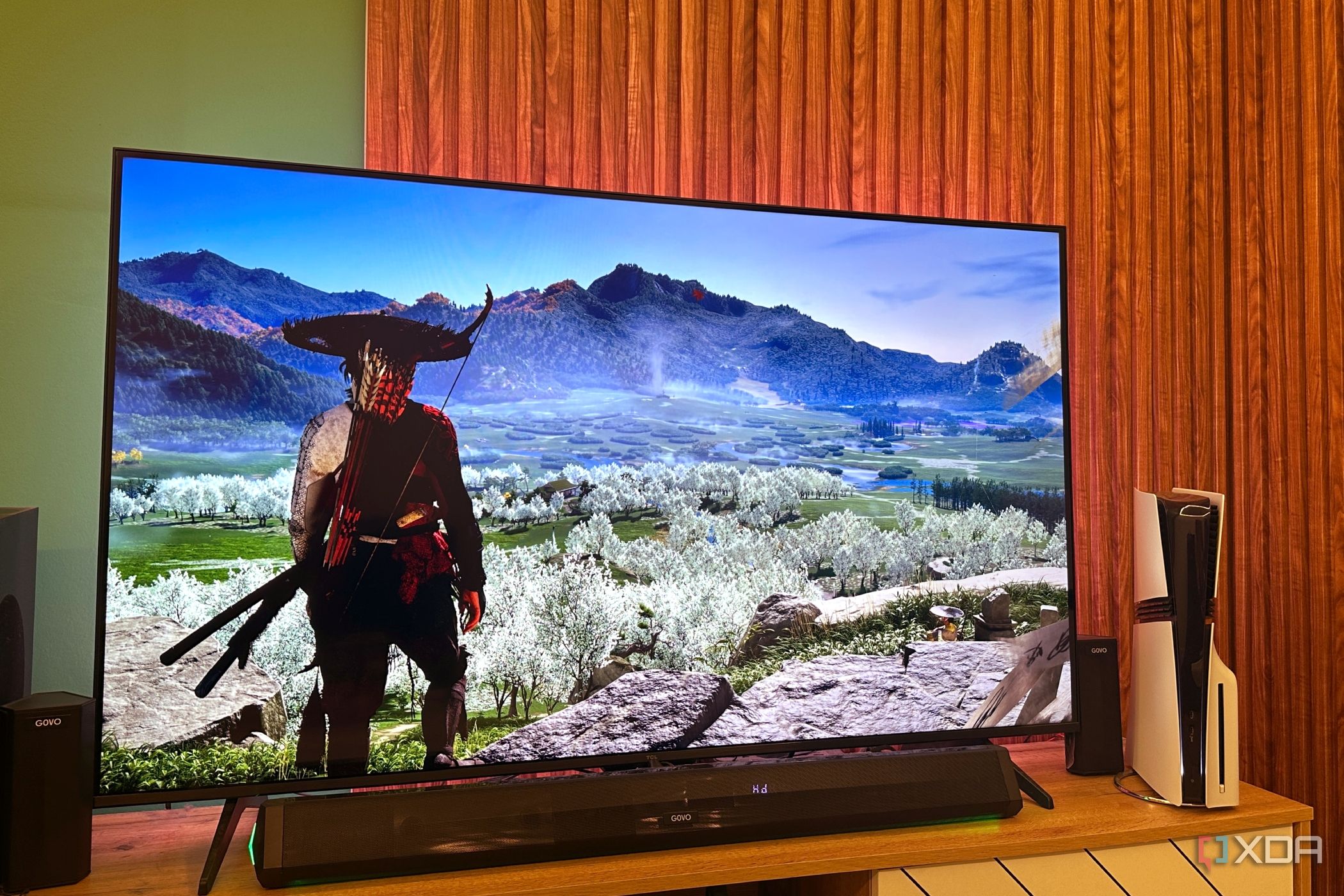
People often spend a significant amount of money on a new television and gaming console, only to be disappointed when the TV fails to deliver the advertised features. Salespeople on showroom floors often rave about 4K resolution, high refresh rates, variable refresh rates, and HDMI 2.1 support, only for those features to mysteriously disappear once the TV is set up at home.
This issue is not necessarily due to a faulty console, HDMI cable, or even the TV's processing capabilities. Instead, it stems from a less obvious and more common problem: the manufacturers' failure to clearly explain the distinct capabilities of their HDMI ports.
A real-life example of this issue occurred when a friend purchased a PlayStation 5 Pro for $1100, a price significantly higher than its usual $700 retail value. The console worked well with their LG C5 OLED TV, which they had bought earlier. However, launching games on the console dropped the output to 1080p rather than maintaining its advertised 4K resolution. The problem lay in the fact that the console was connected to the TV's third HDMI port, which could handle 4K resolution but not at 120Hz, its default refresh rate.
The first HDMI port, designated as the HDMI eARC port, was used for connecting a soundbar. The second port was used for an Apple TV 4K. These port assignments caused the console to automatically adjust its output based on the available bandwidth of the connected device. This issue raises questions about manufacturers' labeling practices and the transparency of their products. While it would be ideal for manufacturers to label all capable HDMI ports with a 4K120 marking, many do not.
Manufacturers often reserve the best HDMI ports for full bandwidth HDMI 2.1 implementations, leaving the other ports with lower capabilities. This cost-cutting strategy leaves users in the dark, often having to resort to detective work to determine which ports deliver the promised features. For example, on some TVs, the HDMI port that offers the best gaming capabilities (4K120) is also the only one designated for eARC (enhanced Audio Return Channel), forcing users to choose between uncompromised gaming and convenient audio connectivity.
This issue isn't limited to console gamers or PC enthusiasts. Home-theater enthusiasts and Mac mini owners may also face compatibility issues with certain HDMI ports. Manufacturers know these distinctions are important, but they often hide them in specification sheets and manuals that users rarely read until it's too late. To avoid this problem, consumers should carefully examine the number of HDMI ports that can deliver the full experience they expect from their devices when shopping for a television.
Manufacturers should also be more transparent about these limitations before checkout to ensure customers are not left disappointed and frustrated with their expensive purchase.
Written by urgent.news from XDA Developers's reporting — not their text. Machine-written — may contain errors; check the original before relying on it.