Yen is becoming a better hedge against AI market shock: Goldman Sachs
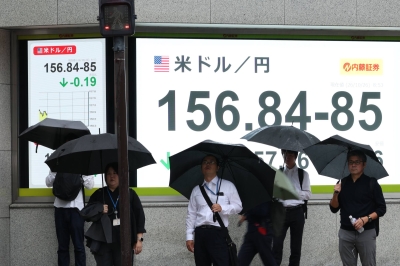
The yen surged 0.9% against the US dollar on Oct 22.
The yen is emerging as a stronger safeguard against an AI-induced stock market downturn, according to Goldman Sachs analysts. Policy changes in Japan are lowering the risk of the currency plummeting sharply when global interest rates rise, a Goldman Sachs note stated on October 23. Kamakshya Trivedi, among other strategists, wrote that the yen currently appears more appealing to investors with portfolios that mirror economic cycles, even though the global outlook still suggests further yen depreciation.
This assessment is based on the yen's recent performance during a recent global tech stock sell-off, which surged 0.9% against the US dollar on October 22 and hit its strongest level in over a month on October 23, driven by worries about the AI investment surge. The currency then retreated as US yields stabilized.
Goldman Sachs contends that the AI boom has left both US equities and the US dollar particularly vulnerable to a downturn in economic growth. A shock that simultaneously pushes stocks and bond yields down would create the type of market situation that has historically favored the yen. Additionally, the currency is becoming less susceptible to higher global yields, according to Goldman.
Recently, yen weakness in response to rising yields has been less pronounced than in the past six to seven years, likely due to Japan's domestic policy settings limiting depreciation pressure. This shift contrasts with 2022, when the Bank of Japan maintained yield-curve control despite global borrowing costs surging.
The changing dynamic makes the yen "a less painful hedge to hold, even if carry remains negative," Goldman Sachs said. Favorable domestic policies, the yen's undervaluation, and the potential for currency intervention are also limiting the currency's upside, enhancing the asymmetry of holding the Japanese currency as a hedge. In the short term, Goldman continues to recommend selling the euro against the yen, noting a lack of clear domestic catalyst for substantial yen appreciation and a high bar for the Bank of Japan to surprise markets with a hawkish statement during its policy decision on October 30.
However, in the longer term, the strategists see the dollar-yen trade as the most effective protection against deteriorating risk sentiment. "Short USD/JPY should be the most effective hedge against general growth wobbles or, specifically, a broad AI shock," they concluded.
Written by urgent.news from Straits Times Business's reporting — not their text. Machine-written — may contain errors; check the original before relying on it.
This story
This is one outlet's version. Read the fullest account.
- Goldman Sachs CEO David Solomon on AI’s economic impact: ‘There’s very little that we do where we need frontier models’ fortune.com
- Yen becoming more favorable hedge against AI market shock, says Goldman Sachs japantimes.co.jp
- Goldman Sachs cuts Kospi target by 25% amid AI stock selloff investing.com
- JPMorgan Chase, Goldman Sachs underscore security in AI plans bankingdive.com
- JPMorgan Chase, Goldman Sachs underscore security in AI plans ciodive.com