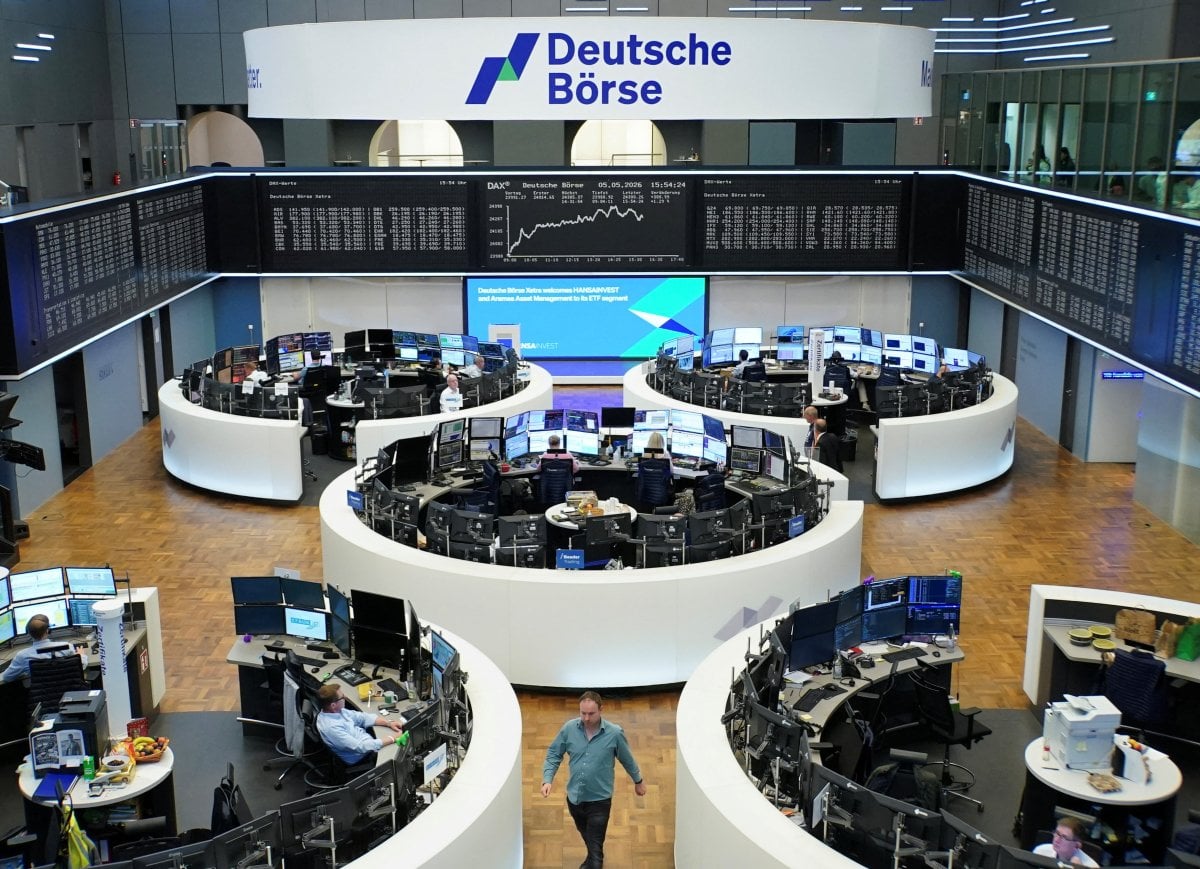
Why Prediction Markets Got the Brazilian Election So Wrong
Experts say Brazil's prediction market ban left the odds in the hands of traders with little knowledge about the election.
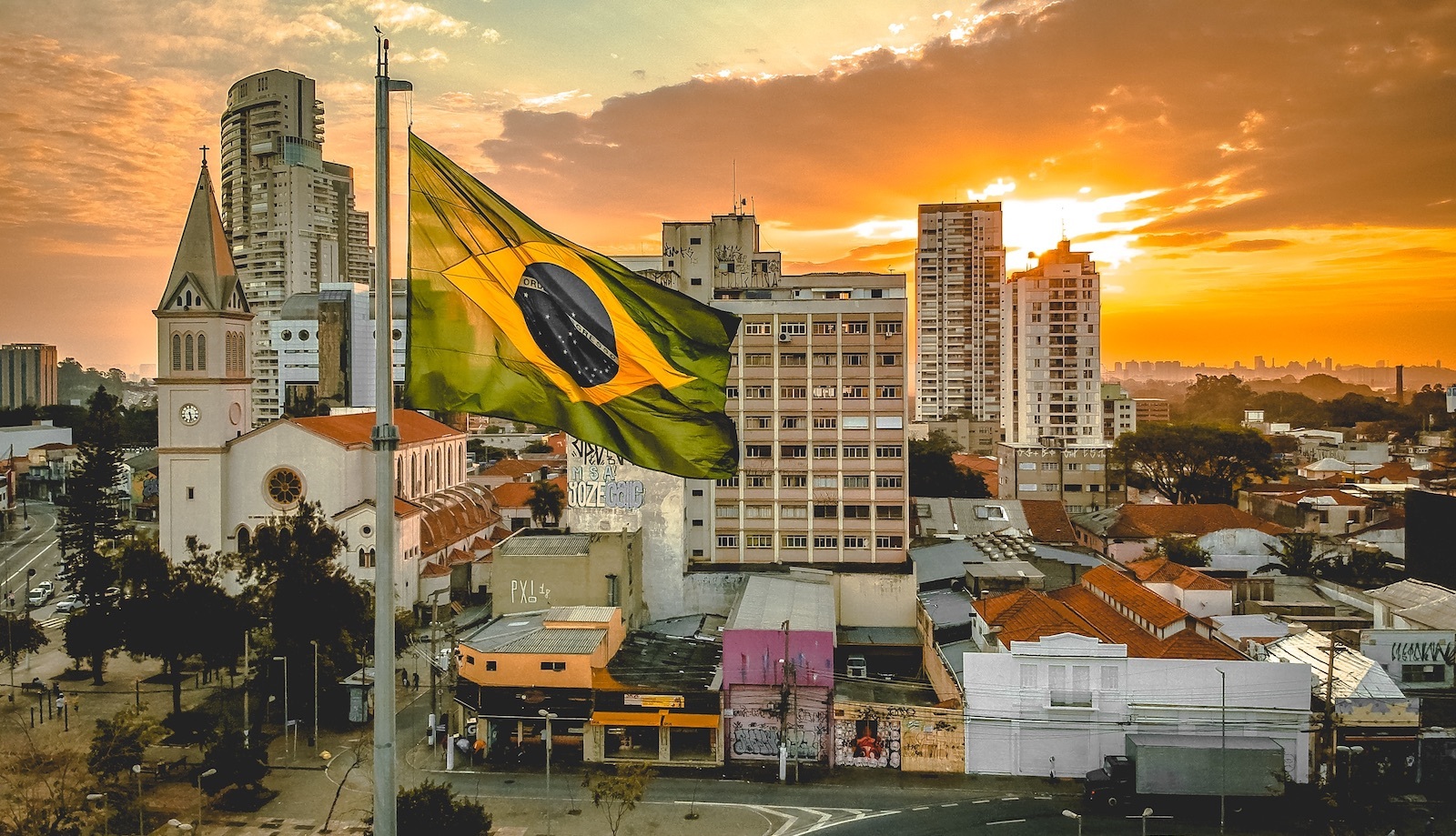
Brazil's Luiz Inácio Lula da Silva secured a resounding victory over Flávio Bolsonaro in the country's second round of presidential elections, decisively overturning the odds set by prediction markets. Platforms like Polymarket, which claim to gauge the future through "crowd wisdom," were utterly confounded by the outcome. In the first round on October 4, Polymarket odds placed Bolsonaro — son of current President Jair Bolsonaro — at over 80 percent to win, while Lula's chance of victory hovered at a mere 12 percent.
This bizarrely high favoritism for Bolsonaro persisted for a week until the actual voting commenced. However, the moment polls began to trickle in, the tides shifted dramatically. By Sunday morning, Polymarket's odds had Bolsonaro at an 81 percent chance of winning. The reality, however, was a staggering upset, defying all expectations based on this dubious platform.
Lula emerged victorious with 51.8 percent of the vote to Bolsonaro's 48.2 percent, as confirmed by official election results. This decisive win marked a strong rebuke to the rising right-wing sentiment sweeping Latin America. An estimated $62 million worth of bets were placed on Bolsonaro's potential win, yet his odds plummeted to as low as 15 percent as early polls emerged, prompting a massive influx of bets in Lula's favor.
While a single upset doesn't negate prediction markets' potential utility, the stark contrast between Polymarket's predictions and the actual results raises serious questions about their reliability. Polymarket's previous accurate prediction of Donald Trump's victory over Kamala Harris in the 2024 U.S. presidential election was hailed as a major triumph over traditional polling methods, which had shown the race as a toss-up.
Thus, when Polymarket miserably failed to predict such a consequential Brazilian election, it is only fair to scrutinize its credibility. The role of prediction markets as a gauge of public sentiment and their potential as a means to foresee the future remains an open question, regardless of what companies operating them might assert.
They are notorious hotbeds of insider trading, with the influence of substantial wagers by a select few wealthy bettors capable of skewing odds and overpowering the collective wisdom of the crowd. This credibility will be further tested during the upcoming midterm elections in November in the United States.
Written by urgent.news from Futurism's reporting — not their text. Machine-written — may contain errors; check the original before relying on it.
This story
This is one outlet's version. Read the fullest account.