Why Democrats are pivoting to thirst traps
Democrats have been emphasizing lots of issues in the runup to the 2026 midterms: The Iran war. The state of the economy and healthcare. Corruption. And…hotness. Specifically, their candidates: The internet is awash in clips of Michigan candidate Abdul El-Sayed pumping iron and podcasters proclaiming that “America deserves a hot president” in a video interspersed […]
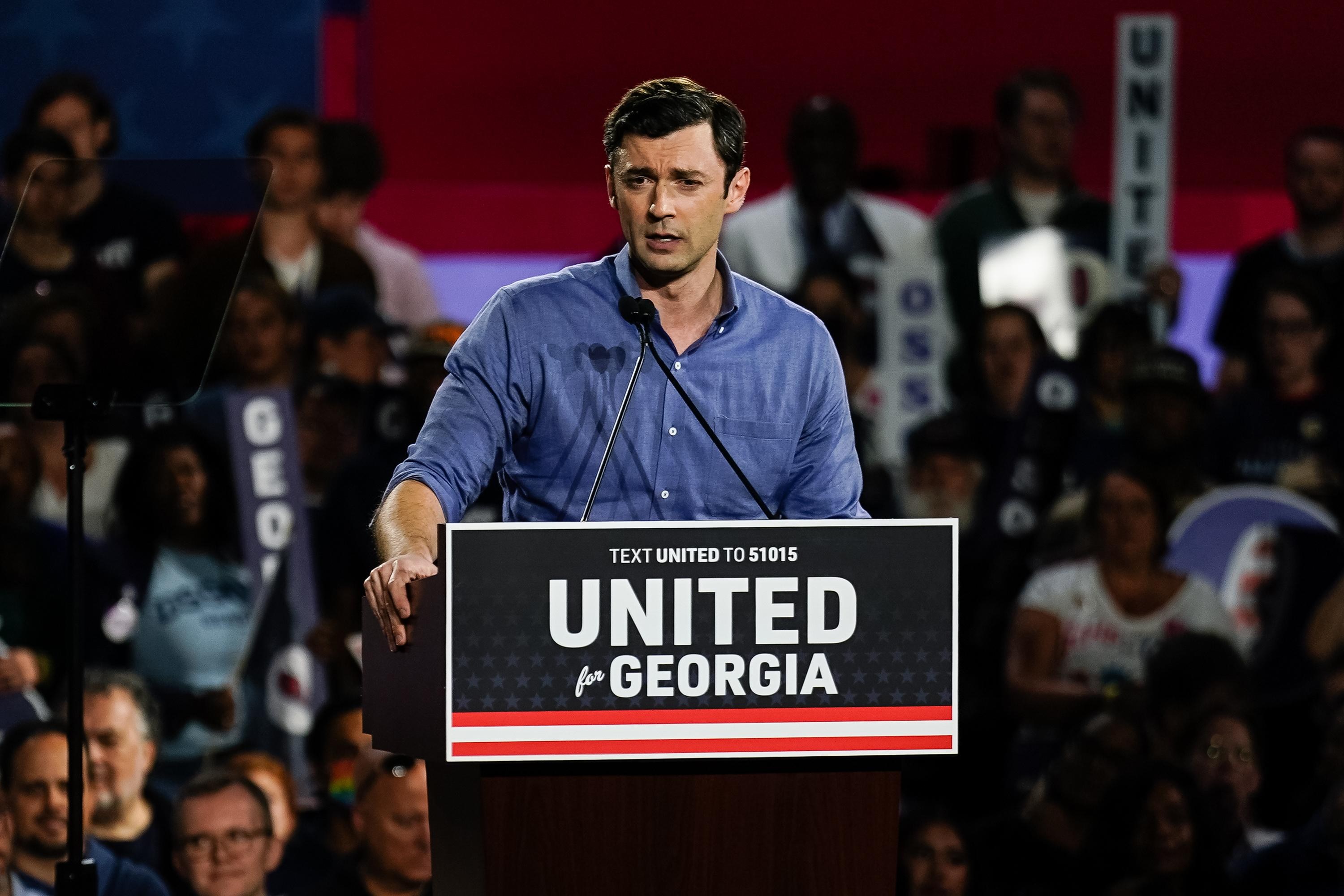
Democratic party strategists are increasingly focusing on what they call "thirst traps" to attract younger voters. The term refers to the use of sexually suggestive images and videos of politicians to generate attention and excitement. This trend has been particularly prominent in the run-up to the 2026 midterms, with candidates like Jon Ossoff and Abdul El-Sayed being the subjects of numerous "thirst edits" on social media platforms.
Grace Panetta, a politics reporter for The 19th, explained that these edits are often created by regular online creators who are not being paid by the campaigns. Instead, the content originates from genuine supporters of the candidates who want to showcase their appeal. Panetta noted that the campaign is not directly involved in creating these videos, but they are certainly aware of their candidates' appeal and are likely benefiting from them.
The use of "thirst edits" is seen as a way for Democrats to regain ground on the internet after losing ground in the 2024 election. The strategy acknowledges the shift in how people consume news and engage with politics, with a growing portion of American audiences turning to platforms like TikTok and Instagram for their information. By playing to these trends, Democratic campaigns hope to contrast themselves with the more sensational and engaging strategies employed by Republicans.
While the focus has been primarily on male candidates, Panetta noted that there are some instances of women candidates receiving similar attention. However, she emphasized that the objectification still carries a gendered component, with the content often emphasizing male candidates in a way that is less critical of the portrayal. The strategy represents a shift in how Democrats are trying to connect with younger voters and regain control of the digital landscape, which has become a crucial battleground in modern politics.
Written by urgent.news from Vox's reporting — not their text. Machine-written — may contain errors; check the original before relying on it.