Why Anthropic’s IPO Prospectus Is Missing So Many Key Figures
Anthropic’s S-1 filing is hundreds of pages long—and it leaves out quite a few financial details. “Anthropic owes investors more information,” one analyst tells WIRED.
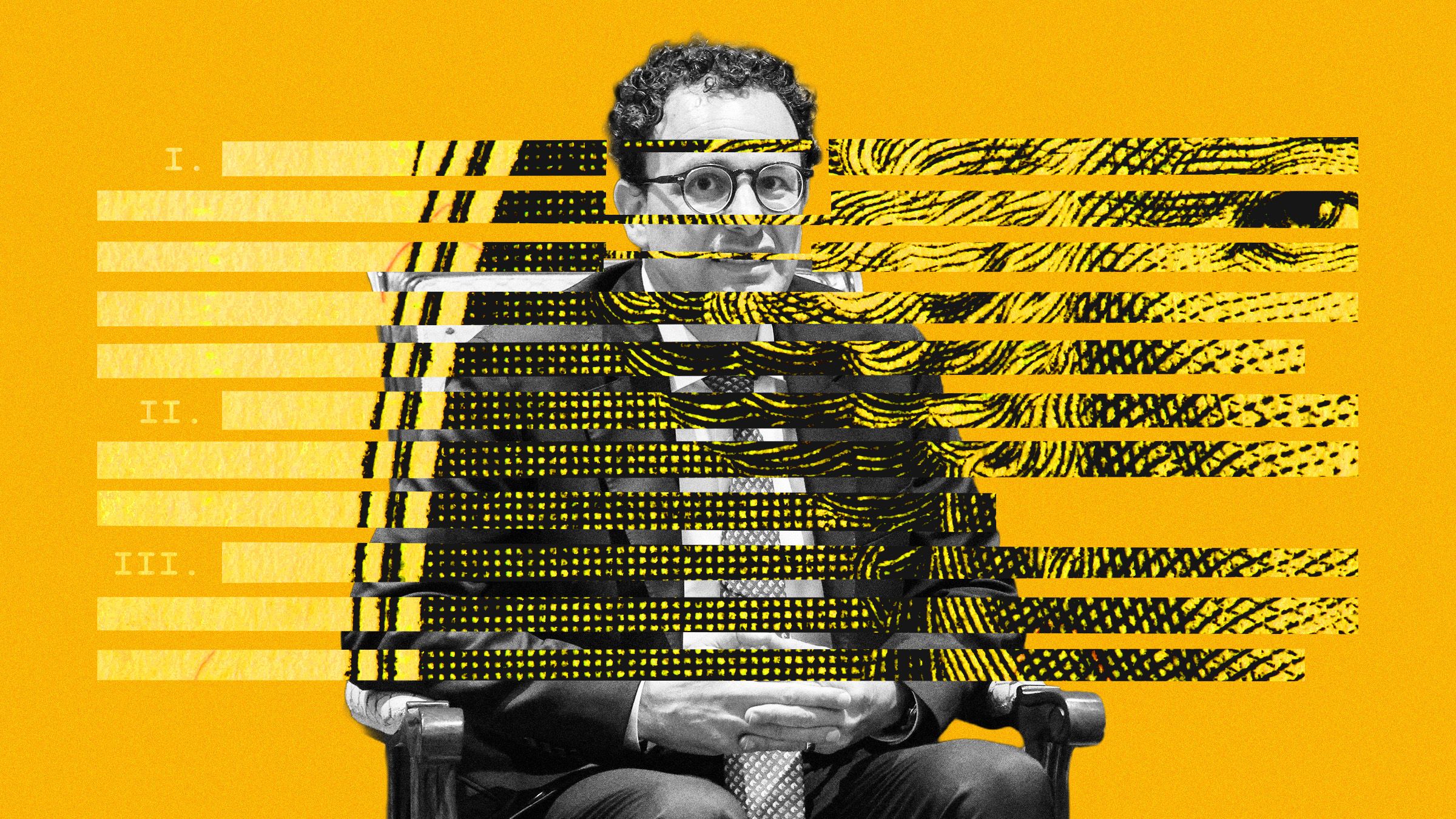
Anthropic's IPO prospectus has left out numerous key figures, raising concerns among investors. The company experienced the fastest enterprise adoption of any technology in history, with revenue growing from $0 when it launched in Q1 2023 to an undisclosed amount for the three months ending September 30, 2026. Anthropic's financials for the most recent quarter, which ended at the end of September, and lease agreements related to its compute investments are notably absent from the filing.
Michael Dambra, an accounting professor at the University at Buffalo School of Management, suggests that the third-quarter numbers were not included because September 30 was only a few weeks ago, and the closing process is still underway. However, SEC rules require Anthropic to update its filing with third-quarter financials if it goes public later than mid-November.
The prospectus also redacts confidential details from data center lease agreements, which could make it difficult for investors to analyze the company's financial obligations and cash flow. The AI industry faces significant risks related to compute expenses, and Anthropic acknowledges this in its prospectus, stating that forward investments in compute resources may initially seem "irresponsibly large."
Investors are entitled to more information about the company's compute uncertainties, such as the probability and impact of these factors. Despite the numerous redactions, analysts expect the gaps to be filled in an updated version of the prospectus. However, redactions in S-1 filings have been controversial, with some critics accusing companies of using them to avoid disclosing sensitive information.
Regardless, the AI industry remains in its early stages, and the risks associated with chip access and infrastructure are significant.
Written by urgent.news from Wired Business's reporting — not their text. Machine-written — may contain errors; check the original before relying on it.
This story
This is one outlet's version. Read the fullest account.