When women’s empowerment only empowers the already empowered
There is a growing industry around women’s empowerment in Ghana. Conferences, brunches, masterclasses, podcasts and hashtags. This is, on the surface, a positive development. More women are creating spaces for other women, and that visibility matters. But it invites a more difficult question: Who is being empowered, and how? In recent years, empowerment has, in […]
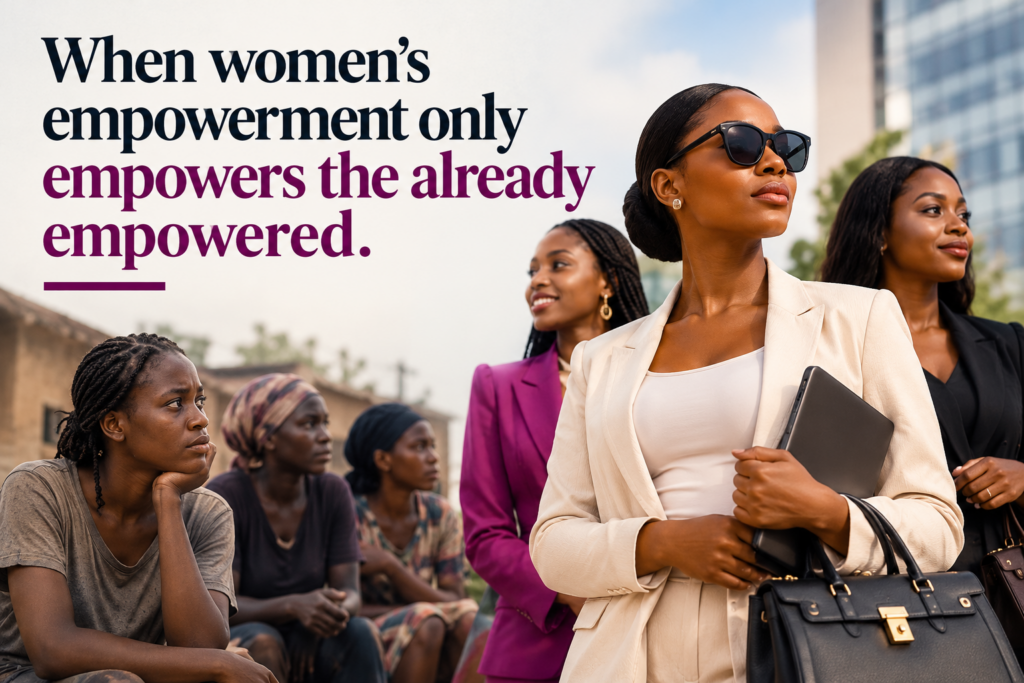
The women's empowerment scene in Ghana is thriving, with a surge of conferences, meetups, workshops, and digital content dedicated to uplifting women. This development appears positive, as it increases the visibility of women's issues and the importance of collective support. However, it also raises crucial questions about the true beneficiaries of such initiatives and the nature of the empowerment being offered.
In certain circles, empowerment has become synonymous with exclusivity, where access hinges on one's social standing, location, or network presence. For many women who do not belong to these privileged circles, the rhetoric of empowerment may ring empty, as the tangible gains remain out of reach. This trend does not reflect poorly on every women-led initiative but rather highlights a specific model that has gained traction: empowerment through performance.
A related issue is the potential for these empowerment platforms to serve as vehicles for personal advancement. Rather than focusing on genuine support, some of these spaces prioritize consolidating influence, boosting visibility, and building political capital. In these contexts, women are often treated as spectators or content generators, with the majority of benefits accruing to a select few.
This shift from genuine mentorship to superficial recognition has consequences. Mentorship and sisterhood require more than just a stage; they demand a level of accessibility and genuine connection that cannot be replicated by a camera or a comment section. When mentorship is contingent on having a platform, and sisterhood is confined to those who can offer mutual benefits, the essence of these relationships is compromised.
Moreover, the narrative surrounding women's success often inadvertently creates divisions among women. The emphasis on individual achievements can eclipse the collective progress we seek. It is possible to celebrate personal success without diminishing the starting points of others. Empowerment should be inclusive, celebrating diverse paths and ensuring that no woman feels left behind.
To truly redefine empowerment, it must move beyond the optics of visibility and focus on tangible support. This could mean opening doors without expecting acknowledgment, creating spaces for those who may never be able to reciprocate, and maintaining integrity in our interactions with women, regardless of the potential for reciprocity. The true measure of an empowerment movement should not be the number of attendees in a room but the lasting impact on those women after they leave, and the women who are inevitably left out.
Ultimately, the future of women's empowerment in Ghana must be defined by actions that transcend the camera and the stage. The question we must ask ourselves is not just who gathers for empowerment, but who benefits from it when the cameras stop rolling and the awards are distributed. It is this question that should guide the next phase of women's empowerment efforts in Ghana.
Written by urgent.news from MyJoyOnline Ghana's reporting — not their text. Machine-written — may contain errors; check the original before relying on it.