VIEWPOINT: Auto policy’s tax paradox
Pakistan’s new auto policy was meant to take effect on July 1. It is yet to be finalised. Meanwhile, the automotive industry continues pricing vehicles, opening letters of credit, and signing dealer agreements in the dark — unaware of the tax burden those cars will carry next year. The latest bottleneck arose during the International Monetary Fund’s fourth review of the Extended Fund Facility. In…
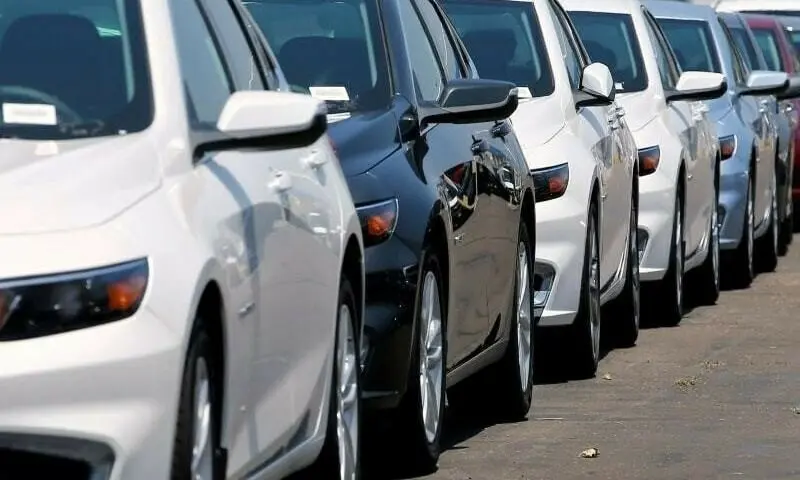
The Pakistani government's new auto policy, intended to take effect on July 1, remains unfinished, leaving the automotive industry in a state of uncertainty. The primary issue at hand revolves around the proposed 1% sales tax on new energy vehicles, with the International Monetary Fund (IMF) advocating for a standard 18% rate. While the tax rate itself is a significant factor, the policy's true purpose and long-term implications are equally, if not more, crucial.
Pakistan's petroleum imports, which accounted for $16.9 billion in FY26, are a major expense and the transition to electric vehicles is estimated to save the country $1bn annually in foreign exchange, 2bn litres of fuel, and 4.5mn tonnes of carbon emissions.
Brief written by urgent.news from Dawn's own syndicated text. Machine-written — may contain errors; check the original before relying on it.