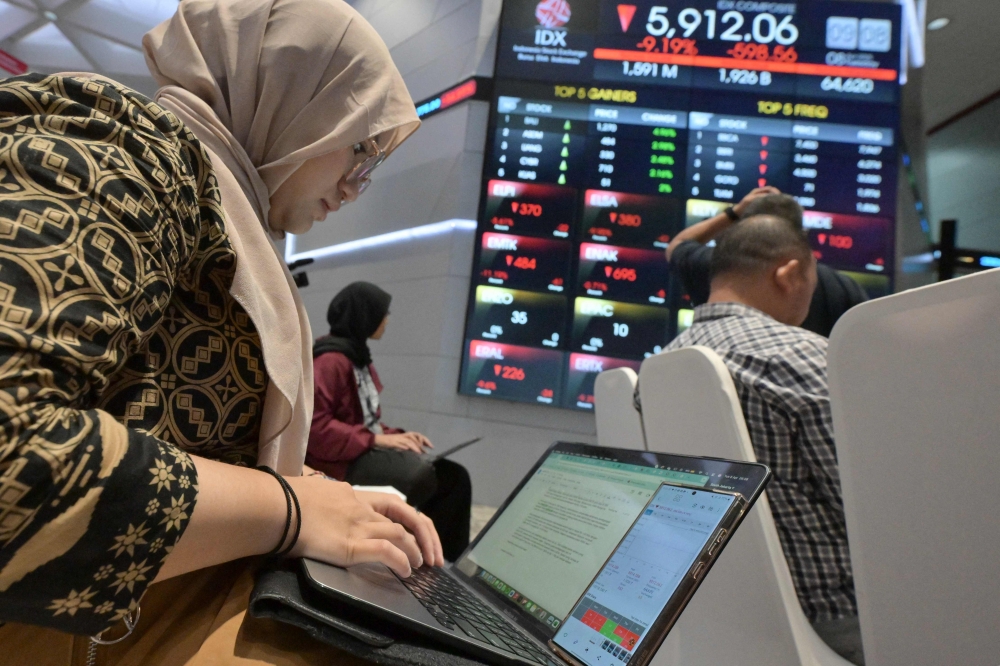
Traders are looking on the bright side despite last week’s carnage in tech stocks
Talks between Saudi Arabia and Iran are ongoing, and the credit ratings agency Moody’s left France’s credit rating unchanged from before the riots.
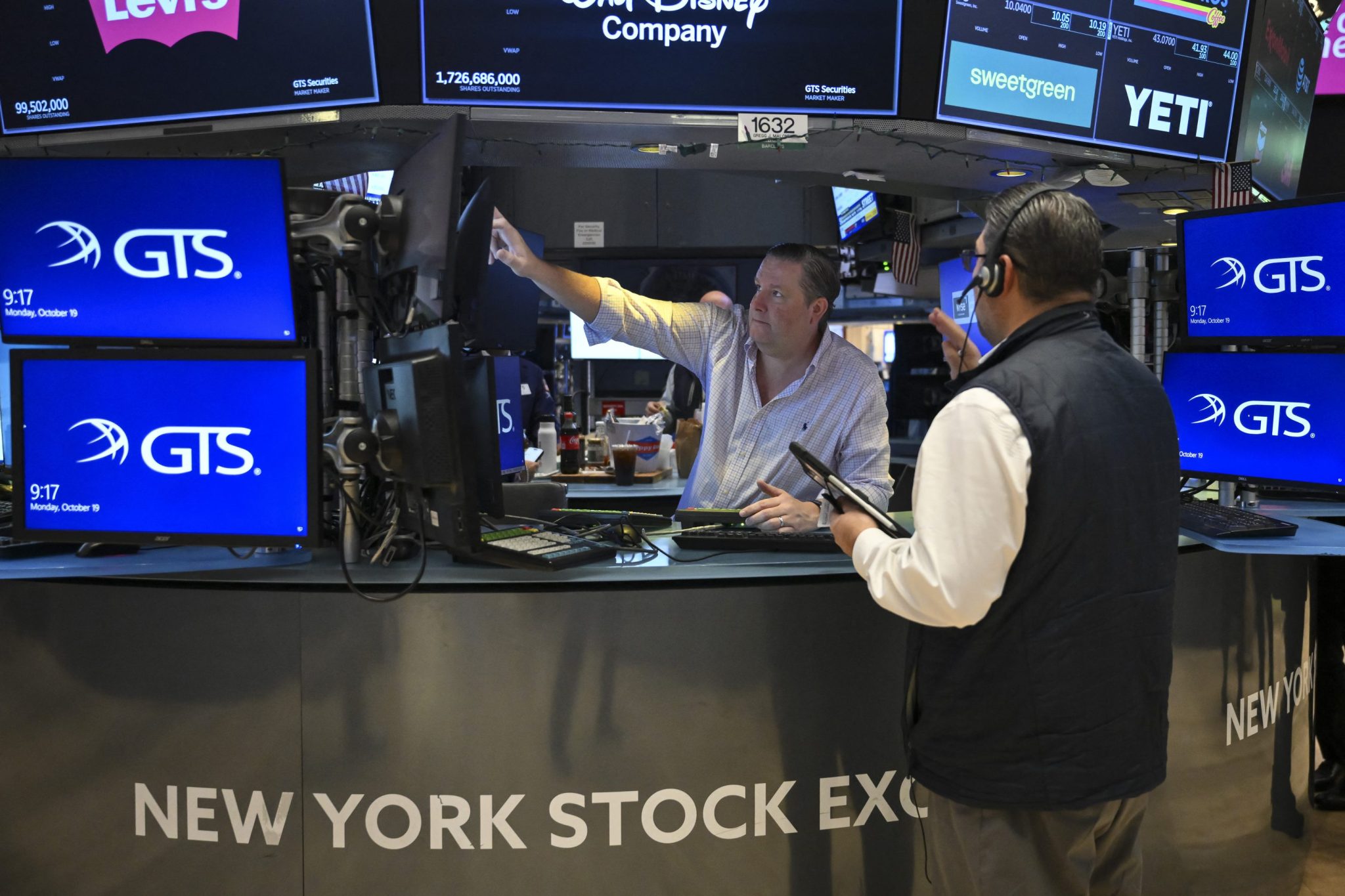
Despite the recent decline in tech stocks, traders seem to be viewing the situation positively. Talks between Saudi Arabia and Iran are underway, and Moody's has kept France's credit rating steady. The yield on France's 10-year bonds has dropped to 4.94%, while the U.S. 10-year bond is at 4.99%. U.S. futures were up early before the market opened.
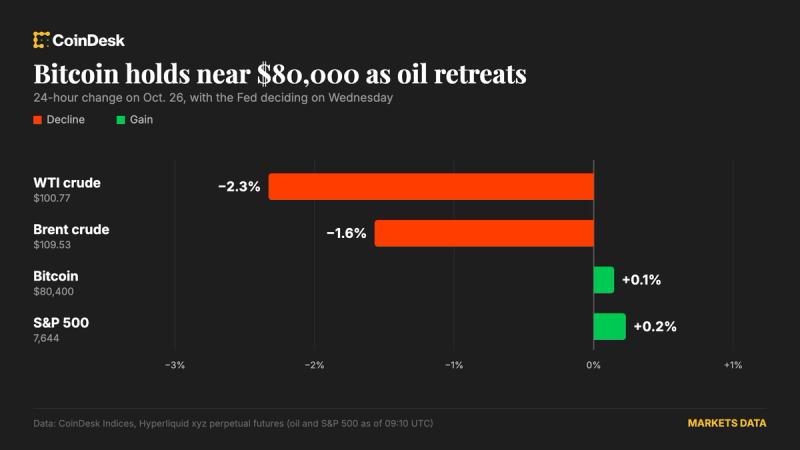
However, Asia was flat to down due to high oil prices, which are above $114 per barrel. Major tech companies like Alphabet, Microsoft, and Amazon are set to release their Q3 earnings this week, with the Federal Reserve deciding on the base interest rate on Wednesday. The S&P 500 futures rose 0.32% this morning, after falling 0.52% on Friday.
European markets showed a similar trend, with the Stoxx 600 up 0.39% and the FTSE 100 increasing by 0.5%. Asian markets were mixed, with the KOSPI down 1.46%, Nikkei 225 falling 0.8%, and Nifty 50 up 0.52%. Meanwhile, Bitcoin dropped to $80,440. Despite the negative performance of tech stocks, which dragged down the S&P 500 by 1.21% and the tech-heavy Nasdaq by 2.9%, the equal-weighted version of the S&P 500 actually rose.
Historically, 2,887 out of 7,827 trading days since 1996 have seen the S&P 500 rise with 300 or more stocks gaining. Last Thursday's performance, however, was the second-worst among those days, according to Deutsche Bank's Jim Reid. AI companies are concerned about the lack of funding, with Meta reporting negative free cash flow and raising its AI capex estimates.
Multiple companies, including Oracle, OpenAI, Alphabet, and SpaceX, are on the hunt for hundreds of billions in equity or debt, leading to fierce competition for available capital. Some industry leaders, such as Broadcom CEO Hock Tan, BlackRock CEO Larry Fink, and Nvidia CEO Jensen Huang, have warned about potential capital shortages.
The aggressive, leveraged retail traders who thrive on bad news were quick to jump on the latest decline, which was as severe as last year's "Liberation Day" sell-off. For long-term investors, exchange-traded funds (ETFs) are generally the best option, as they offer diversification and consistent annual returns of 6-10%. However, some retail investors use leveraged ETFs, which magnify both gains and losses through borrowed money, to capitalize on bad news days.
Written by urgent.news from Fortune's reporting — not their text. Machine-written — may contain errors; check the original before relying on it.