TOR briefs IMF on recovery efforts, inherited debt, sustainability plans
The Tema Oil Refinery (TOR) has briefed a delegation from the International Monetary Fund (IMF) on its operational recovery efforts, inherited debt obligations and plans to improve financial sustainability. The post TOR briefs IMF on recovery efforts, inherited debt, sustainability plans appeared first on Ghana Business News .
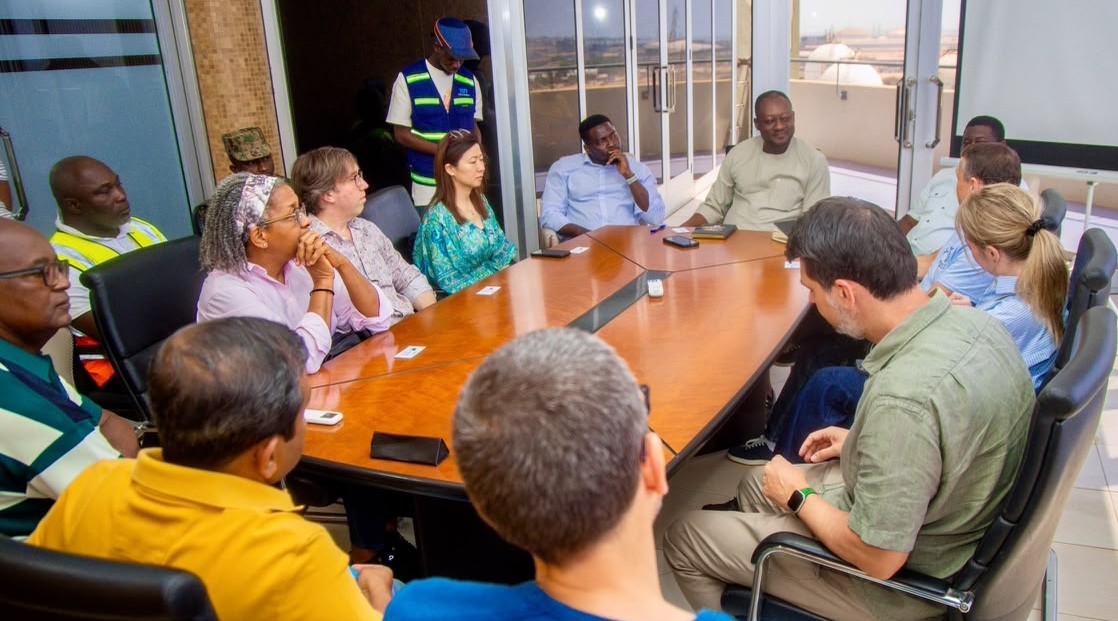
The International Monetary Fund (IMF) held discussions with staff from the Tema Oil Refinery (TOR) to learn about the refinery's efforts to recover from operational setbacks, address inherited financial obligations and outline strategies for enhancing long-term sustainability. Led by IMF Ghana Resident Representative Dr Adrian Alter, the delegation visited the facility to gain firsthand insight into the rehabilitation work under way and management's initiatives to bolster the refinery's financial footing.
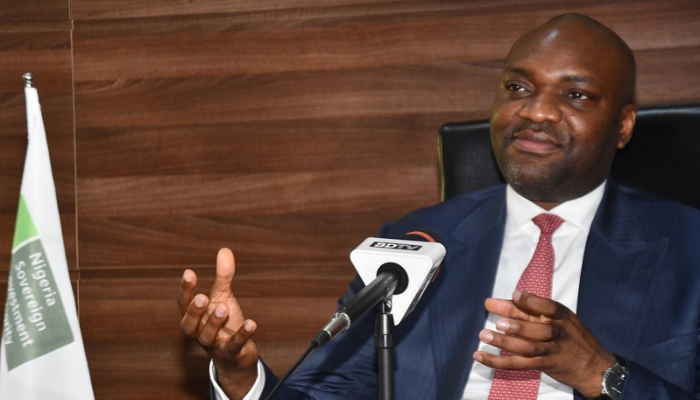
TOR's Managing Director, Edmond Kombat, informed the IMF that the present leadership, which assumed responsibility in May 2025, had relied exclusively on internally generated revenues to maintain operations and restore critical infrastructure. "Since this new management took over, we have not received a dime from the government.
Every single thing is done through our internally generated funds," Kombat stated proudly. He highlighted that the refinery had amassed a debt of around $517 million, including approximately $120 million owed to the government. TOR is presently engaging the government to explore debt restructuring options and resolve historical financial disputes between the entity and the state.
The refinery's financial report for the preceding year showed a profit, and management expressed confidence that profitability could be sustained in the current and future periods. Kombat also discussed TOR's objective of potentially listing on the Ghana Stock Exchange to attract investment and augment capital resources to support recovery and growth.
The refinery processed an estimated five million barrels of crude oil, with about two million barrels originating from Ghanaian oil fields and the remainder sourced externally. The first domestic crude supply was procured from the Jubilee field via a transaction with Vitol, which was fully settled, and Kombat acknowledged the contribution of the Ghana National Petroleum Corporation (GNPC) for its share of Ghana's crude allocation.
Kombat expressed optimism that GNPC would deliver its full allocation of crude for TOR to refine in the forthcoming year, thereby bolstering feedstock availability and contributing to more consistent refinery operations.
Kombat emphasized that domestic refining could enhance petroleum product availability and diminish Ghana's susceptibility to international oil market disruptions, particularly during periods of geopolitical instability. He underscored the commercial potential of TOR's storage facilities and distribution network, noting the refinery's capacity to store approximately one million metric tonnes of petroleum products.
TOR is linked to eight private depots, enabling it to pump petroleum products directly to these terminals, thereby generating supplementary revenue streams. Additional commercial activities encompass laboratory services for testing petroleum products.
The IMF consultations also explored TOR's commitment to corporate governance, financial accountability, and the resolution of a six-year backlog of unaudited accounts. The Ghana Audit Service has conducted the current audit, and the refinery management plans to engage an external audit firm during the upcoming Annual General Meeting to handle subsequent audits.
KPMG has previously performed audit assignments for the company. Kombat stressed that the refinery was actively working to refine financial reporting and internal controls, implement staff-related reforms, and secure a consistent supply of crude oil. The IMF delegation toured various parts of the refinery to witness the progress of ongoing rehabilitation and engineering projects.
This visit was part of the IMF's broader engagement with government authorities and select state-owned enterprises to assess their operations, financial status, challenges and contributions to Ghana's economy.
Written by urgent.news from Ghana Business News's reporting — not their text. Machine-written — may contain errors; check the original before relying on it.