The Progress Of The Country Can’t Be At Gunpoint
Arunachal Pradesh, traditionally one of the more peaceful states in the Northeast, is witnessing disturbing law and order problems. The Centre’s decision to rush several companies of paramilitary forces to contain the violence indicates the gravity of the situation. What has triggered the unrest is the proposed Siang Upper Multipurpose Project (SUMP), an 11,200 MW mega-dam on the Siang River. The…
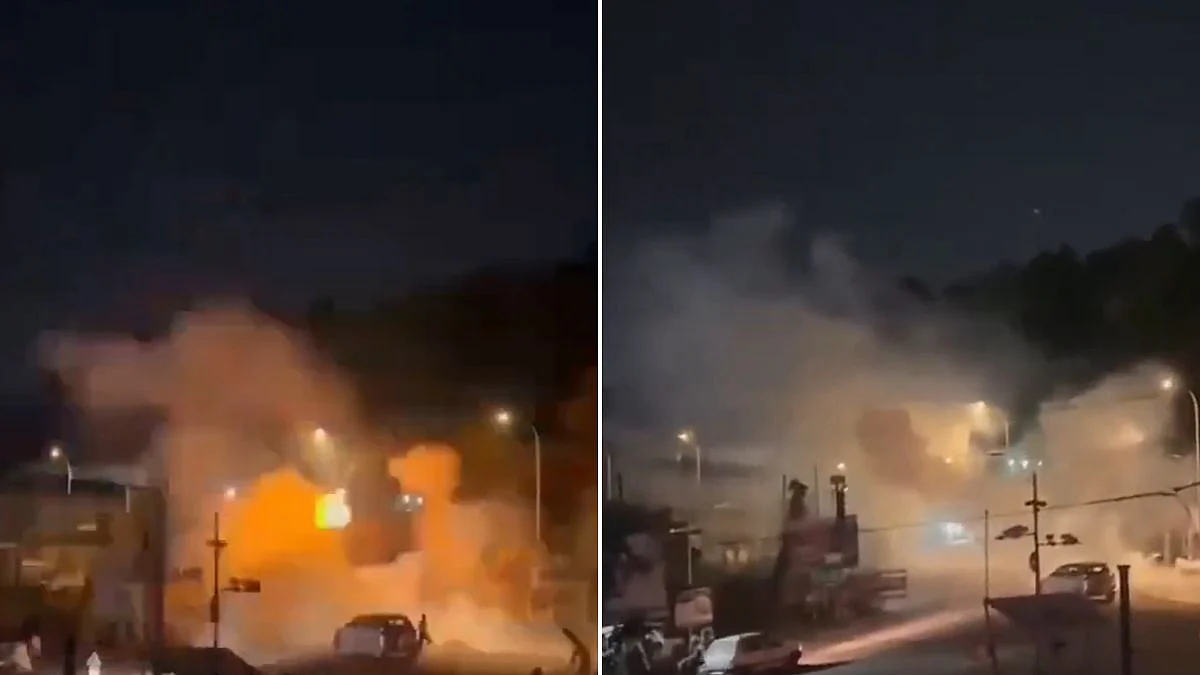
Arunachal Pradesh, usually a peaceful region in the Northeast, is currently experiencing law and order issues. The central government has sent paramilitary forces to quell the unrest, signaling the seriousness of the situation. The trigger for the unrest is the proposed Siang Upper Multipurpose Project (SUMP), a massive hydroelectric dam on the Siang River.
The project's opponents, mainly the indigenous population, are worried that the dam will flood their ancestral lands, agricultural lands, and horticulture areas, potentially displacing up to 150,000 people. The Siang River is crucial to their way of life, providing water for agriculture, cattle grazing, and daily needs. They are also concerned about the safety of building such a large structure in a seismically active Himalayan region.
While the government views the project as a strategic response to China's upstream hydropower development, local communities claim that preliminary surveys are being conducted without sufficient consultation or consent. Protests against the survey activities in East Siang district turned violent from October 23 to 25, with arson being one of the acts of protest.
It's clear that while peaceful protest is justified, resorting to violence cannot be tolerated. However, restoring order should not come at the expense of addressing the legitimate grievances of the affected communities.
The government must engage in credible dialogue with the locals, share the findings of preliminary studies, and find solutions to their concerns about displacement, seismic risks, environmental damage, and rehabilitation. This is crucial before the project proceeds further. The conflict in Arunachal Pradesh is not unique, as similar struggles are happening in other parts of India.
In Madhya Pradesh, tribal families have protested against displacement and environmental damage from the Ken-Betwa river interlinking scheme, and in Odisha, communities have opposed bauxite mining, alleging that their consent was not obtained as required by law.
The recurring pattern is concerning: projects that are hailed as symbols of national progress often disproportionately burden poor and tribal communities, with compensation and rehabilitation failing to compensate for the losses. When peaceful appeals are ignored, resentment grows, and when protests occur, the response is often force rather than dialogue.
The central government has claimed that Naxalism has been contained. Even if the security situation improves, the grievances that fueled extremism cannot be ignored. Land alienation, deprivation, and the lack of a meaningful voice in decisions affecting livelihoods require political and administrative solutions. True development should not merely generate wealth but also ensure human dignity, environmental sustainability, and the rights of indigenous people.
A dam may generate electricity, but it should not drown the voices of those who bear its cost. In essence, development cannot be imposed at gunpoint.
Written by urgent.news from Free Press Journal's reporting — not their text. Machine-written — may contain errors; check the original before relying on it.