The Diesel Diversion: Trump’s Faulty Attempt to Blame Inflation on Ukraine
Why Trump's efforts to pin high gas prices on Ukraine are politically convenient but economically backward.
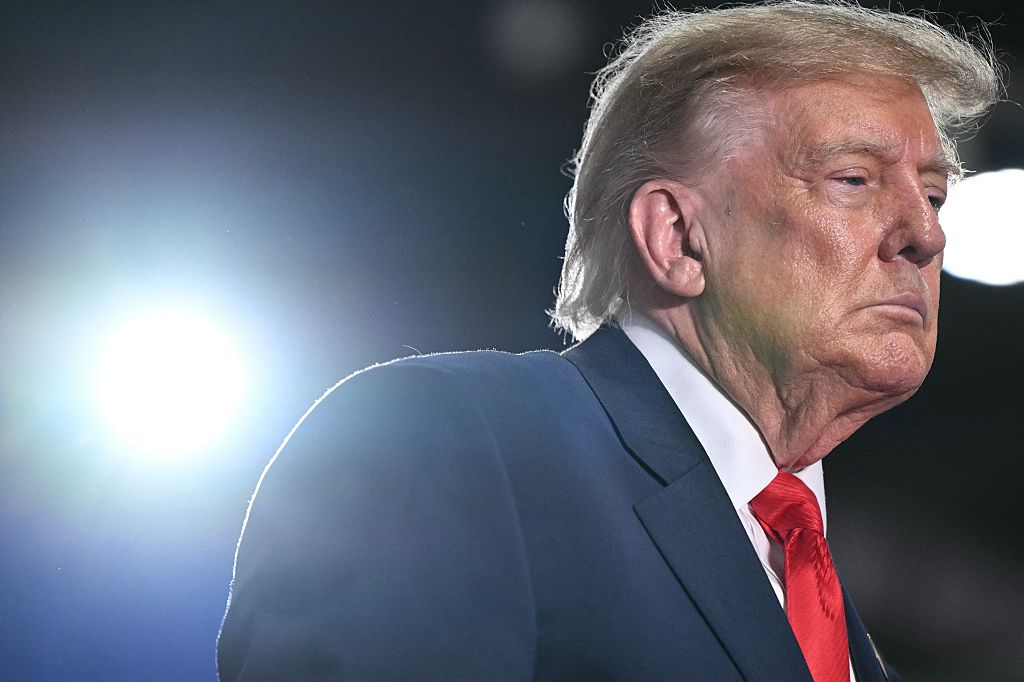
President Donald Trump made a campaign stop in Syracuse, New York on October 9, 2026. According to the source, a single tanker carrying Russian diesel to the United States since 2022 is set to arrive in New York within the next few weeks, but its 40,000-ton shipment translates to less than two hours of U.S. consumption. The arrival of this tanker will barely impact gas prices at the pump.
The real reason behind the diesel price surge to over $6 a gallon is not a shortage of Russian supply, but rather, ongoing disruptions from the Middle East war. From May to July of this year, Ukraine conducted some of the most devastating attacks of its energy war against Russia, targeting refineries across major Russian cities, including Kirishi, Ryazan, Moscow, Nizhny Novgorod, and Omsk.
If Russian refining capacity were the key driver of American fuel costs, we would have seen prices skyrocket. However, American diesel prices actually dropped by $1.06 a gallon during this period. As the midterm elections approach and September's consumer price index reveals fuel oil prices up by a staggering 74% year-on-year, President Trump has blamed Ukraine for the country's inflation woes.
In an Oval Office address on September 30, Trump named Ukrainian President Volodymyr Zelenskyy as the culprit, accusing him of intentionally causing problems for American farmers and ranchers through diesel fuel issues. Despite the politically convenient nature of this charge, it is economically backward. Prior to this month's waiver, Russian fuel had been prohibited from American ports since 2022, meaning that Ukrainian strikes have only impacted U.S. pumps through the gradual tightening of global supply.
The real shockwave originates from the Strait of Hormuz, where Iran can quickly block a fifth of the world's seaborne crude. When Iran closed the Strait, diesel prices in the U.S. jumped by 96 cents in a single week in January. Following Iran's closure, the U.S. price line has moved in tandem with the Iran war, peaking at $6.53 in September.
The U.S. tanker deal allows for 4.8 million tons of Russian diesel fuel over the next several years. However, analysts doubt that Moscow can ship even this amount given the ongoing Ukrainian strikes on refineries. Carnegie's Sergey Vakulenko calls this arrangement "largely for show," yet it provides the Kremlin with the appearance of compliance.
This deal has been followed by the U.S. waiving both 100 and 500% tariffs on Russia, removing the clause that locks in existing sanctions. The administration also announced an "energy ceasefire," though Moscow has not acknowledged it. Despite this apparent concession, Russian forces continued their attacks on Ukrainian energy infrastructure, striking the country 76 times in the week following the announcement.
The White House claims that Starshield datalinks, critical for intercepting Russian drones, went dark during this period, but the 160 km/h speed cap proved insufficient to protect Ukrainian civilians from ballistic missiles.
Written by urgent.news from Time's reporting — not their text. Machine-written — may contain errors; check the original before relying on it.