The Big Bang transformed the City of London – 40 years on, can it happen again?
The City of London was changed forever by a sweeping package of deregulation in 1986, known as the Big Bang. Forty years on – and facing existential threats – can the Square Mile reinvent itself again? When Alasdair Haynes left work as a young options trader on Friday 24th October 1986, he didn’t know what [...]
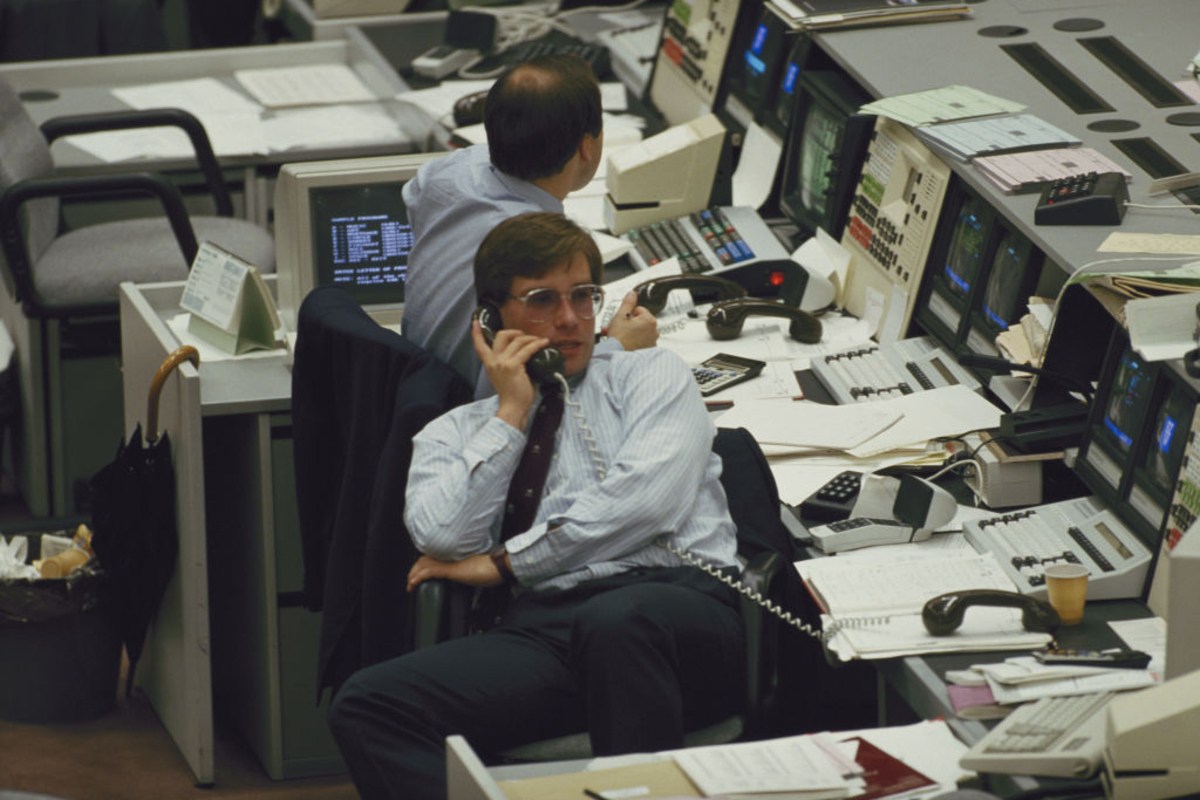
In 1986, the City of London underwent a dramatic transformation known as the Big Bang, a sweeping package of deregulation that altered the financial landscape forever. Forty years later, the Square Mile finds itself facing new existential threats and questioning whether another Big Bang is necessary to reignite its growth.
The Big Bang was a seismic shift in the financial markets, causing a drastic change in the way trading was conducted. Before the deregulation, brokers and jobbers operated under separate rules, with strict commissions and limited international participation. However, the Big Bang abolished these rules, allowing transaction fees to be negotiated freely and opening the doors for international firms to enter the market.
As a result, the once clubby and cozy atmosphere of the London Stock Exchange transformed, echoing Alasdair Haynes' experience as a young options trader.
The changes brought about by the Big Bang had immediate and far-reaching consequences. Unemployment in the financial sector dropped as firms consolidated, leading to a rise in jobs. By 1990, the City's workforce had grown to 1.18 million, up from around 1 million in early 1986. The deregulation drive, spearheaded by Thatcher and Chancellor Nigel Lawson, propelled London back to the forefront of global finance and triggered an explosion of activity in the Square Mile.
While the Big Bang of 1986 was a pivotal moment, it was not the only factor contributing to the City's rise. The internationalization of London's markets had been underway for years, aided by the rise of the Eurodollar market and the abolition of exchange controls in 1979. These changes laid the groundwork for the dramatic shift that occurred on that fateful Monday in October 1986.
Despite the success of the Big Bang, politicians have repeatedly called for another wave of deregulation, dubbed Big Bang 2.0. Prominent figures such as Jeremy Hunt, Rishi Sunak, Liz Truss, and Kwasi Kwarteng have all promised to revitalize London's financial sector through slackened solvency buffers for insurance firms and an overhaul of listing rules.
However, financial historian Duncan Weldon cautions that the success of such reforms remains uncertain. While the rhetoric surrounding Big Bang 2.0 is appealing, Weldon argues that the complex interplay of factors, including a retreat of domestic capital, must be taken into account.
As the City of London grapples with the challenges of foreign takeovers and a dearth of initial public offerings, the task of reinventing itself remains daunting. While past deregulation efforts have proven fruitful, the path forward is far from certain, and the question of whether another Big Bang is necessary remains open for debate.
Written by urgent.news from City AM's reporting — not their text. Machine-written — may contain errors; check the original before relying on it.