Starlink episode points to tightropes in changing political economy
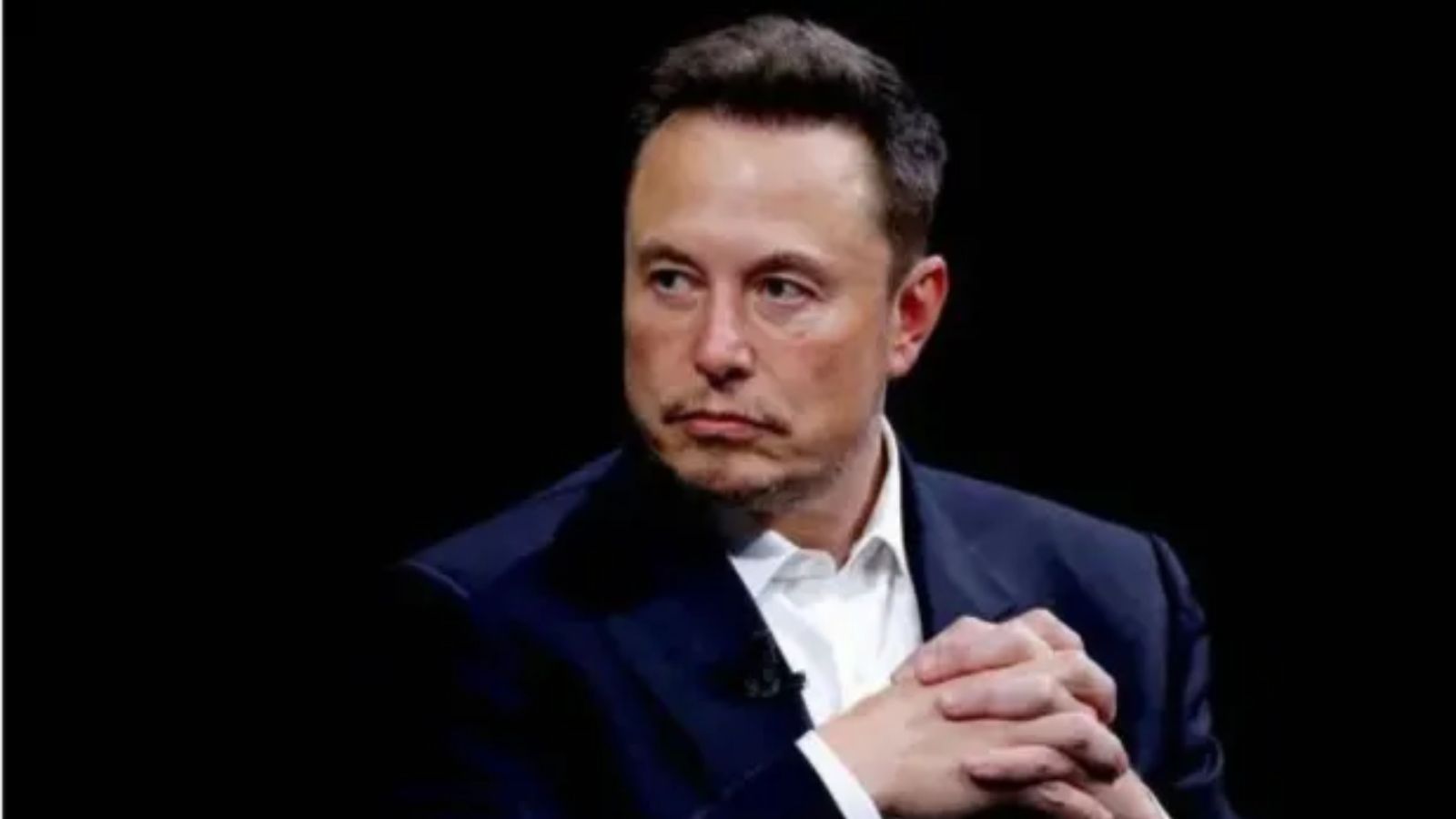
The recent Starlink episode highlights the complex relationship between politics and economics in a changing global landscape. Elon Musk, one of the world's richest men, has accused Reliance Industries, another Indian titan, of engaging in oligarchic behavior by blocking Starlink's entry into the Indian market. While the validity of Musk's accusation is yet to be determined, the incident raises broader questions about the nature of Indian capitalism and its relationship with the state.
India's economic journey has been shaped by a unique blend of state involvement and private enterprise. The infamous licence-permit raj, once justified by the scarcity of capital and the need to direct investments towards national priorities, inadvertently created opportunities for rent-seeking. This system rewarded political connections and regulatory knowledge just as much as innovative capabilities.
Although the reforms of 1991 reshaped the economic landscape, the intricate link between economic power and political authority has persisted.
Despite extensive liberalization, India still faces formidable barriers to entry, particularly in sectors where the government retains control over scarce resources. The telecommunications spectrum, for instance, remains a prime example. This suggests that markets can liberalize but still maintain substantial entry barriers. America's history provides an intriguing contrast.
The 19th-century industrial giants, such as John Davison Rockefeller, Andrew Carnegie, and Cornelius Vanderbilt, often amassed monopolies and wielded political influence. Nonetheless, American capitalism required antitrust legislation to curb such destructive concentration of economic power.
Musk's success story exemplifies the American tradition of technological disruption and resistance to monopolies. Tesla challenged the established automobile industry, while SpaceX transformed space launches and created a new satellite communications business. However, Tesla's journey also benefited from public policies and investments in electric vehicles.
This contrasts with SpaceX's reliance on public procurement and publicly funded research. In essence, the American experience demonstrates that state intervention can foster innovation and competition, albeit often in partnership with private enterprises.
The Starlink outburst underscores the differences between India and America in this context. Satellite broadband, a technologically demanding field, demands significant fixed costs, economies of scale, and potential benefits for remote areas. It is in this domain that India's regulatory responsibilities come into play. Satellite operators, regardless of their identity, must comply with security, data integrity, and spectrum assignment requirements.
The episode raises critical questions about the design and operation of entry barriers. While some barriers are necessary to protect public interests, others may be created or preserved due to incumbent firms' benefits. Additionally, administrative inertia or risk aversion can contribute to the persistence of entry barriers. In India, bureaucrats often cite potential vigilance charges as a reason for preserving the status quo.
These factors can hinder competition and warrant a closer examination of the conditions under which potential competitors are permitted to enter the market.
Ultimately, the Starlink episode exposes the need for strong institutions capable of sustaining competition, particularly in high-stakes industries where political influence is concentrated. As the broader India-US economic relationship navigates through difficult negotiations, the Starlink incident serves as a timely reminder of the intricate balance between politics and economics in shaping the global landscape.
Written by urgent.news from The Indian Express's reporting — not their text. Machine-written — may contain errors; check the original before relying on it.