Spatial Proteomics for Precision Oncology
In this GEN webinar, Bernd Bodenmiller, PhD (University of Zürich), illustrates this integrated approach through two recent examples. The post Spatial Proteomics for Precision Oncology appeared first on GEN - Genetic Engineering and Biotechnology News .
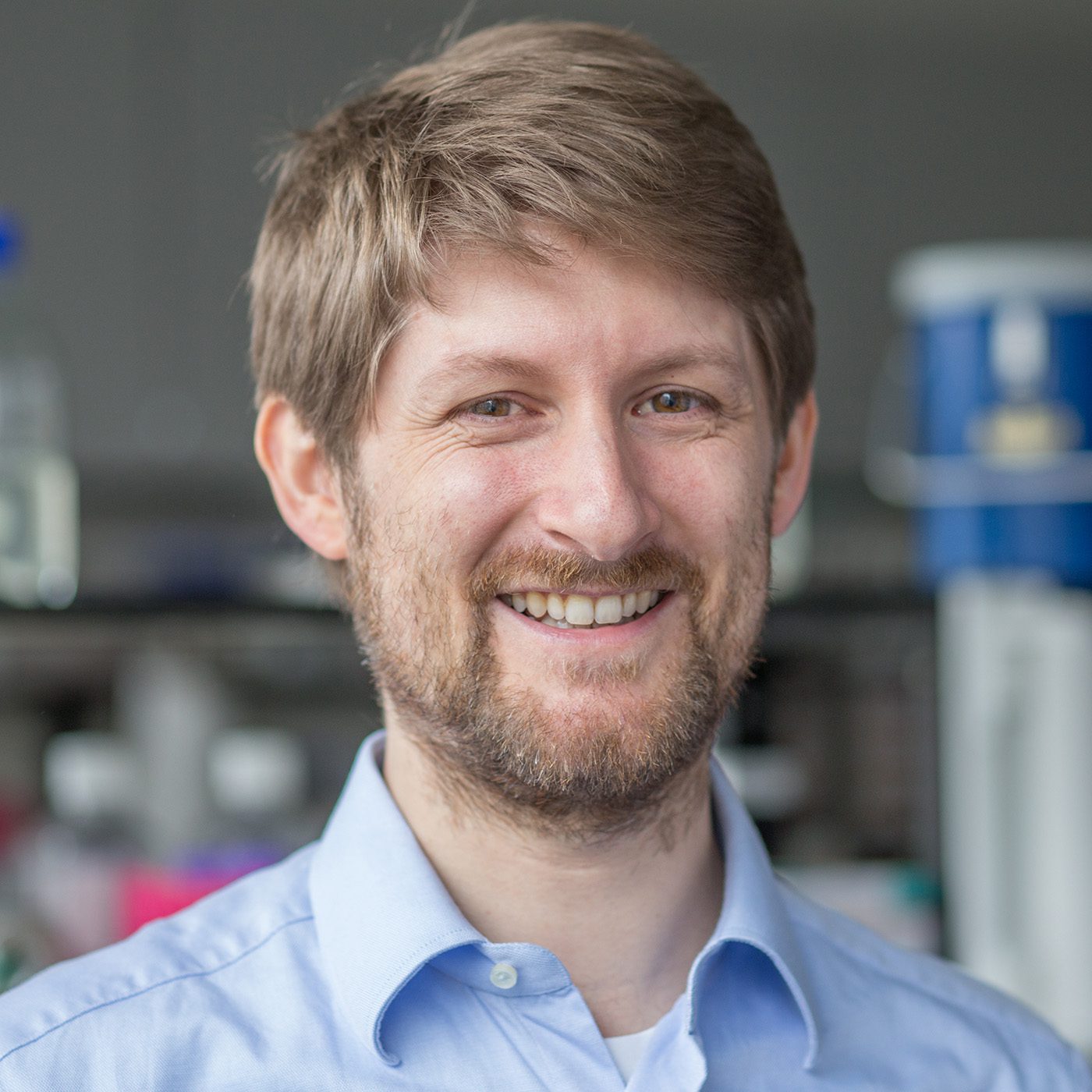
In the realm of precision oncology, spatial proteomics is emerging as a crucial tool for unraveling the intricacies of tumor ecosystems. Joining panelist Bernd Bodenmiller, PhD, Associate Professor at the Department of Quantitative Biomedicine at the University of Zürich, let us delve into the methods and implications of this innovative approach.
Through the application of highly multiplexed Imaging Mass Cytometry (IMC) alongside multiomic profiling and artificial intelligence (AI), researchers can gain a more comprehensive understanding of the tumor microenvironment. This enables the identification of clinically relevant features, thereby facilitating patient stratification and the development of targeted therapies.
In a study involving 323 epithelial ovarian cancers, Bodenmiller's lab found that tumors characterized by a more diverse cell phenotype and spatial organization displayed a faster recurrence rate. Furthermore, they identified a therapy-resistant tumor cell phenotype (TUBB3+/pRB+) associated with recurrence and a poor response to standard treatment.
Employing spatial transcriptomics and ex vivo drug screening of 3D sphere models and patient samples, they discovered that these cells resist standard-of-care agents but are sensitive to specific inhibitors.
In another study focusing on 498 clear cell renal cell carcinomas, Bodenmiller and his team utilized AI to uncover three distinct survival ecotypes. These ecotypes outperform basic clinical data and molecular stratification models in predicting patient survival. Each ecotype possesses unique genomic and metabolic features and demonstrates predictive power regarding treatment outcomes.
Notably, deep learning algorithms can predict these ecotypes directly from routine H&E slides, and the findings have been validated across five cohorts containing over 2,500 patients.
By integrating spatial single-cell proteomics via IMC with multiomic approaches and AI, this innovative methodology sheds light on therapy-resistant cell populations and prognostic tumor ecosystems. This comprehensive framework not only enhances patient stratification but also guides the design of targeted therapies in precision oncology. A live Q&A session will follow the presentation, providing attendees with an opportunity to engage with the expert panelists.
Written by urgent.news from GEN Biotechnology's reporting — not their text. Machine-written — may contain errors; check the original before relying on it.