South Korean CEO’s 4-year jail term over plant fire that killed 23 spurs anger
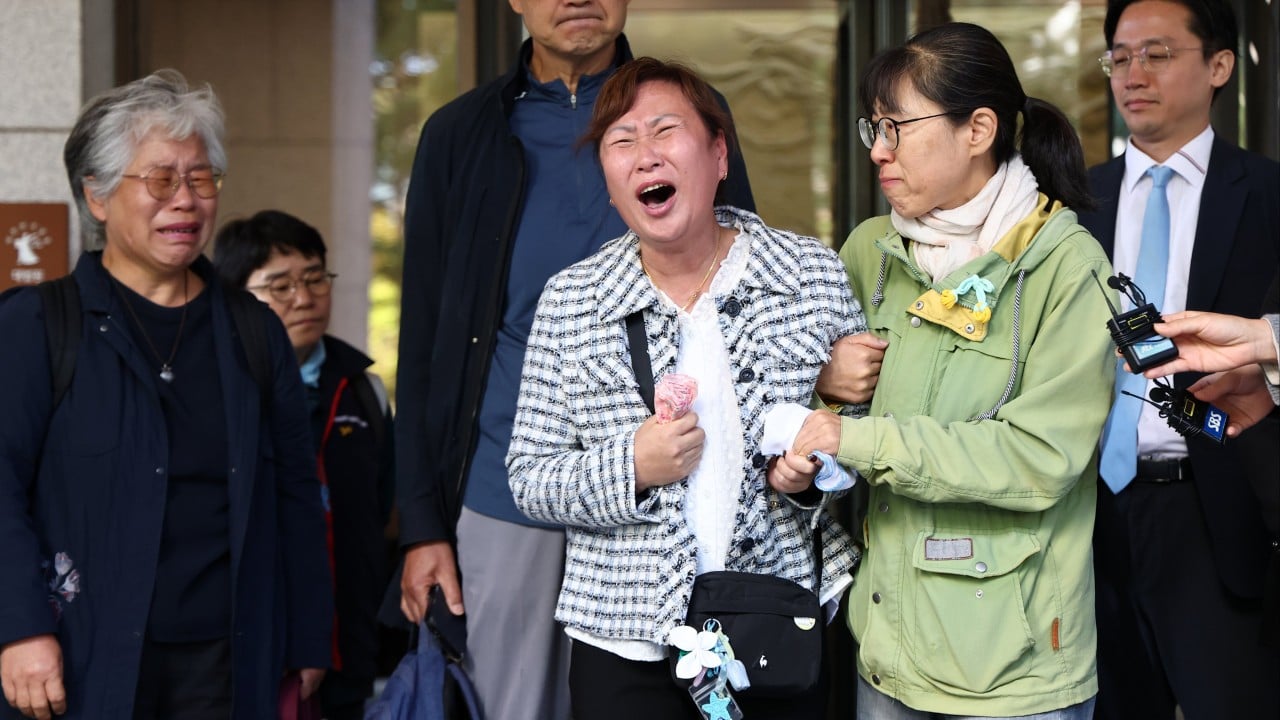
“How can South Korea’s law be this weak? Twenty-three people died!” Those were the words of Chinese mother Li Shun-ji after South Korea’s Supreme Court upheld a reduced four-year prison sentence for Aricell CEO Park Soon-kwan last Tuesday over a 2024 factory fire that killed 23 workers, including Li’s then-24-year-old daughter, Yan Jing-jing. The blaze at the lithium battery manufacturer’s…
The South Korean Supreme Court has upheld a reduced four-year prison sentence for Aricell CEO Park Soon-kwan following a 2024 factory fire that killed 23 workers. The blaze at Aricell's factory in Hwaseong, Gyeonggi province, claimed the lives of 17 Chinese nationals, one Laotian national, and five South Koreans, while injuring nine others.
The disaster occurred due to a chain reaction of 35,000 lithium batteries exploding, with defective products and rushed operations to meet military supply deadlines contributing to the tragedy.
Park and his son, the factory's managing director, faced harsh sentences of 15 years in prison each under South Korea's Serious Accidents Punishment Act (SAPA). Introduced in 2022, the law aims to strengthen corporate accountability for fatal workplace accidents. The appeal court reduced the sentences to four years for Park and seven years for his son, citing safety regulations that do not require exits on every floor and were applied on a building-by-building basis. The court also considered Aricell's settlements with bereaved families.
Li Shun-ji, the Chinese mother of one of the victims, expressed her anger at the court's decision. She questioned the fairness of the ruling, asking if it was because the victims were foreigners. She had arrived in South Korea in 2002 and opened a Chinese restaurant before joining an insurance company after the pandemic forced its closure. Despite facing online abuse and discrimination, Li has decided to stay in South Korea for her 17-year-old daughter, who speaks only Korean after arriving as a toddler.
The case has drawn criticism from victims' relatives and labor activists, who argue that the judicial system is too lenient towards corporations. They believe the ruling reflects a lack of accountability for companies responsible for such disasters. The incident has also prompted calls for better government workplace inspections and an end to discrimination against foreign workers in the South Korean workforce.
Written by urgent.news from South China Morning Post's reporting — not their text. Machine-written — may contain errors; check the original before relying on it.