Sky Is No Longer The Limit; It’s The Start Of The Race For Digital Control
Elon Musk says Starlink “would help the least served in India, especially in rural areas”. He is probably right. Even the most remote village or town could get the same connection as an office in a metro city. But the debate in Delhi over spectrum, price and security misses the larger shift his satellites represent. The sky just above us is being divided between two powers, and every country will…
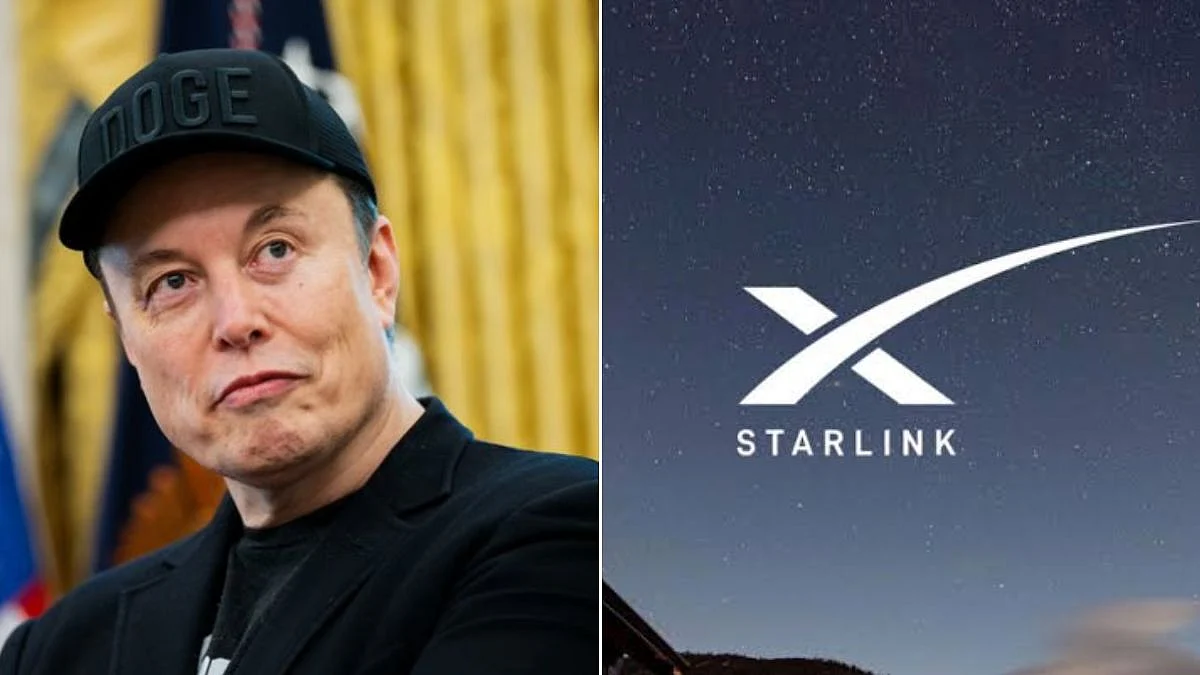
Elon Musk's Starlink project aims to provide internet access to even the most remote areas, including rural India. However, the ongoing debate in Delhi over spectrum, price, and security fails to address the larger shift that Starlink represents. The sky is being divided between two powers - the United States and China - and every country will soon be asked to choose a side. India has experienced such choices before, and should resist the temptation to pick a side and instead lead the way.
The rapid deployment of Starlink satellites by SpaceX, along with rival networks from China and Amazon, will soon make most of the world's satellite internet available from a handful of American and Chinese networks. This raises concerns about the Kessler syndrome, where a single collision in space can cause a chain reaction of further collisions, making it increasingly difficult to accommodate more satellites.
International rules favor the first claimers of orbital heights and frequencies, rewarding speed as the operator that deploys on schedule retains its claim. Dependence on a single network can be detrimental, as seen in Ukraine's experience with Starlink during Russia's invasion. No Indian government should want its security to rely on decisions made by a private company in another country.
India has the unique position of being the largest market Starlink has yet to enter, a space power in its own right, and a voice that the Global South listens to. India should not only secure a good tariff but also demand greater access and fairness in the low earth orbit. Three steps can be taken: constellation portability, a Bogotá for low orbit, and a shared sky for the neighborhood.
This approach would ensure that no partner is left without options and that India becomes a country that writes fair rules for everyone's connectivity, rather than just another customer of someone else's sky.
Written by urgent.news from Free Press Journal's reporting — not their text. Machine-written — may contain errors; check the original before relying on it.