Singapore urges suppliers to ‘honor commitments’, as Indonesia slashes gas exports to the country by 9%
On Oct. 23, Indonesia decided to slash pipeline gas exports to Singapore by 9%, blaming domestic shortages.
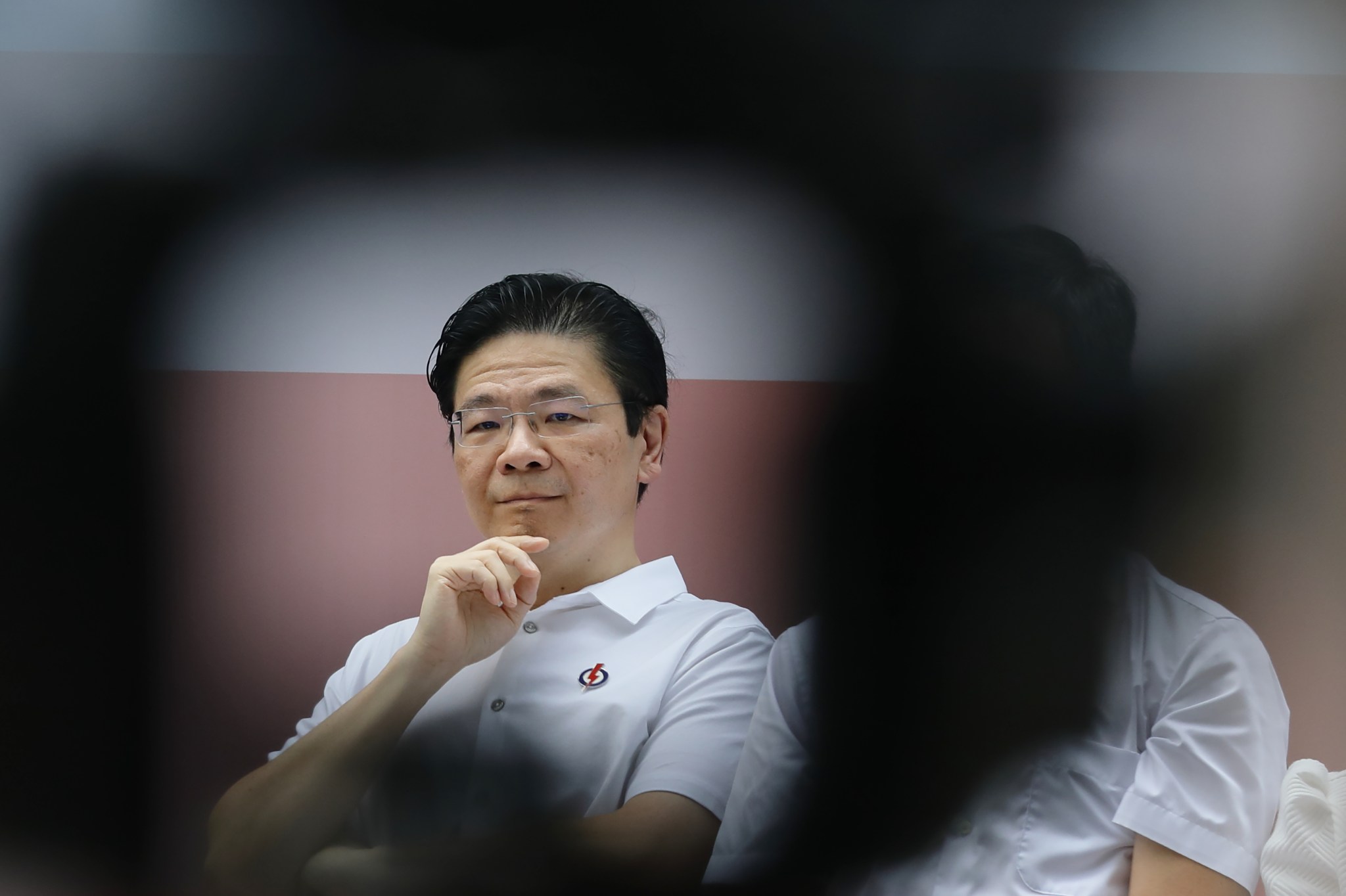
Natural gas has become a point of diplomatic tension in the Strait of Malacca, exacerbating the already strained relationship between Indonesia and Singapore. On October 23, Indonesia reduced pipeline gas exports to Singapore by 9%, citing domestic shortages. In response, Singapore's Prime Minister Lawrence Wong emphasized on Sunday that "gas supplies are covered by commercial contracts, and we expect all parties to honor their commitments."
Wong stated that Singapore's gas importer will take necessary measures to protect its rights and interests.
Indonesia's decision to cut exports coincides with widespread domestic discontent in the country, including student protests in cities like Jakarta, Bandung, and Yogyakarta over high living costs, corruption, and forest fires causing a toxic haze. Additionally, Indonesia is grappling with a domestic fuel crisis, with motorists in Bali facing long petrol queues.
This prompted officials to discuss the possibility of cutting energy exports, with Indonesia's coordinating minister for downstreaming and energy transition, Bahlil Lahadalia, suggesting that the country might prioritize meeting domestic needs over supplying neighboring nations.
Indonesia's actions may also be influenced by foreign criticism. The haze from Indonesia has affected both Singapore and Malaysia, leading Singapore to plan to prosecute companies deemed responsible for the forest fires. Moreover, MSCI has threatened to downgrade Indonesia to 'standalone' status, which could result in billions of dollars of passive investment being pulled out of the country.
Some Indonesian commentators have even proposed conspiracy theories linking the downgrade threat to Singapore's state-owned investment institutions, Temasek and GIC. Singapore has firmly denied these allegations, with a Temasek spokesperson stating that the claims are "patently untrue."
Despite the reduction in gas exports, Singapore remains confident in meeting its energy needs. The country's energy minister, Tan See Leng, noted that the reduction represents less than 2% of the power sector gas demand per day and that replacement gases from other sources, such as liquefied natural gas (LNG), are available. Singapore recently announced plans to store Saudi Arabian crude oil in rock caverns on Jurong Island to enhance its energy security.
The country's total daily gas demand is currently over 1,000 billion British thermal units (BBTUD), with natural gas accounting for 95% of that demand. In 2022, 40% of Singapore's natural gas supply was sourced from pipelines connected to Indonesia and Malaysia, while the remaining 60% came from global markets.
Singapore is also strengthening its energy ties with Malaysia. On October 26, the Energy Market Authority of Singapore and the Energy Commission of Malaysia signed a Memorandum of Understanding (MoU) to enhance bilateral cooperation in the energy sector. Siti Safinah Salleh, CEO of Suruhanjaya Tenaga (Malaysia's energy commission), stated that close collaboration between regulators is crucial for a secure, reliable electricity supply, facilitating cross-border electricity trade, and enabling a sustainable energy transition.
However, Singapore is also looking towards a future of increased energy self-sufficiency, exploring the potential of nuclear energy, which Wong, Singapore's prime minister, emphasized as a necessary step to ensure reliable electricity around the clock.
Written by urgent.news from Fortune's reporting — not their text. Machine-written — may contain errors; check the original before relying on it.