Singapore to explore new tech to weather global ‘resource nationalism,' minister...
To navigate these headwinds, the city-state is strengthening the diversity of its energy sources, and taking steps to ensure it has the infrastructure required to support them, he said at the opening of the Singapore International Energy Week conference at Marina Bay Sands.
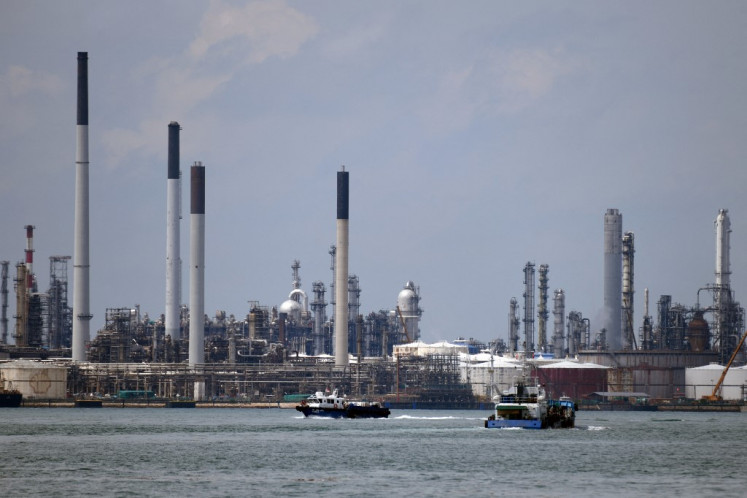
Singapore is preparing to navigate the global energy landscape, characterized by supply shortages and increasing resource nationalism, said Energy Minister Tan See Leng on Monday. The city-state is diversifying its energy sources and strengthening infrastructure to support them, according to Tan's address at the opening of the Singapore International Energy Week conference at Marina Bay Sands.
In the short term, Singapore seeks to enhance energy security through new fossil fuel partnerships, while concurrently advancing low-carbon options like solar energy to meet future energy demands in an environmentally friendly manner, as reported by The Straits Times. Beyond fossil fuels, Singapore is also investigating nascent energy avenues such as nuclear and geothermal power that are not yet commercially feasible.
Tan emphasized the importance of system resilience, energy-driven competitiveness, low-carbon pathways, and strengthened partnerships with allies, all while maintaining cost-effectiveness. The minister's remarks follow Indonesia's recent reduction of natural gas exports to Singapore, accounting for less than 2 percent of the Republic's daily gas demand, as clarified by the Energy Market Authority (EMA).
As a nation heavily reliant on natural gas for about 95 percent of its energy needs, Singapore is increasingly concerned about the trend of resource nationalism and its potential to undermine contractual agreements. Such actions heighten business risks and discourage investments in the energy sector, posing long-term negative impacts for energy importers like Singapore.
Tan also highlighted the impact of the Strait of Hormuz's closure on global energy flows, which occurred four years after the 2022 energy crisis. The recent attacks on Saudi Arabia could exacerbate the situation. Singapore's gas imports have evolved from solely piped deliveries from neighboring countries to a mix of about 50 percent liquefied natural gas (LNG) sourced globally, including the US and Australia, according to Tan.
One of Singapore's primary gas suppliers, Indonesia, provides approximately 145.3 billion cubic feet annually, according to data from the US Energy Information Administration. Energy Minister Bahlil Lahadalia is contemplating curbing gas exports to prioritize domestic consumption, while warning that Indonesia would retaliate against countries that fail to respect its interests.
President Prabowo Subianto recently criticized countries that insult Indonesia over the haze crisis, without naming specific nations. Indonesia has been grappling with extensive fires resulting from deforestation, which have burned over 1.9 million hectares in the past nine months, as reported by Nusantara Atlas.
Written by urgent.news from The Jakarta Post's reporting — not their text. Machine-written — may contain errors; check the original before relying on it.