Redefining Mayong: How tourism is reshaping Assam’s ‘land of black magic’
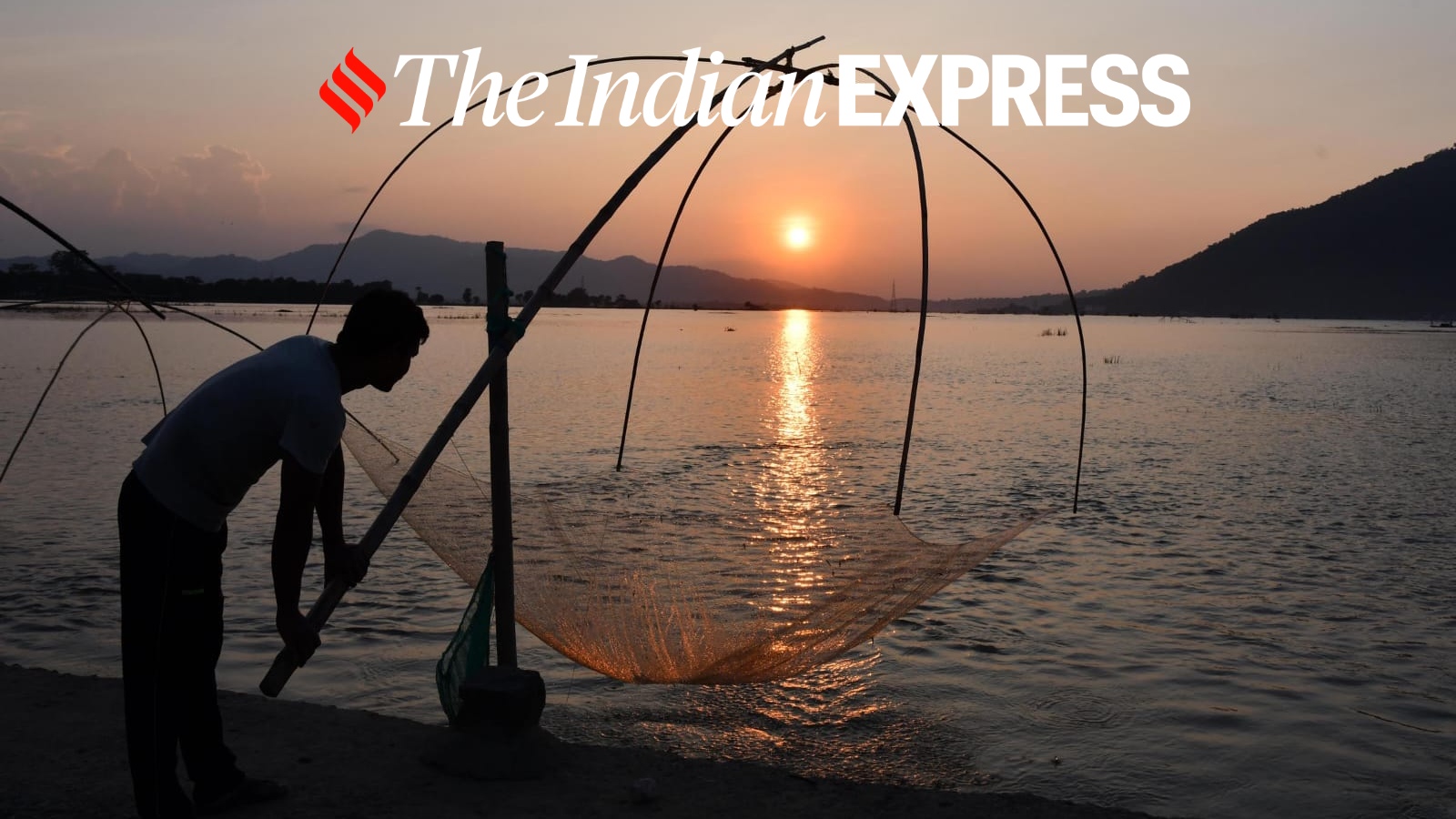
Mayong, a village in Assam, has long been associated with tantra, mantra, and black magic, attracting those curious about the mysterious and occult. However, Mayong encompasses more than just its mystique. Nestled along the Brahmaputra, it boasts ancient shrines, archaeological finds, traditional knowledge, and a growing interest in wildlife. As visitors flock to Pobitora Wildlife Sanctuary, located nearby, Mayong is striving to redefine its identity while preserving its cultural heritage.
Historically, Mayong can be traced back to the seventh and eighth centuries, with its connection to tantra-mantra and black magic. Researchers have discovered evidence such as the Kachashila Buddhist-tantric inscription, yantras like the Surya chakra and Padma chakra, yonipith, Shivalinga, Shiva-Parvati, and Uma-linga idols, as well as various Ganesha idols dating from the eighth and ninth centuries.
Ganesha was revered as the god of knowledge, while tantra, mantra, and yoga were pursued as forms of knowledge. While Mayong is not explicitly mentioned in the Kalika Purana and Yogini Tantra, the region's description of a triangular landform associated with tantra-mantra suggests its significance in these practices.
The geography of Mayong may have contributed to its isolation, with rivers and dense forests inhabited by elephants and tigers making it difficult for outsiders to access. Ahom chronicles largely focused on the empire, leaving much of Mayong's history preserved through oral traditions. An estimated 40-50% of the village's stories remain in people's memories rather than in written records, offering a glimpse into the community's cultural past.
Today, Mayong's identity is evolving due to the growth of tourism. The number of safari jeeps associated with wildlife tourism has increased from 20 last year to 35 this year as visitors find it difficult to secure tickets. This shift is complementing the growing interest in cultural and archaeological tourism. Nath, a researcher, estimates that between 500 and 1,000 foreign scholars, travelers, and tourists have visited Mayong for its spiritual and cultural heritage, many without formal registration.
Wildlife tourists typically arrive during the colder months, while archaeology, pilgrimage, and cultural heritage enthusiasts visit throughout the year.
Promoting Mayong as an excursion alongside Pobitora has been a strategy to capitalize on this overlap. Assam Tourism aims to develop a Mayong-Pobitora circuit that combines wildlife safaris with the village's heritage, Assamese cuisine, rural life, and river experiences. This approach seeks to give visitors a reason to stay for two or three days, benefiting residents as guides, hosts, artisans, and suppliers.
Mayong already attracts diverse visitors, including families seeking a countryside break, wildlife enthusiasts, and travelers interested in local history and folklore. Its proximity to Guwahati makes it an ideal destination for short trips, but its convenience also allows for quick returns to the city if desired.
Written by urgent.news from The Indian Express - Lifestyle's reporting — not their text. Machine-written — may contain errors; check the original before relying on it.