QpiAI founder Nagendra Nagaraja makes the case for intelligence modelling
Silicon chips and digital language models face diminishing returns. Speaking at TechSparks 2026, Nagendra Nagaraja explained how quantum systems process the infinite data of nature to transform global compute, energy, and discovery.
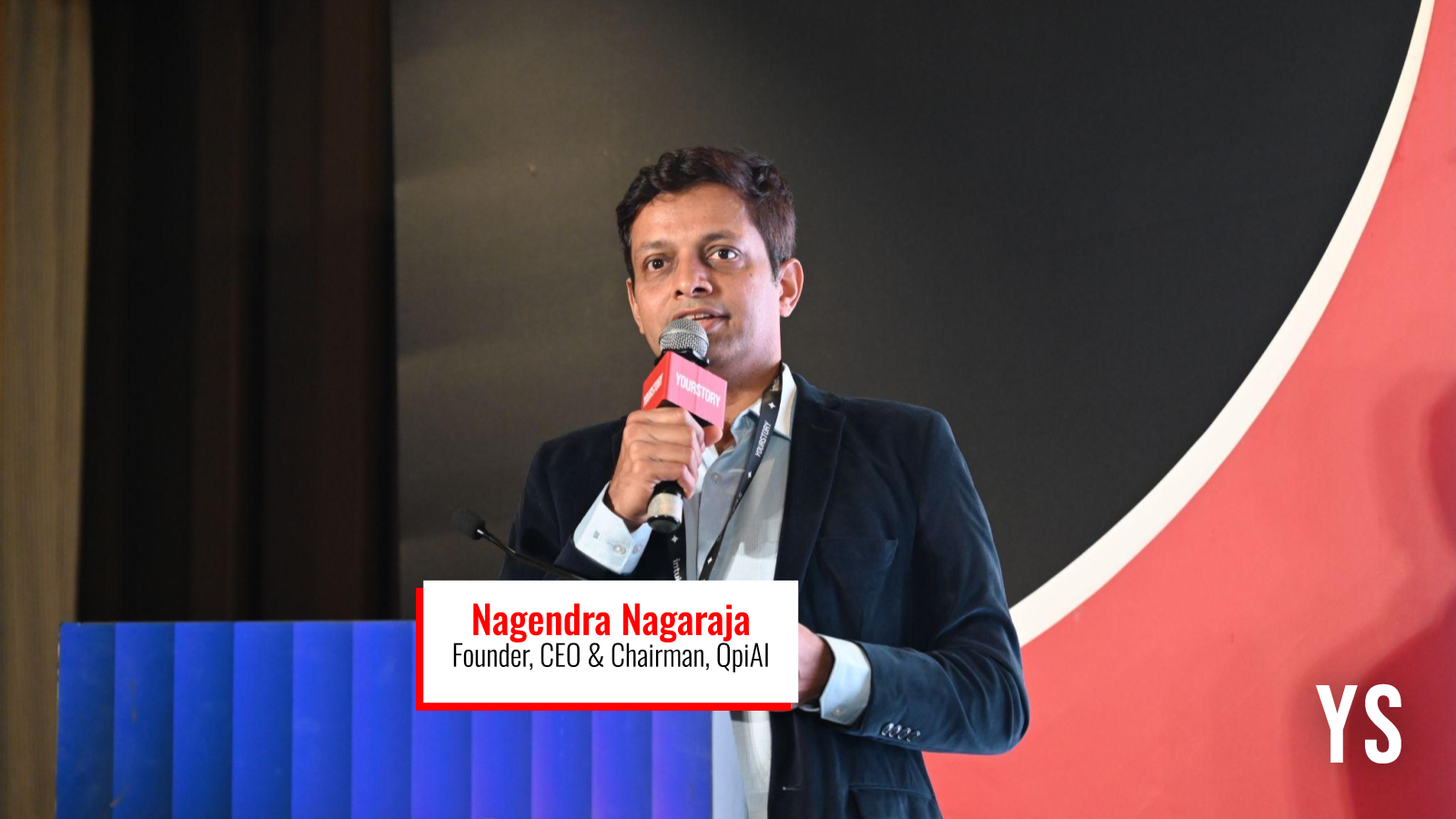
Nagendra Nagaraja, founder and CEO of QpiAI, contends that artificial intelligence is often misinterpreted. Instead of merely automating tasks with human knowledge, true intelligence involves expanding human understanding by learning new things unknown to others. The current artificial intelligence boom depends on traditional microprocessors utilizing binary bits, but these face limitations as chip performance scales.
Thermal resistance in chips and escalating power demands from data centers pose significant challenges. Large language models trained on human text are reaching a saturation point, despite demanding massive investments. Nagaraja believes a crucial limitation of present AI is its dependence on digitized human text, which constitutes only a small portion of the universe's data.
In stark contrast, most data in the universe is present in unquantized, quantum states that classical GPUs cannot handle. A significant portion of the universe's data, encoded in electrons, molecules, DNA, and crystalline materials, remains unprocessed by classical supercomputers that take an incomprehensible amount of time to perform mathematical calculations.
To address this, quantum computing utilizes quantum bits (qubits) that process high-dimensional, NP-hard mathematical problems exponentially faster. Nagaraja asserts that humanity has only scratched the surface of knowledge, knowing only 10^10 molecules while needing to understand 10^50 molecules. To achieve this in a decade, he argues, quantum computing is essential.
By leveraging quantum systems with thousands of logical qubits, QpiAI aims to model complex chemical reactions, such as those involved in plant absorption and fertiliser processing, potentially revolutionizing agricultural practices. Hybrid quantum-classical models are already improving financial fraud detection with lower energy consumption.
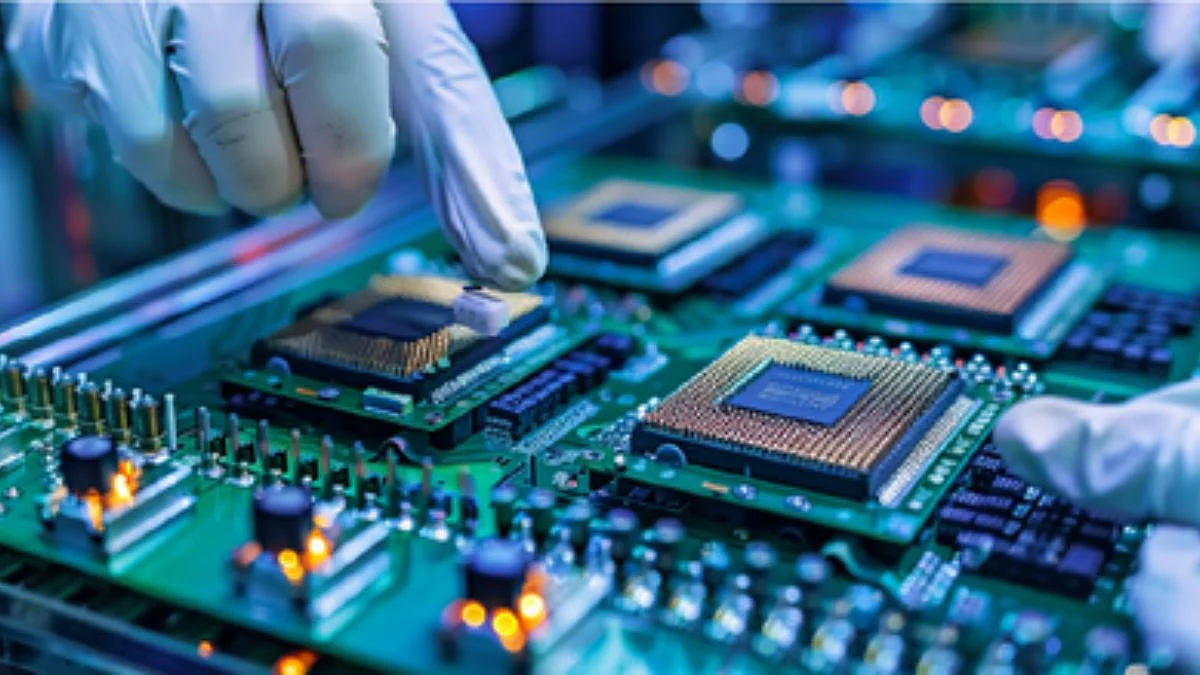
QpiAI operates Asia's largest quantum fabrication facility in Bengaluru, producing advanced 25-qubit and 64-qubit chips with rapid error correction speeds. The company is constructing a massive quantum data center with 100 quantum computers and developing 1,000-qubit chips. Nagaraja emphasizes that India is emerging as a significant player in quantum technology, boasting more than 50 qubit manufacturing capabilities.
Ultimately, he argues that humanity must become a proficient student of nature to harness its vast data and advance beyond the limitations of current AI systems.
Written by urgent.news from YourStory's reporting — not their text. Machine-written — may contain errors; check the original before relying on it.