Pakistan's auto policy needs predictable taxes, not just low ones
https://www.dawn.com/news/2039907
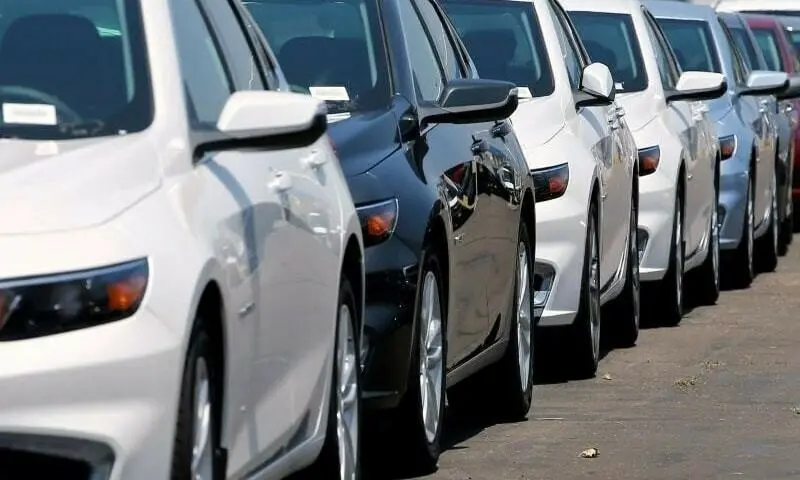
Pakistan's new auto policy intended to start July 1 remains unfinished. Car manufacturers, opening letters of credit and signing dealer agreements, operate without knowledge of the tax burden on vehicles next year. This situation emerged from the International Monetary Fund's (IMF) fourth review of the Extended Fund Facility in late September.
The Ministry of Industries and Production presented its draft Auto Policy 2026-31, but talks ended without consensus. The main dispute is the proposed 1% sales tax on new electric vehicles. The IMF desires an 18% standard rate. This single disagreement equates to a Rs100,000 difference in tax for a Rs10 million car. While tax rates matter, the overall structure is also vital.
In fiscal year 2026, Pakistan spent $16.9 billion on petroleum imports, a significant proportion of which powers its roads. The government aims for 30% of new vehicle sales to be electric by 2030. This transition is estimated to save about $1 billion annually in foreign exchange, 2 billion litres of fuel, and 4.5 million tonnes of carbon emissions.
Low tax rates matter, but defining the policy is equally important. Both sides are partially correct. The IMF has observed Pakistan repeatedly applying narrow tax rates through special rates and Statutory Regulatory Orders (SROs). The ministry, in turn, is correct that electric vehicles are costlier upfront, charging infrastructure is limited, and buyers are wary of battery life and resale value.
Without an expiration date, the standard tax rate could undermine the 30% EV target. However, the draft policy has its own weaknesses. Customs duties on conventional cars are set to decrease, but these savings may be offset by reduced Federal Excise Duty and floor prices on imported vehicles. Tax rates change frequently, causing confusion for investors.
A better structure should focus on five key pillars: first, establish an 18% tax as the ultimate goal and create a roadmap to achieve it. Second, target the relief to those who need it most, such as compact cars, taxis, and rickshaws. Third, establish a clear tech ladder, with higher duties on conventional petrol cars, lower on hybrids and plug-in hybrids, and the lowest on fully electric vehicles.
Fourth, adhere to the National Tariff Policy honestly by lowering duties on fully built imports, eliminating additional duties by 2030, and maintaining a moderate, transparent gap between duties on built-up imports and local assembly kits. Lastly, reward localisation through component tariffs, not sales tax exemptions. The government has a limited window to finalize the policy.
The right approach involves agreeing on the end-state with the IMF, publishing a binding schedule, targeting support where it benefits the most people and goods, classifying tax tiers by technology, and leaving the rules stable enough for investors to build factories around them. Every day of delay results in lost foreign exchange, increased pollution, and a delayed target.
Written by urgent.news from Dawn Business's reporting — not their text. Machine-written — may contain errors; check the original before relying on it.