Organized crime is growing along highway in a pristine section of the Amazon: Study
Criminal organizations linked to illegal logging, illegal gold mining, land grabbing and cattle ranching now dominate large sections of land around the BR-319 highway in one of the Brazilian Amazon’s largest stretches of forest, according to a new study. The finding comes as Brazil is moving forward with further improvements to the controversial highway. The […]
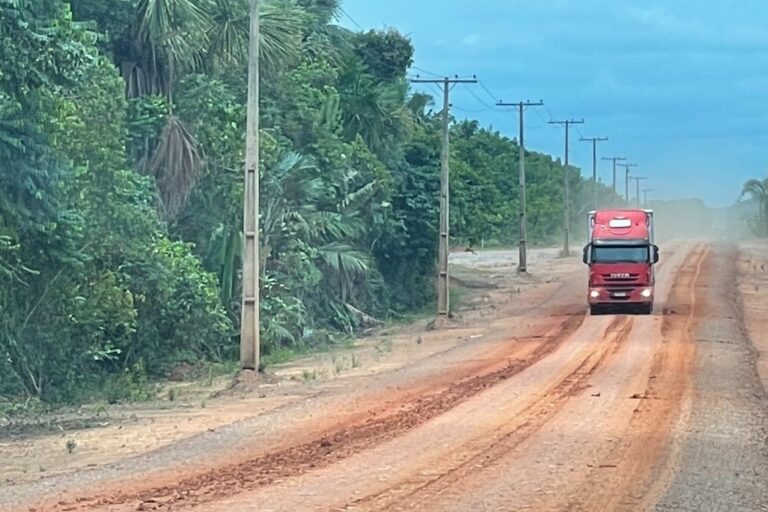
A new study reveals that organized crime, linked to illegal logging, gold mining, land grabbing, and cattle ranching, now dominates large portions of forest along the BR-319 highway in a pristine section of the Brazilian Amazon. This disturbing trend comes as Brazil plans further improvements to the contentious highway. The study, conducted by researchers at São Paulo University (USP), highlights a sharp rise in deforestation following 2015 when Dilma Rousseff authorized the first maintenance work on the highway after a 1998 abandonment.
President Jair Bolsonaro subsequently vowed to pave the road, triggering heightened land speculation and conversion of vast forest areas into cattle pastures.
Lead author Lucas Ferrante, a researcher from USP, attributes the area's vulnerability to organized crime to the absence of government surveillance. He points out that drug trafficking and environmental crimes frequently intersect along the same routes and financial channels. Additionally, cattle ranching is often employed as a means to launder money derived from criminal activities.
Ferrante, affiliated with the Center for Research on Biodiversity and Climate Change (CBioClima), told Mongabay that "this region is developing into a hub of large farms controlled by organized crime."
The BR-319 highway, constructed during Brazil's military dictatorship in the 1970s, has long been neglected and is currently in a state of disrepair. The highway's 339-kilometer (211-mile) middle section becomes largely impassable during the rainy season, though many travelers still attempt to navigate it. In April, President Luiz Inácio Lula da Silva signaled his commitment to addressing the issue by moving to...
Written by urgent.news from Mongabay's reporting — not their text. Machine-written — may contain errors; check the original before relying on it.