Nvidia reveals its mega DSX POD modular 'AI factory' — so could the latest Vera Rubin hardware actually help make data centers more energy efficient?
Nvidia's DSX POD combines Vera Rubin hardware with factory-built containers, promising faster AI data center deployment and reduced installation work.
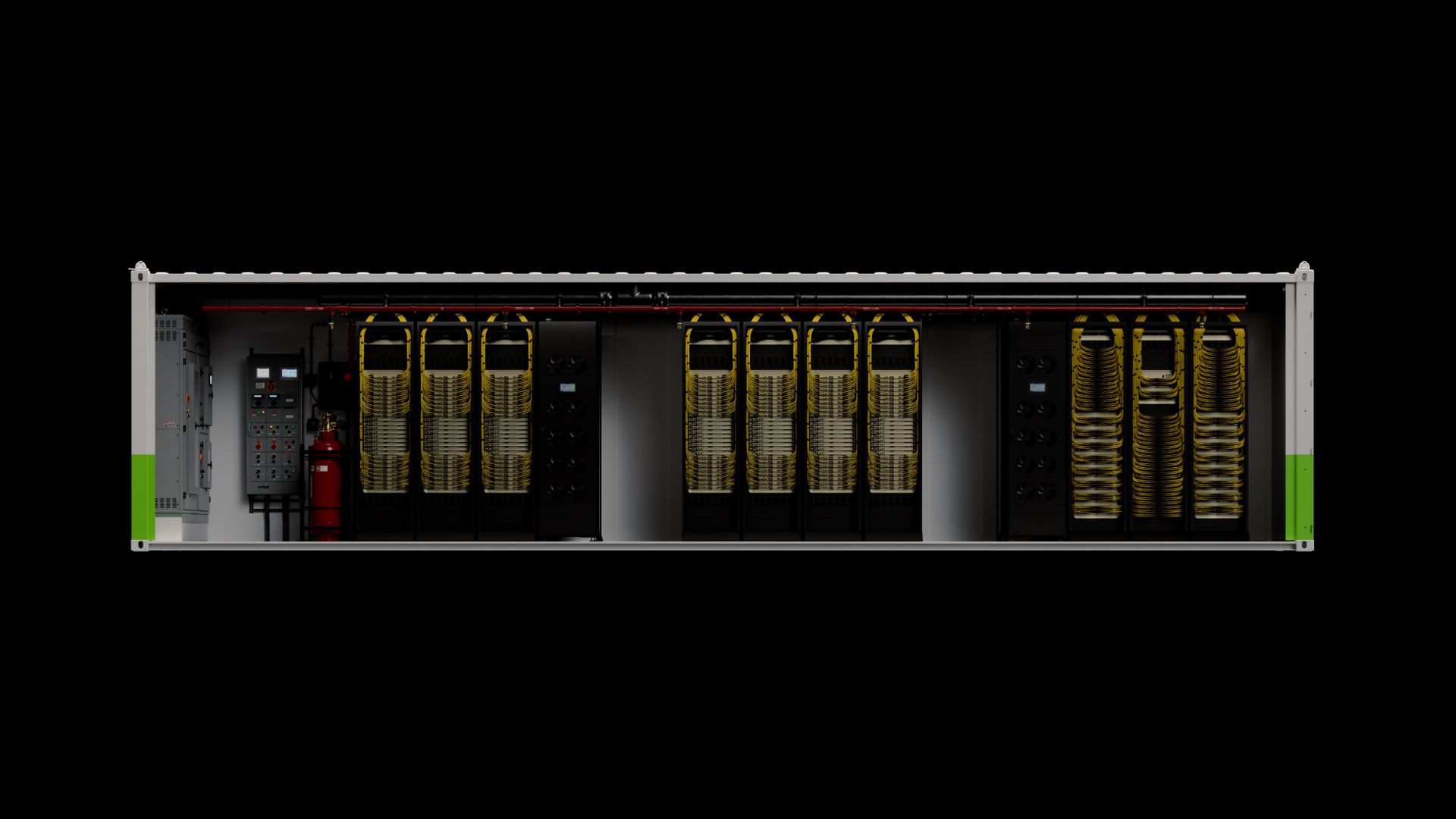
Nvidia has unveiled DSX POD, a modular infrastructure design aimed at accelerating the deployment of AI systems in data centers. The system integrates computing hardware, networking, electrical distribution, and liquid cooling into factory-assembled containers, significantly cutting installation time from six months to just 14 days, provided the site already has necessary supporting infrastructure.
Nvidia CEO Jensen Huang emphasized that these acceleration efforts enable revenue generation sooner, as "an AI factory creates value when it starts producing tokens, not when construction is complete." The reference design begins with Vera Rubin NVL72 systems, comprising liquid-cooled computing racks connected by 17 kilometers of Spectrum-X cabling.
However, the 14-day deployment timeframe hinges on site readiness, with factors like power availability, cooling capacity, and networking needing to be pre-installed. Nvidia claims its DSX infrastructure platform can enhance energy and water efficiency. The cooling approach uses closed-loop liquid cooling with outdoor dry coolers, potentially eliminating water evaporation during heat rejection.
For a 2GW deployment, Nvidia estimates a daily water savings of 54 million liters compared to traditional cooling systems. Additionally, Nvidia's DSX MaxLPS technology could deliver AI processing power using 30% less energy by dynamically adjusting to the facility's electricity budget. The DSX Flex component adjusts power consumption based on electricity prices, grid conditions, and utility requirements.
Nvidia is partnering with companies like Dell Technologies, HPE, Lenovo, Schneider Electric, and Vertiv to manufacture and supply DSX POD systems globally, with deliveries starting in early 2027. However, independent verification of these efficiency claims under real-world operating conditions is still pending.
Written by urgent.news from TechRadar's reporting — not their text. Machine-written — may contain errors; check the original before relying on it.