New Eye Drops Promise Clearer Vision Without Glasses, but There Is a Catch
New eye drops promise clearer vision without glasses: A new generation of prescription eye drops is offering adults an alternative to reading glasses, promising sharper near vision for much of the day. But while the treatment represents a significant development in eye care, it does not eliminate tired eyes, and users need to understand its […]
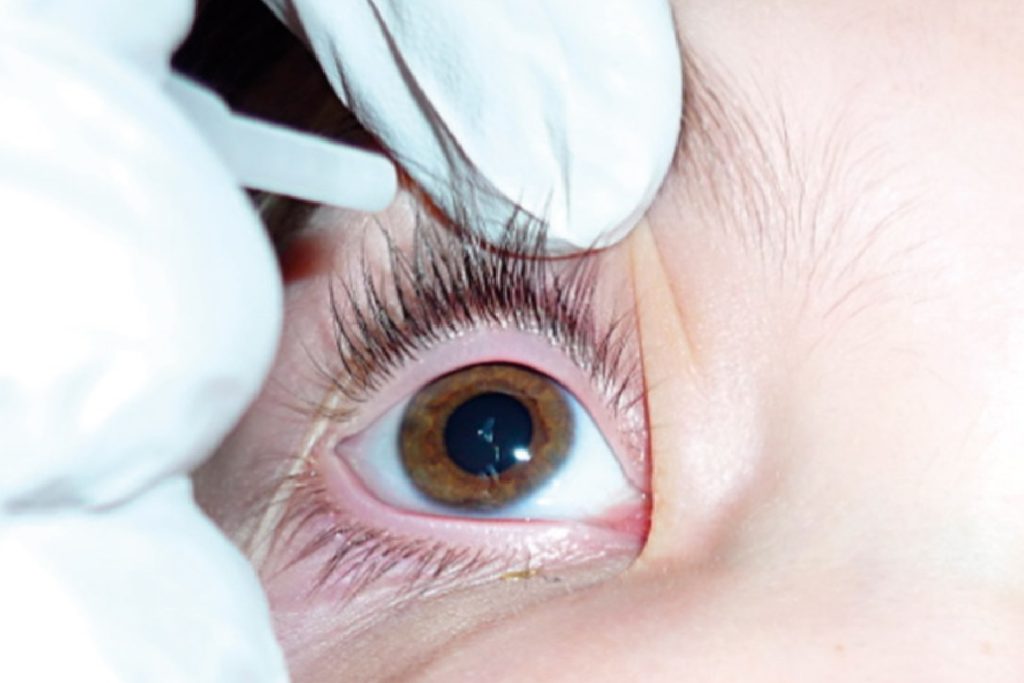
A new eye drop called VIZZ has been approved by the U.S. Food and Drug Administration (FDA) for treating presbyopia, an age-related vision condition that makes it hard to focus on close objects. VIZZ contains aceclidine, which constricts the pupil to create a pinhole effect, increasing the eye’s depth of focus and making nearby objects appear sharper.
While VIZZ can provide clearer near vision for up to 10 hours, it does not permanently restore the eye’s natural lens flexibility. The drops work by improving near visual acuity, with effects noticeable within 30 minutes and lasting up to 10 hours, but the extent of improvement varies among users. Clinical trials supporting the FDA’s approval included 466 participants and showed significant improvements in near vision within the first 30 minutes.
However, the treatment is not a replacement for glasses or contact lenses and does not correct myopia. Common side effects include eye irritation, temporary blurred vision, headaches, and eye redness. Serious concerns include rare cases of retinal tears and detachment. Before using VIZZ, patients should consult an eye-care professional, undergo an eye examination to determine if their symptoms are due to presbyopia, and follow the prescribed dosing instructions.
While VIZZ offers a convenient alternative for some adults with presbyopia, it is essential to weigh its potential benefits against its limitations and side effects, as established options like glasses and contact lenses remain effective for correcting refractive errors.
Written by urgent.news from Colombia One's reporting — not their text. Machine-written — may contain errors; check the original before relying on it.