New EU rules threaten Ethiopia's coffee sector
Some 15 million people in the country are involved in the industry, which sends 30% of its output to the EU.
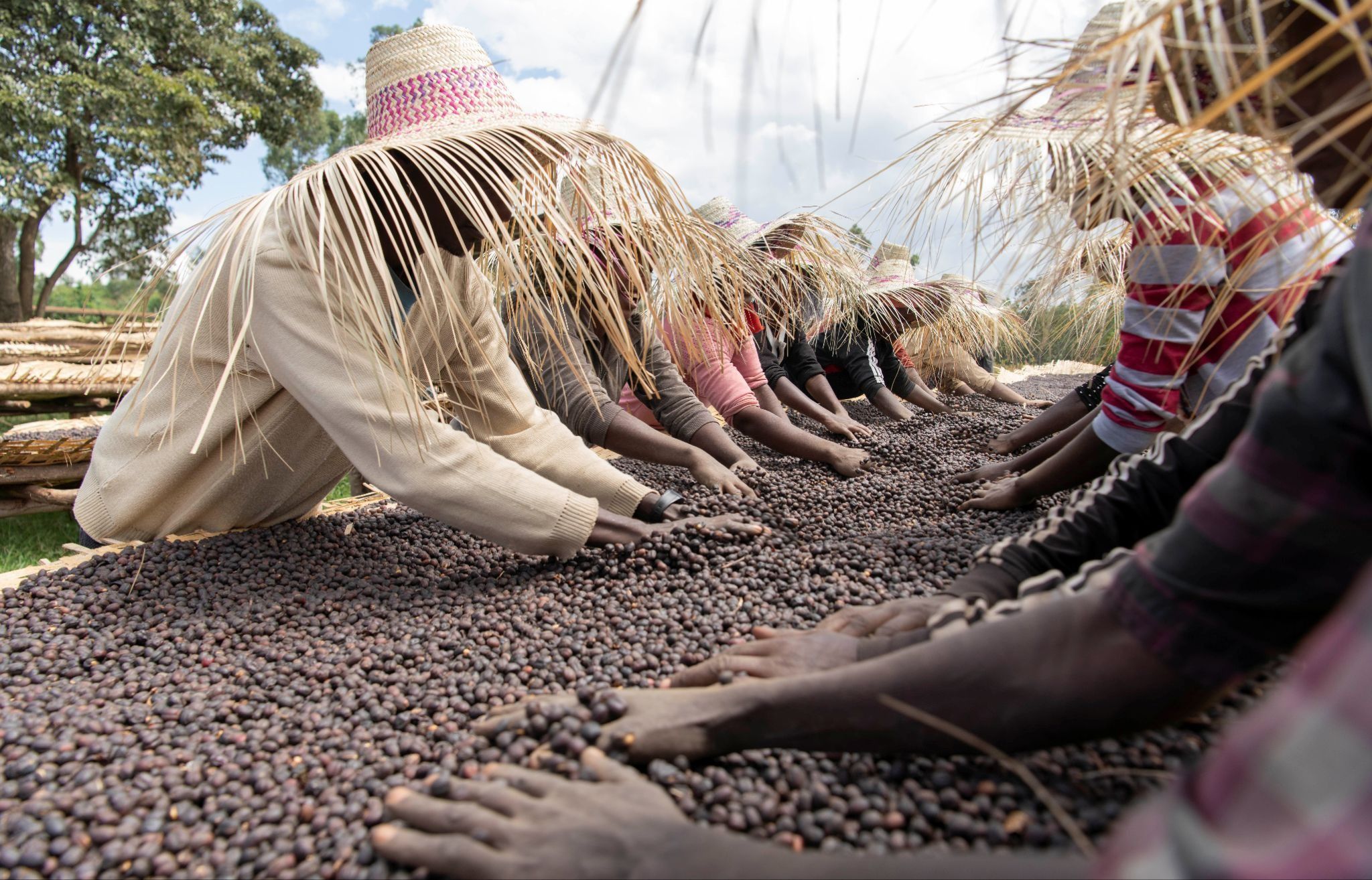
The European Union's initiative to curb deforestation may negatively impact Ethiopia's coffee industry and its broader economy, according to a think tank. Ethiopia, widely regarded as the birthplace of coffee, employs around 15 million people in its coffee sector, with 30% of its production exported to the EU, reported London-based ODI Global.
The EU's upcoming rules, set to take effect next year, will necessitate exporters of certain commodities, including coffee and cocoa, to verify that they are deforestation-free. This poses significant traceability and mapping challenges for producers. As Ethiopia's coffee sector is primarily comprised of smallholder farmers, the difficulty in tracing the origin of their beans could lead to 60% of these growers being barred from the European market, estimated ODI Global.
While Ethiopia's coffee authority is currently gathering the necessary data, the process is not yet complete. The nation has also pledged to plant 8 billion new trees this year to address historical deforestation, although the project has raised concerns about verification and survival rates.
Written by urgent.news from Semafor's reporting — not their text. Machine-written — may contain errors; check the original before relying on it.