NASA's Swift observatory ends 22-year mission, will crash to Earth 'in the next few weeks'
NASA's Neil Gehrels Swift Observatory has officially ended its mission after more than 20 years, as it approaches a fiery reentry through Earth's atmosphere.
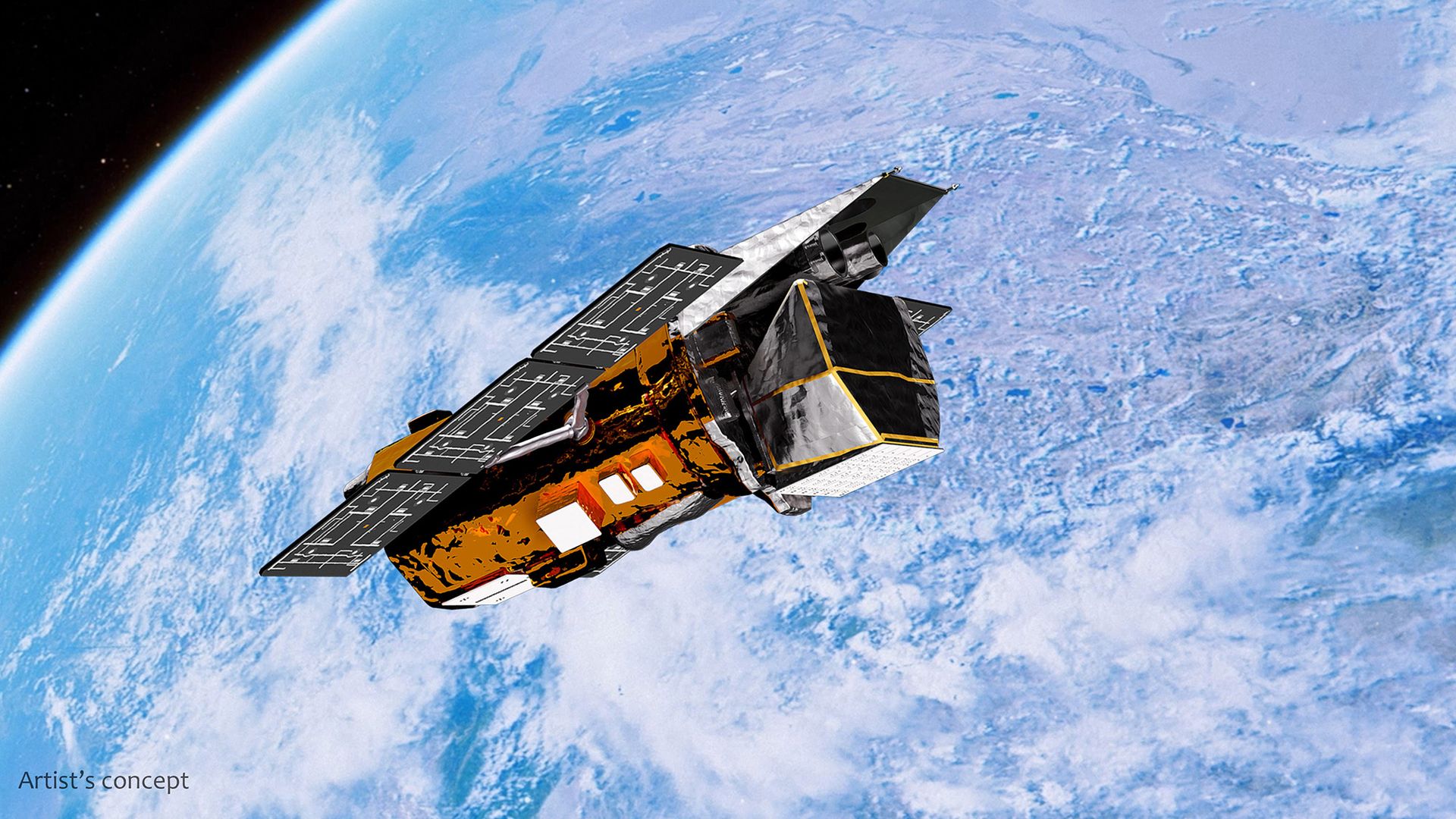
NASA's Swift observatory has completed its 22-year mission and will soon return to Earth, breaking apart in the atmosphere in the coming weeks. The Neil Gehrels Swift Observatory had outlived its intended lifespan by over 10 times despite being designed for a two-year mission. Launched in 2004, Swift made thousands of observations of powerful cosmic events, contributing to about 7,000 scientific papers.
The observatory's unique ability to respond to explosions within minutes, receiving signals from gamma-ray bursts that occurred so quickly they could not be targeted with larger telescopes, played a major role in advancing our understanding of the universe. In August, NASA attempted to boost Swift's orbit using a private spacecraft, but the mission failed, ending with the would-be rescue craft burning up in the atmosphere.
Swift now orbits at just 171 miles (275 kilometers) above Earth, too low to continue taking reliable measurements due to increased drag from intense solar activity.
Written by urgent.news from Live Science's reporting — not their text. Machine-written — may contain errors; check the original before relying on it.
This story
This is one outlet's version. Read the fullest account.