Mismatched drives from old PCs made my NAS more reliable than matched drives
A NAS doesn't need identical drives to run well.
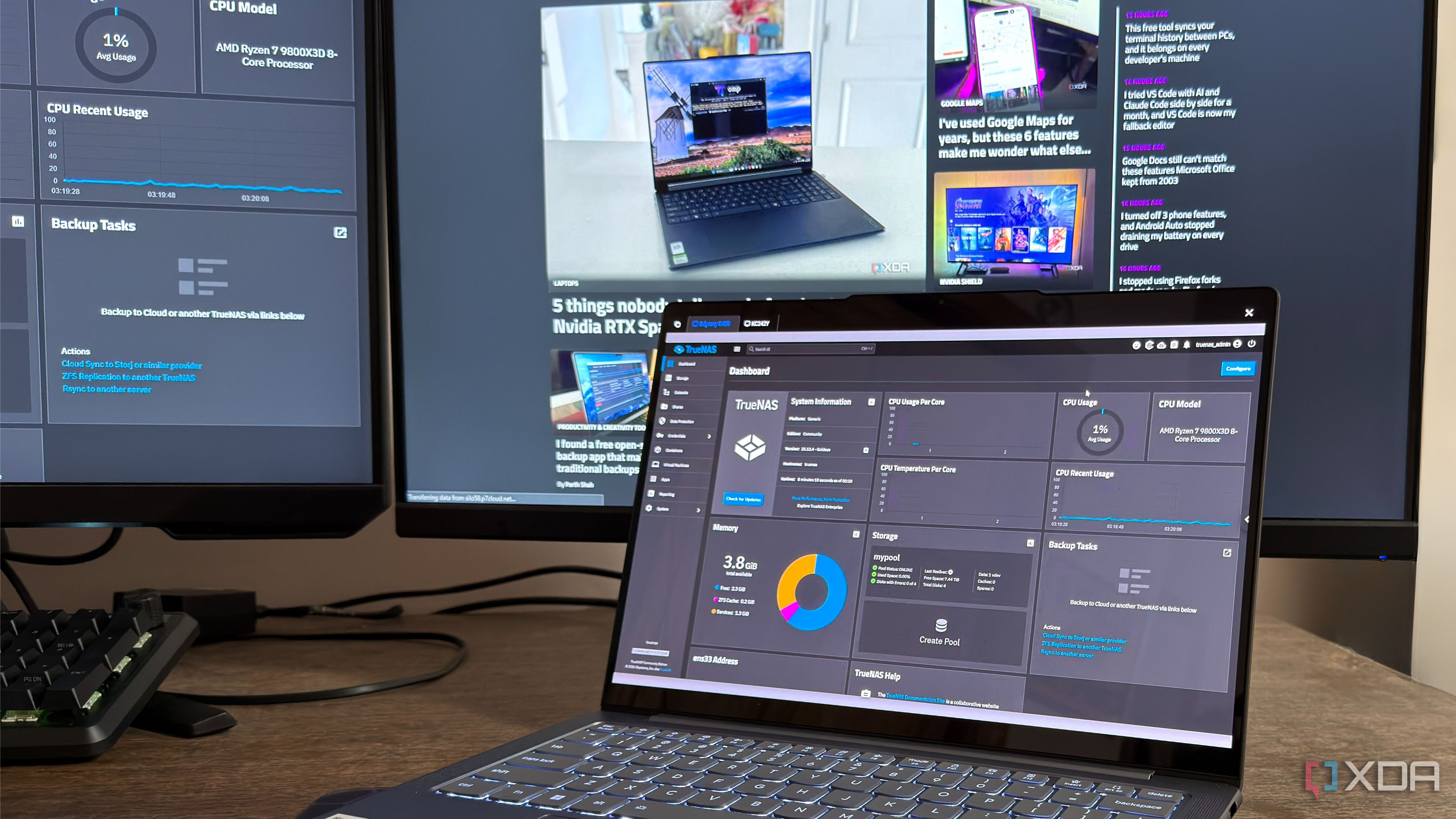
In the world of NAS systems, it is generally advised to use hard drives of identical sizes, brands, and models to achieve consistent performance and reliability. This approach, however, did not deter the author from creating a NAS system using mismatched drives extracted from old PCs. Despite the variety in brands, capacities, and wear levels, the resulting NAS turned out to be remarkably dependable.
The author attributes this success to the dissimilar hardware, which statistically lowers the likelihood of simultaneous failures compared to a batch of identical drives. While purchasing identical drives offers certain advantages, the author's experience suggests that a mix of drives sourced from different factories and years can provide a more resilient system.
The author's DIY NAS, built from discarded hardware, delivers ample storage capacity without the need for RAID, effectively eliminating the loss of storage space that typically occurs when employing RAID configurations. The author acknowledges the trade-off of slower data transfer rates due to the presence of 5400 RPM and 7200 RPM drives, but finds it inconsequential given the primary use of the NAS for infrequently modified data.
In the event of a drive failure, the author simply sources another from the collection of discarded components, maintaining the NAS's functionality without the need for costly replacements.
Written by urgent.news from XDA Developers's reporting — not their text. Machine-written — may contain errors; check the original before relying on it.