Migration to safety: Three insights you may have missed from theCUBE’s coverage of DigiCert’s World Quantum Readiness Day 2026
Public key infrastructure, or PKI, modernization is taking on new urgency as organizations prepare for the security risks posed by quantum computing. PKI provides a framework for creating, managing and revoking digital certificates that establish trust across digital networks. As quantum computing advances, organizations must prepare to replace vulnerable public-key cryptography across their…
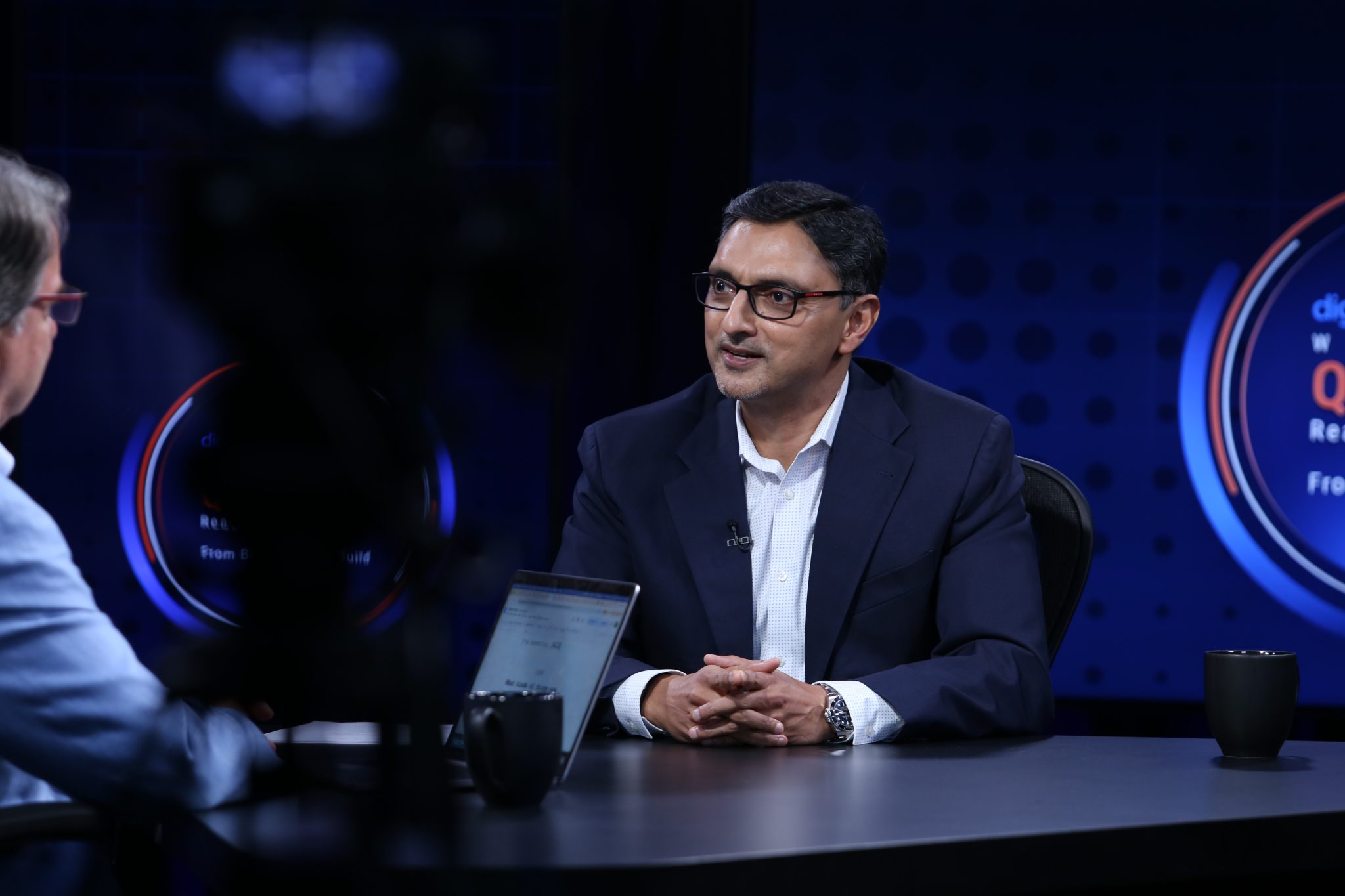
Three key insights from DigiCert's World Quantum Readiness Day 2026 event highlight the urgency of migrating to quantum-safe cryptography, the need for crypto agility, and the challenges of implementing post-quantum algorithms across diverse environments.
Firstly, organizations must gain visibility into where cryptography is currently used to effectively plan a migration. DigiCert's Quantum Central tool can help assess this risk, while shorter certificate lifetimes necessitate automation in certificate management. The urgency to "prioritize the migration to quantum safety" was emphasized by DigiCert's CEO, Amit Sinha.
Additionally, achieving "crypto agility" by implementing last-mile automation capabilities is crucial for both short-term and long-term migration to post-quantum cryptography.
Secondly, post-quantum cryptography will require flexibility due to various standards being adopted across jurisdictions. While many countries are following U.S. National Institute of Standards and Technology (NIST) guidelines, China has launched a program to solicit and evaluate quantum-resistant cryptographic algorithms. This disparity in standards could complicate the transition, but organizations can ease the process by becoming more "crypto agile" – adaptable to different encryption methods as they emerge.
Lastly, successful migration will depend on resource allocation and identifying clear teams and service owners responsible for implementation. LGT Financial Services AG, for example, has been consistently asking vendors about supported algorithms and compatibility constraints for at least two years. Implementing post-quantum cryptography is not a single project or algorithm change, but rather a series of waves comprising inventorying, replacing, and validating cryptographic use cases.
Naomi Wynn, CEO of NEPKI, cautioned against expecting a one-size-fits-all solution and emphasized the need for improved guidance to meet emerging requirements.
Additionally, organizations are testing the performance of post-quantum cryptography in their existing environments. Daiwa Institute of Research Ltd. found that a post-quantum-enabled load balancer increased TLS handshake time by approximately 1.2 milliseconds, but the impact was negligible in high-bandwidth data center environments. However, organizations operating over wireless networks or with constrained bandwidth should carefully evaluate the performance implications in their specific contexts.
In conclusion, the urgency of migrating to quantum-safe cryptography is underscored by the need for visibility into current cryptographic usage, the demand for crypto agility to adapt to evolving standards, and the challenges of implementing post-quantum algorithms across diverse environments. Organizations must approach the transition methodically, allocating resources, identifying responsible teams, and carefully assessing the impact on their specific use cases.
Written by urgent.news from SiliconANGLE's reporting — not their text. Machine-written — may contain errors; check the original before relying on it.
This story
This is one outlet's version. Read the fullest account.