Micron plans to use wafer bonding and High-NA EUV for next-gen DRAM
Micron rejects 4F2, intends to use wafer bonding and High-NA EUV before going 3D NAND over the next few years.
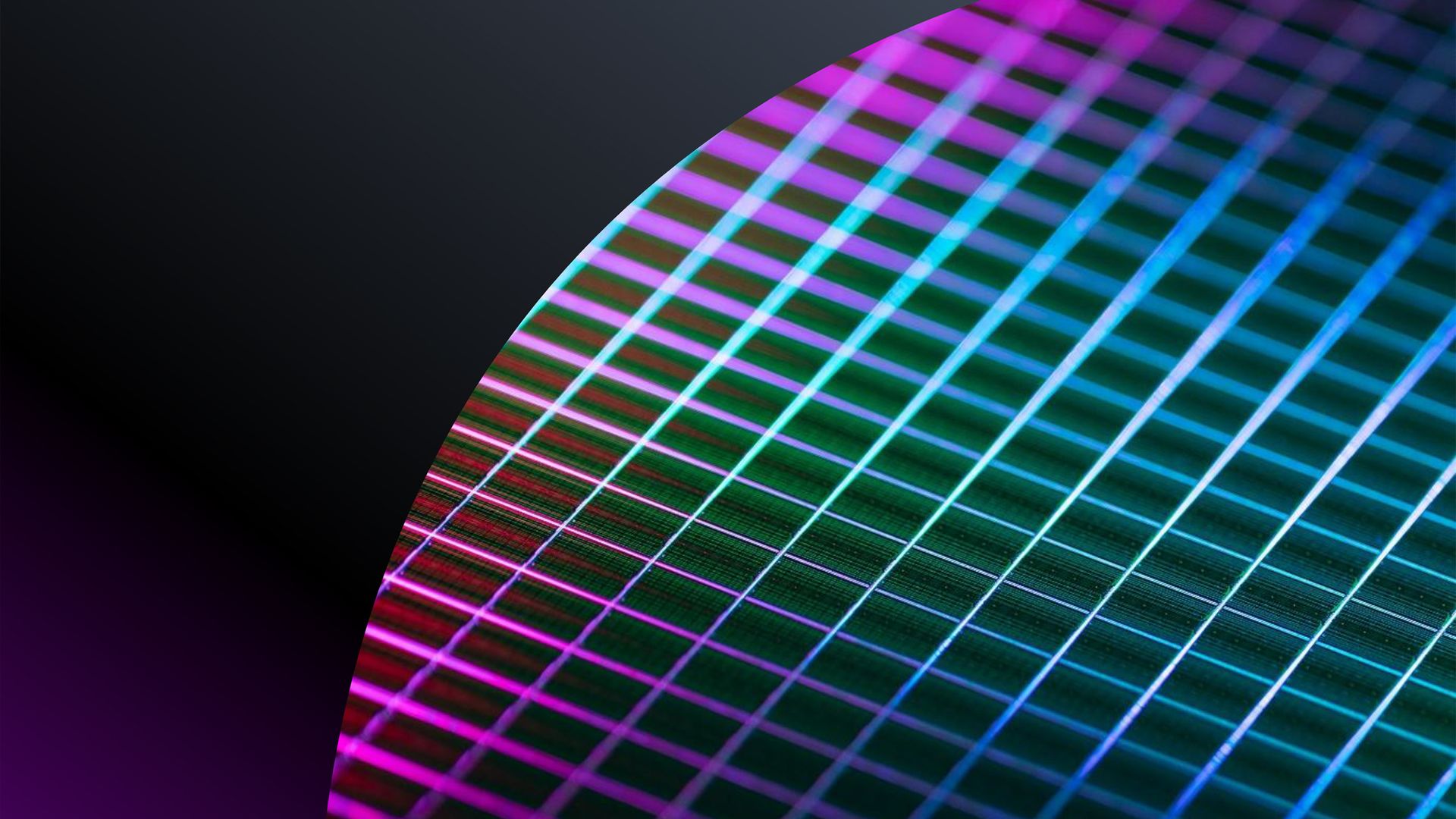
Micron, the semiconductor company, is planning to employ wafer bonding and High-NA EUV lithography for its next-generation DRAM devices. This is in response to the need to continue scaling DRAM despite shrinking limits at the atomic level. Currently, Micron's 1γ DRAM process is in high-volume manufacturing, with the 1δ process scheduled for volume production in late 2027.
The latter promises a 20% increase in bit density and is tailored for AI memory products like HBM5, vHBM, and vEIM. While Micron has not revealed the specifics of wafer bonding implementation, it is set to introduce the technology in its upcoming 1ε DRAM process. In the following generations, ζÅ and ηÅ, Micron aims to use High-NA EUV lithography and new materials to further reduce DRAM cell size.
The company is also developing 3D DRAM technologies, with two generations already planned, but not disclosing their architectures or launch schedules. Additionally, Micron is exploring innovative DRAM types like vertical HBM (vHBM), vertical edge inference memory (vEIM), and custom HBM (cHBM) to cater to specific use cases, particularly in AI accelerators and edge AI processors.
These new memory architectures require advanced packaging technologies and thermal management solutions, signifying a shift towards closer integration of memory with processors for improved performance.
Rewritten by urgent.news; may contain errors — check the original.