La economía circular, de una cuestión de necesidad a un factor de competitividad
Los empresarios sostienen que, aunque el objetivo de la economía circular es reducir el impacto medioambiental, debe haber incentivos económicos para que los empresarios y los ciudadanos opten por este tipo de procesos y productos. Leer
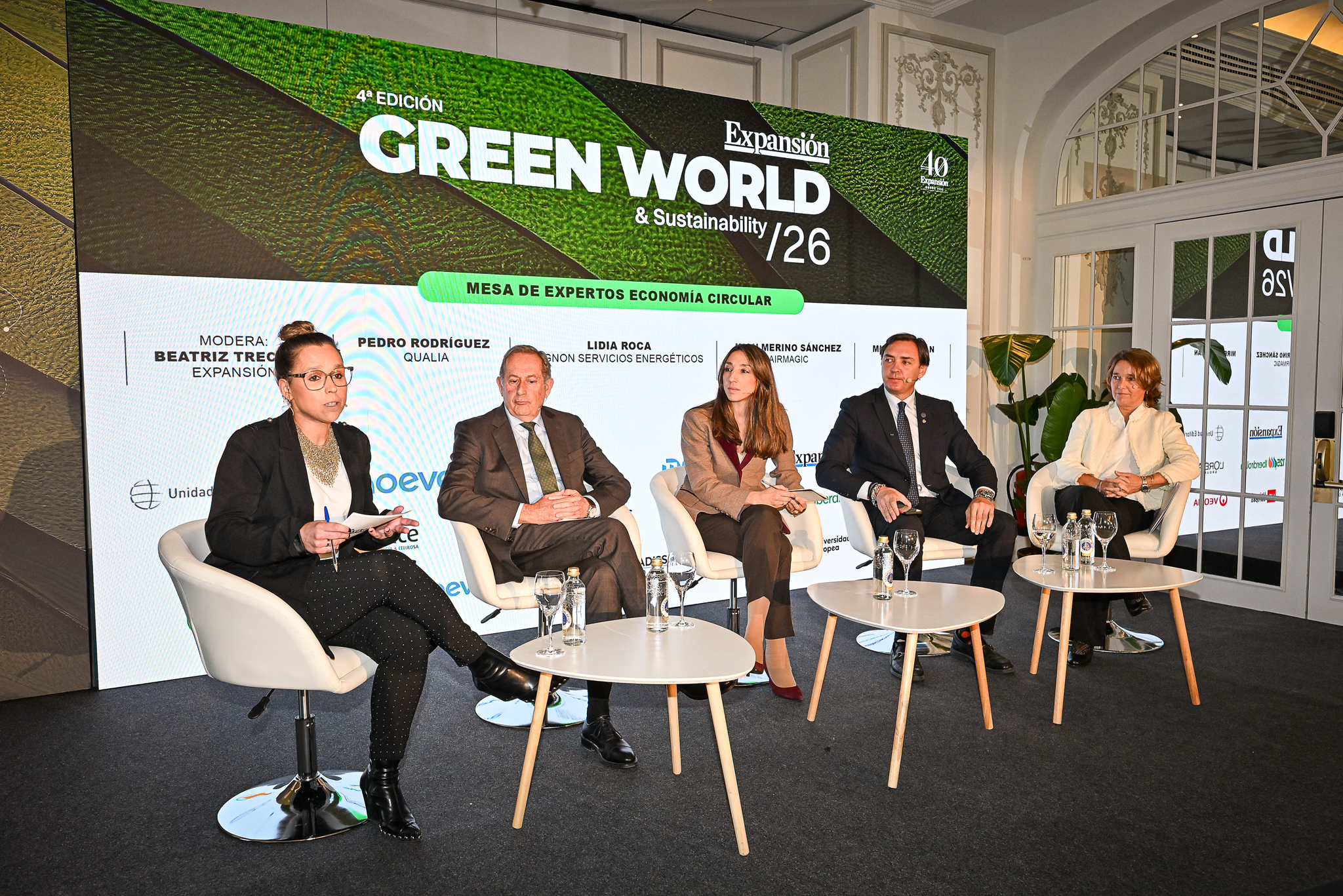
Business leaders argue that while the goal of the circular economy is to minimize environmental impact, economic incentives are necessary for companies and citizens to adopt such processes and products. In the past, the circular economy had economic drivers but lacked environmental ones, but now the focus seems to be more on environmental drivers, often overlooking economic ones.
Pedro Rodríguez, Sustainability and Innovation Director at Aqualia, emphasized that competitiveness involves achieving environmental goals set by Europe, without neglecting the crucial economic driver. Lidia Roca, Magnon Servicios Energéticos General Director at Grupo Ence, explained that Aqualia's strategy involves converting agricultural and forest residues into competitive energy resources, closing the loop between agriculture and industry.
Mireia Hernández, Veolia Director of Sustainability, highlighted the company's belief that circular economy should be a lever to address climate change challenges and secure resources. Juan Merino, Airmagic CEO, stressed the need for a cultural change across public administrations and businesses to fully embrace circularity. He pointed out that public tenders rarely specify sustainable cooling systems, and businesses must propose alternatives to save up to 98% of electricity.
Written by urgent.news from Expansion ES's reporting — not their text. Machine-written — may contain errors; check the original before relying on it.