Jin Keyu has offered the right China strategy to china: the world ought to pay attention — Phar Kim Beng
OCTOBER 26 — In a world increasingly fractured by geopolitical rivalry, protectionism, technological nationalism a...
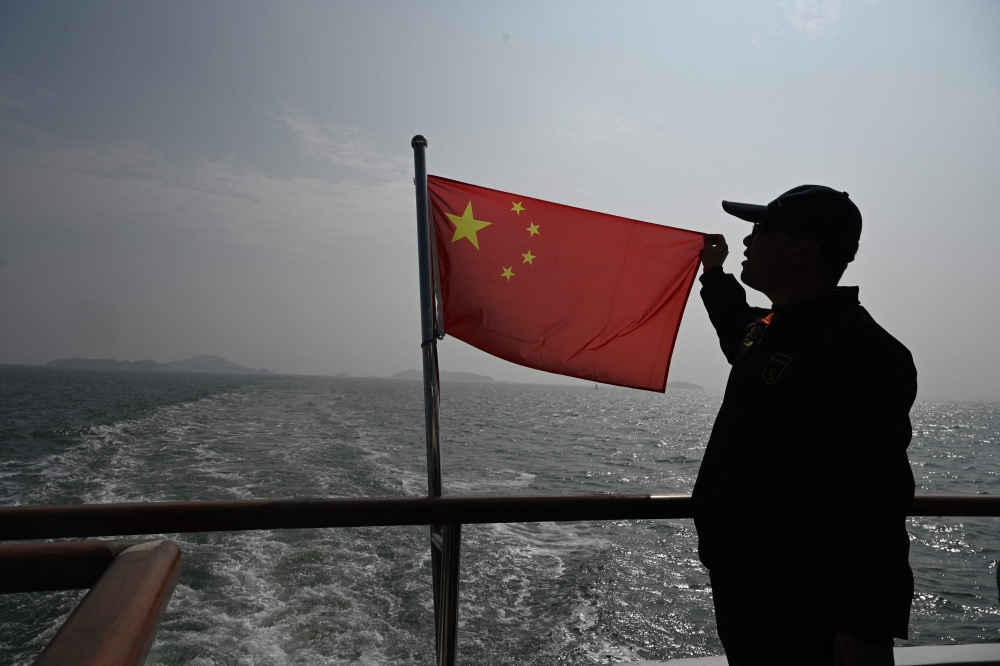
In an increasingly divided world, Chinese economist Jin Keyu has provided Beijing with a valuable strategy that could keep China globally relevant without insisting on industrial dominance. Her argument, published in TIME on October 23, 2026, deserves serious consideration across Asia, Europe, Africa, Latin America, and the United States.
A central tenet of her strategy is that China cannot continue to be the world's manufacturing hub indefinitely; instead, it must become an exporter of industrial knowledge, technological capabilities, and expertise.
China has benefited from a global economic system that has allowed its workforce to transform into a sophisticated manufacturing ecosystem over the past four decades. However, as China's electric vehicles, solar panels, batteries, robotics, and advanced machinery become more competitive, other countries may become resistant to losing their own industrial capacities.
The United States has responded with tariffs, export controls, and industrial policies aimed at reducing dependence on Chinese production, while Europe has also expressed concerns about industrial competitiveness.
Developing economies may face the uncomfortable prospect of becoming permanent consumers of Chinese technology without acquiring the ability to manufacture it themselves. Jin Keyu's strategy acknowledges that economic efficiency and political acceptability are no longer interchangeable. What may make commercial sense in Shenzhen could generate political resentment in Brussels, Washington, Jakarta, or Brasília.
To achieve her vision, China should transition from merely exporting finished goods to helping other countries develop their own industries. For instance, instead of selling batteries, China could facilitate battery production, recycling, and research abroad. This approach would allow China to become a partner in the productive transformation of other economies, reducing the intensity of economic resistance generated by China's manufacturing dominance.
The implications of Jin Keyu's strategy are particularly significant for Southeast Asia, where the region cannot afford to become a mere marketplace for Chinese industrial surpluses or a geopolitical instrument used by the United States to contain China's technological development. The Asean Outlook on the Indo-Pacific, adopted in 2019, emphasizes openness, inclusivity, cooperation, and mutual benefit, making Jin's proposed economic transformation compatible with these principles, provided technology partnerships genuinely strengthen local industries.
Malaysia, Indonesia, Thailand, Vietnam, and the Philippines should approach Chinese investment with greater strategic sophistication, seeking not only factories but also technological capabilities, stronger local suppliers, training for engineers, and opportunities for domestic enterprises to ascend global value chains. Malaysia, in particular, has established electrical and electronics ecosystems, semiconductor capabilities, and expanding digital infrastructure, which it should leverage to become a significant participant in the next generation of advanced manufacturing.
Written by urgent.news from Malay Mail's reporting — not their text. Machine-written — may contain errors; check the original before relying on it.