Jeffries: Democrats will deal with Hegseth if Trump doesn't
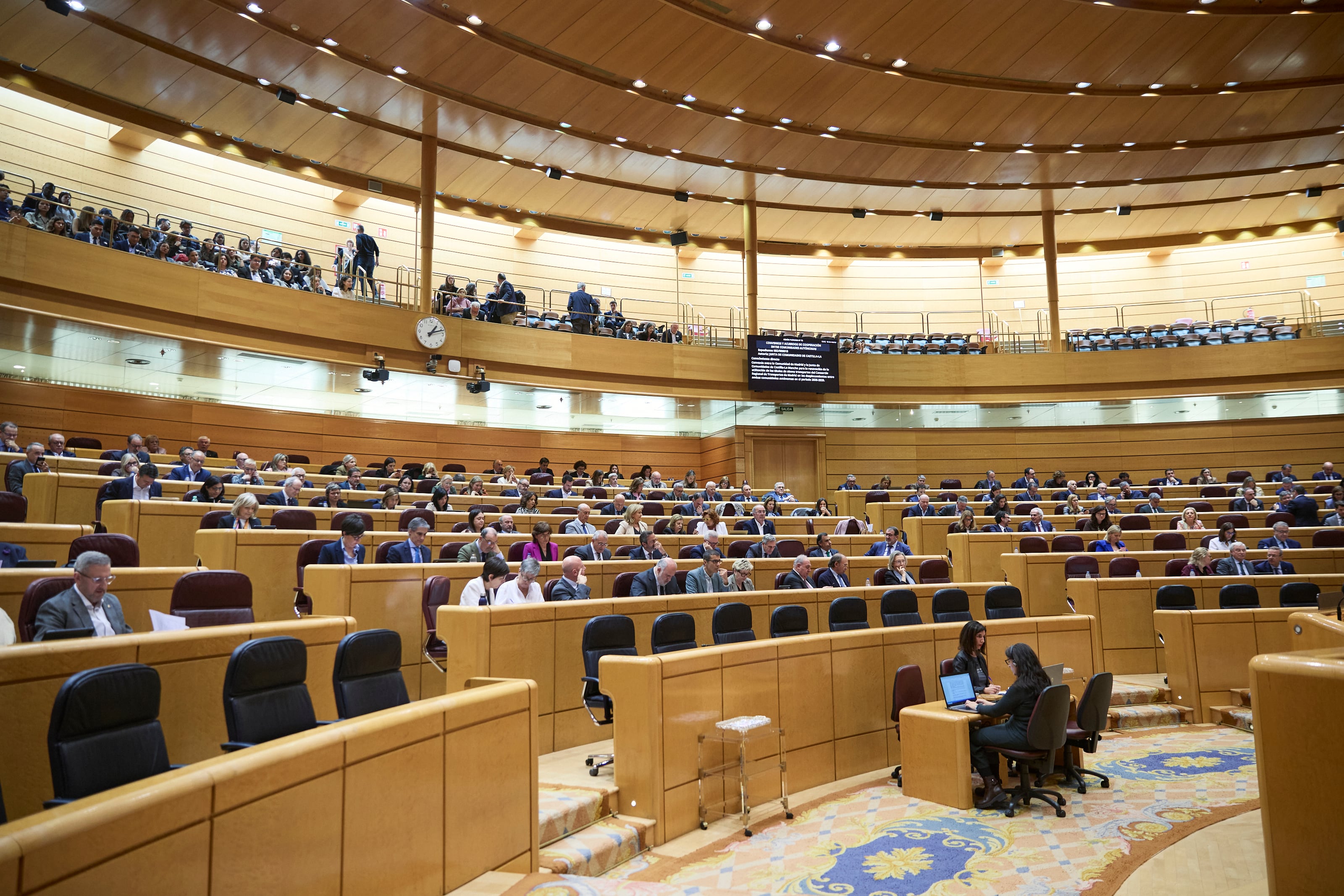
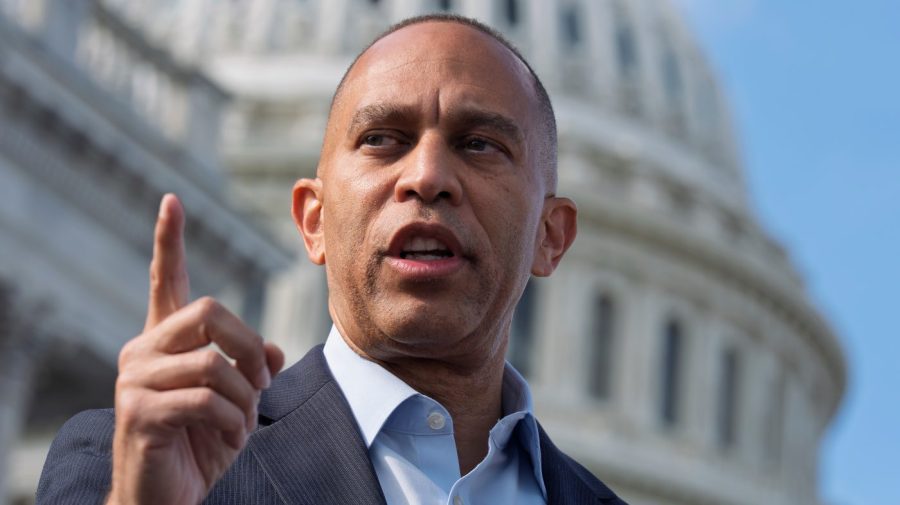
House Minority Leader Hakeem Jeffries (D-N.Y.) said Democrats will run Defense Secretary Pete Hegseth “out of town” if they take the majority in the November midterms. Jeffries told MS NOW that Democrats will take action to knock Hegseth off his perch atop the Pentagon if President Trump doesn’t push him out himself. Democrats have zeroed...
On the same day that US President Donald Trump announced a $4 billion investment in Audi, the German automaker confirmed plans to build its first factory in the United States near Macon, Georgia. The project is expected to create around 4,500 jobs and begin annual production of up to 200,000 vehicles in the early 2030s. Audi intends to manufacture premium SUVs for the US market at the facility, marking a long-term commitment to the highly important premium market.
The US investment comes as German automakers face pressure from China, rising costs, and two conflicts. Chinese rivals have gained a significant advantage in the transition to electric vehicles (EVs), expanding production of new models that are rapidly gaining market share in a crowded global auto market. Major German automakers like BMW, Mercedes-Benz, and Audi's parent company, Volkswagen, have issued profit warnings and announced cost-cutting measures in response to the challenges they face.
Trump credited his 15% tariffs on European-made vehicles for Audi's decision, stating that it would not have occurred without them. Although the investment aligns with Trump's plan to bring manufacturing back to the United States, Audi emphasized that it is driven by growth and resilience. Audi CEO Gernot Döllner, who appeared with Trump at the rally, stated that the United States is a crucial premium market that Audi has yet to fully exploit.
The company aims to enhance its American operations beyond simply building the factory. However, Trump's tariffs have undoubtedly added financial burdens to Audi, costing around €1.2 billion ($1.3 billion) last year. With a 16% decline in US sales last year amidst intense competition, Audi expects the US factory to help avoid or reduce the impact of these tariffs.
The commitment has faced criticism, with German automakers facing severe pressure and potential job losses at home. Some have criticized Döllner's appearance alongside Trump, accusing him of aiding an autocrat waging a trade war against Germany. However, Audi defended the US investment as a step toward strengthening global competitiveness.
The announcement timed with the US midterm elections on November 3 appears to be a strategic move to bolster local Republican candidates.
Written by urgent.news from DW English (Top Stories)'s reporting — not their text. Machine-written — may contain errors; check the original before relying on it.
This story
This is one outlet's version. Read the fullest account.