Israel heads to polls at pivotal moment for Middle East
Israel goes to the polls on Tuesday in one of the most momentous elections in its history as voters deliver their verdict on Prime Minister Benjamin Netanyahu 's wartime leadership. Mr Netanyahu is seeking re-election after a four-year term defined by the catastrophic security failure of the October 7, 2023 attacks, Israel's destructive war in Gaza and its subsequent campaigns in Lebanon, Iran…
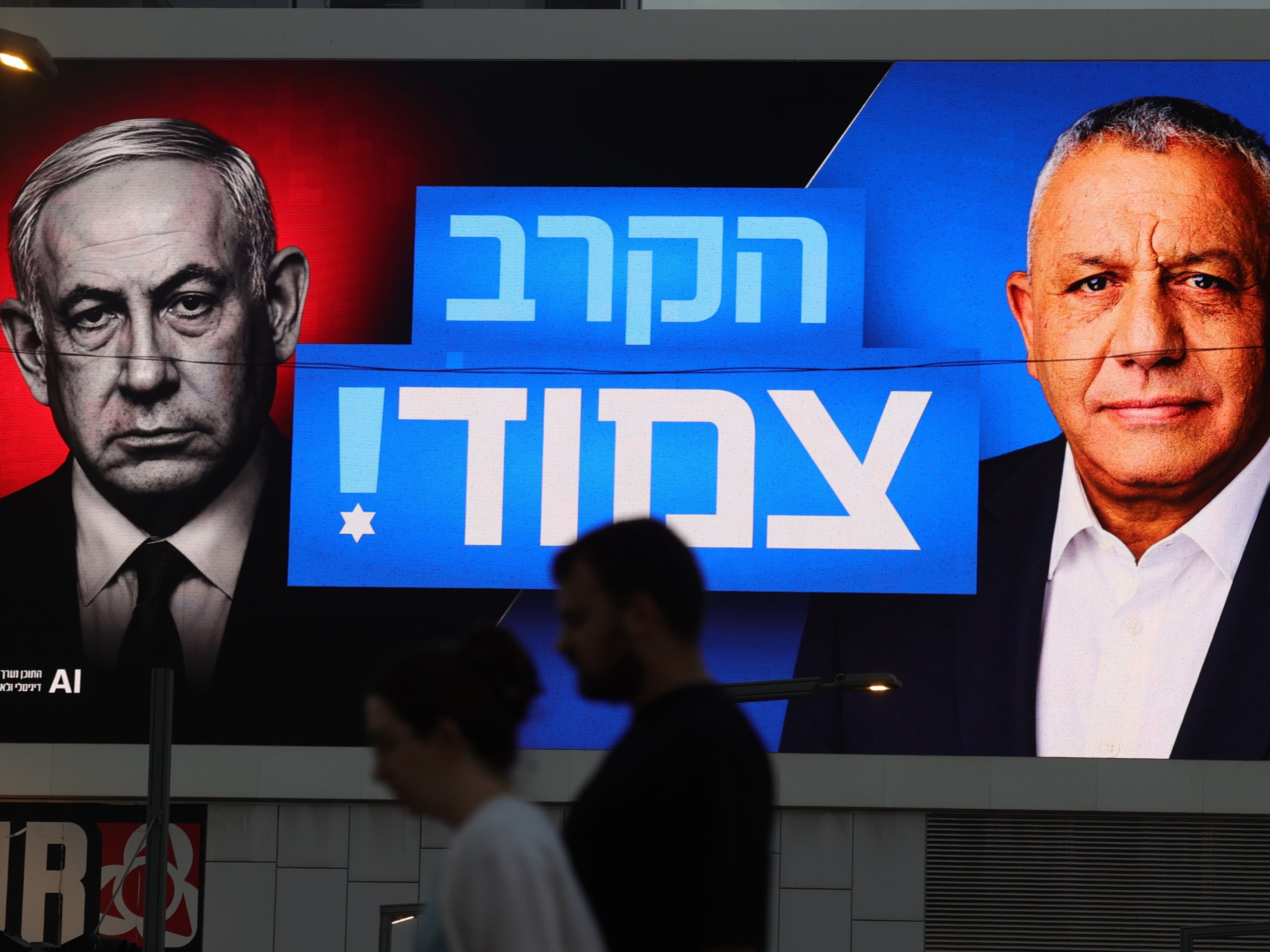
Israel votes on Tuesday in a historic election, with citizens weighing in on Prime Minister Benjamin Netanyahu's wartime governance. Netanyahu is vying for re-election after a four-year tenure marked by the disastrous October 7, 2023 attacks, Israel's intense war in Gaza, and subsequent military campaigns in Lebanon, Iran, and beyond.
Polls indicate a tight contest that might lead to protracted coalition negotiations just as Middle Eastern nations endeavor to restore stability. Forecasts point to Gadi Eisenkot, a former high-ranking military official, as the most likely challenger to Netanyahu from among the opposition candidates. The country's Arab minority might wield significant influence in the voting process, with political insiders noting "astronomical" expected turnout.
Senior opposition figures suggest a possibility of a coalition or minority government with Arab parties, stating that after witnessing the past three years, people have discerned the distinction between poor and worse governing. Polling stations close at 10pm Israeli time on Wednesday, with exit polls offering the initial glimpse of results shortly thereafter.
Preliminary outcomes will surface as votes are tallied overnight. During the final days of the campaign, opposition advocates urged for a formal investigation into the October 7 attacks, a request Netanyahu has rejected. He has countered with increased hardline security measures, including threats of a "second Holocaust" if Iran is allowed to rearm and ordering a questionable military operation in the West Bank.
Israel's international reputation has suffered due to its destructive Gaza campaign and settlement expansion in the West Bank. Netanyahu has leveraged US President Donald Trump's support as a crucial selling point, with Trump endorsing Netanyahu in a final message, praising their "great relationship in winning together." Eisenkot has maintained an ambiguous platform, campaigning on a down-to-earth honesty.
Most main candidates espouse hostile stances towards Iran and show little enthusiasm for a Palestinian state, though some have expressed tentative openness to reconciliation. Former Prime Ministers Naftali Bennett and Yair Lapid's alliance has faltered in the polls. Gazans remain largely disheartened about the vote, with Palestinian analyst Mustafa Ibrahim predicting little change in the situation regardless of Netanyahu's outcome.
Many still hope for his defeat, blaming him for the catastrophic destruction in Gaza during the war that has claimed over 70,000 lives. Approximately 7.3 million Israelis are eligible to cast their vote for the 120-member Knesset, with 36 parties competing, though most are not anticipated to gain enough support to secure seats. Israel's political landscape is no stranger to deadlock; between 2019 and 2022, the nation held five elections as parties repeatedly faltered in forming stable governments.
Netanyahu, who has led Israel since 2009 with but 18 months of break, would serve as caretaker prime minister during a period of coalition negotiations. Some believe he may capitalize on such a stalemate, potentially by launching a fresh conflict with Iran. According to reports, Netanyahu had pushed for a combined US-Israeli strike on Iran prior to the election; however, Trump declined to approve. Eisenkot expressed "full trust" in the military.
Written by urgent.news from The National Business's reporting — not their text. Machine-written — may contain errors; check the original before relying on it.