Investors see economic upside for Israel if opposition beats Netanyahu in upcoming elections
Since the October 7 Hamas attacks in 2023, the Tel Aviv stock market has soared 130%, far outpacing Wall Street's 80% gain, while the shekel has climbed 25%, one of the world's strongest performances.
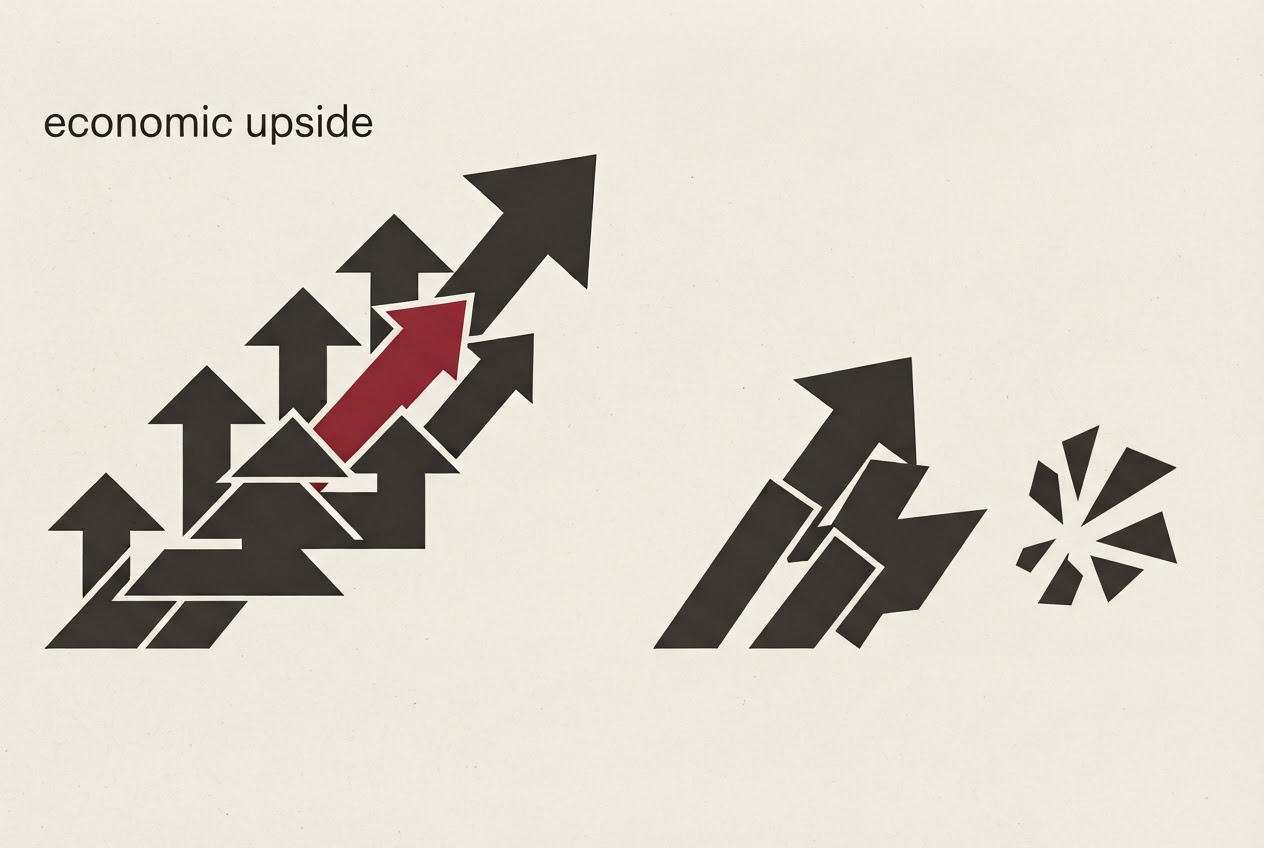
Israel's markets have surged despite three years of war and political unrest, but some investors see potential for even greater gains if the opposition defeats Prime Minister Benjamin Netanyahu in Tuesday's election. Opinion polls suggest a tight race, with neither Netanyahu's ruling Likud bloc nor the opposition alliance led by former military chief Gadi Eisenkot expected to secure the 61 seats needed to form a government. In such a scenario, lengthy coalition negotiations or another election could ensue.
The Tel Aviv stock market has skyrocketed 130% since the Hamas attacks in 2023, outperforming Wall Street's 80% gain, while the shekel has gained 25%, one of the strongest performances globally. Analysts attribute some of this strength to Israel's tech sector and the global AI boom, as well as defense spending, which has nearly doubled to 8% of GDP.
An opposition victory could potentially ease regional tensions and political risk, improving Israel's economic position. An opposition government without far-right ministers Itamar Ben-Gvir and Bezalel Smotrich might signal a "turning a new page," potentially boosting Israel's international credibility and expanding the Abraham Accords with its neighbors. This could lead to a decline in Israel's risk premium, appreciation of the shekel, and a positive reaction in the local market.
However, foreign investors remain cautious, with the share of global funds holding Israeli equities at a record low since 2023. The war has cost the economy nearly $55 billion, equivalent to 8.6% in cumulative lost GDP growth. Public debt has risen to nearly 70% of GDP, and the budget deficit is expected to remain around 4.5% of GDP. Central bank head Amir Yaron has stressed the need to preserve adequate fiscal policy space given the Iran war.
Written by urgent.news from Jerusalem Post's reporting — not their text. Machine-written — may contain errors; check the original before relying on it.
This story
This is one outlet's version. Read the fullest account.
- A look at the main issues in Israeli elections seen as a referendum on Netanyahu toronto.citynews.ca
- Liberman calls for Netanyahu treason probe over alleged attempt to start war to delay elections jpost.com
- Tuesday's elections could end Israeli Prime Minister Benjamin Netanyahu's political career koreatimes.co.kr