In Brazil, 'The spontaneous mobilization of Gen Z surprised even the leaders of Lula's Workers' Party'
An unprecedented surge in youth voter turnout, driven by a massive social media campaign, enabled the incumbent president to overturn what looked like a likely defeat against the far-right candidate. Anaïs Fléchet, a historian specializing in Brazil, explains in an interview with Le Monde.
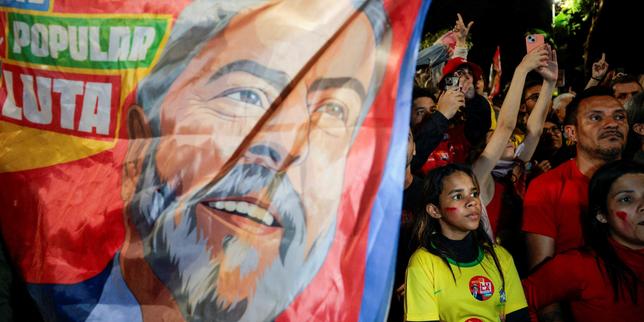
President Luiz Inácio Lula da Silva defeated right-wing challenger Flávio Bolsonaro to secure a fourth term in office, winning approximately 4.4 million more votes than his rival. According to the South China Morning Post, Lula received 51.8 per cent of the vote while Bolsonaro received 48.2 per cent. Le Monde English reports that an unprecedented surge in youth voter turnout, driven by a massive social media campaign, enabled the incumbent to overturn what appeared to be a likely defeat.
The election faced disruptions due to heavy rain and transport problems in some cities, which led to polling being extended nationwide by two hours at Lula's request. Flavio Bolsonaro, the 45-year-old son of former president Jair Bolsonaro, described the extension as a "dirty trick" and has called for the annulment of the election results. The South China Morning Post reports that Bolsonaro refused to concede and stated he would lead the opposition to the government.
US President Donald Trump, an ally of the Bolsonaro family, claimed the election looked "rigged" and "corrupt." Speaking to reporters in Washington, Trump said that while he did not take sides, the way the election was tabulated with the extension looked "terrible." PBS NewsHour noted that the transport and weather disruptions led to a chaotic final stretch at the polls.
Brief written by urgent.news from Le Monde English, New Straits Times, PBS NewsHour, Free Malaysia Today, South China Morning Post — 5 reports on this story. Machine-written — may contain errors; check the original before relying on it.
This story
This is one outlet's version. Read the fullest account.