Implications for the Gulf in the Israeli elections
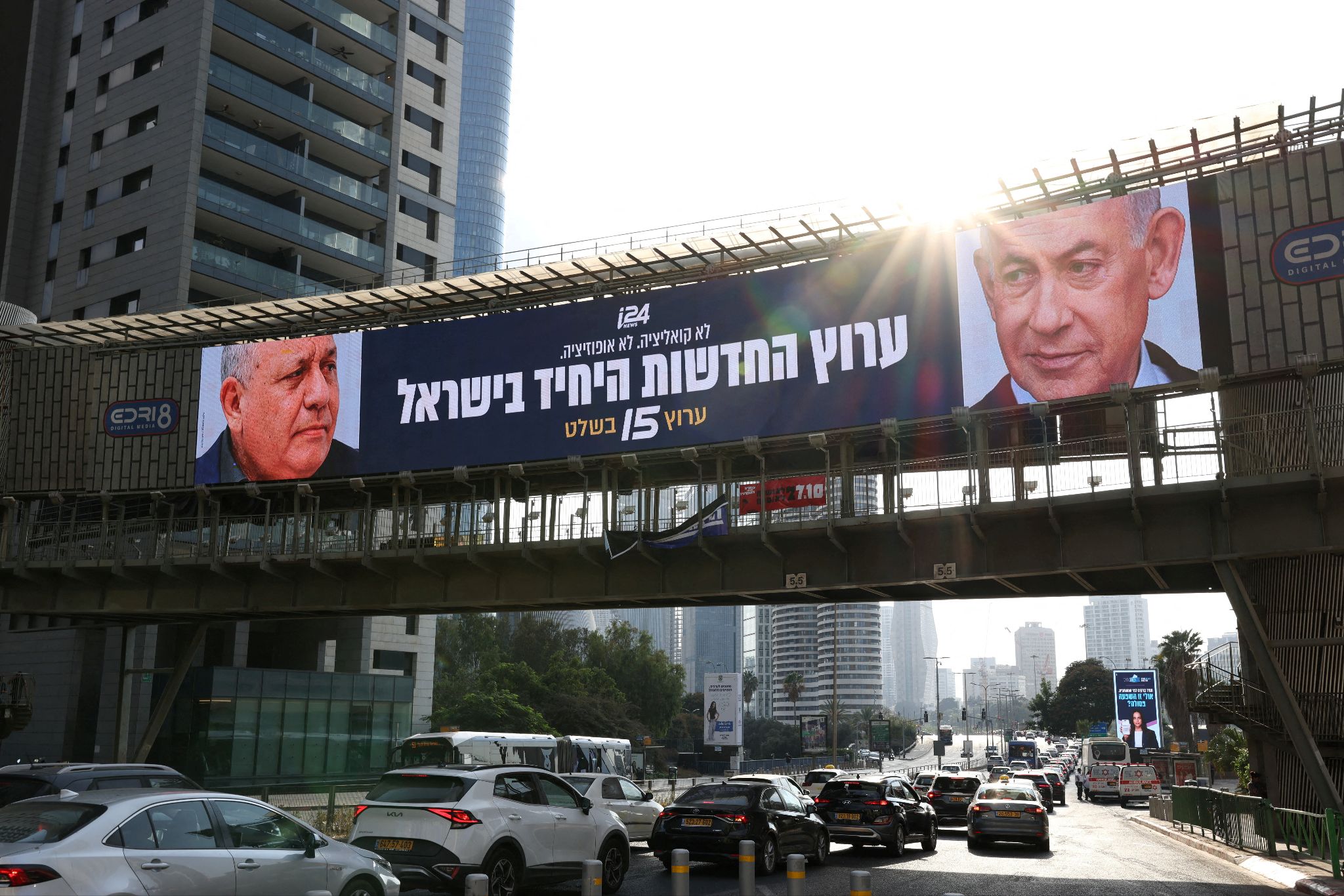
The Israeli elections on Tuesday are drawing significant attention from Gulf states, as the nation prepares to vote in its first national election since the Oct. 7, 2023 terror attack. If Prime Minister Benjamin Netanyahu secures a win, the region can expect a continuation of the status quo. The Abraham Accords will remain intact, and Saudi normalization will not be achievable without a viable path to Palestinian statehood, according to Sanam Vakil, director of the Middle East and North Africa Program at Chatham House.
Vakil, who also teaches at the Johns Hopkins School of Advanced International Studies, believes that a new Netanyahu-led government would not significantly alter Israel's stance on Iran or the Palestinians. However, Vakil suggests that a Netanyahu defeat could present an opportunity for the Gulf states to engage diplomatically on the issues of Gaza and the West Bank.
Recent polls indicate a deadlock in the parliament, with the opposition — an "anyone-but-Netanyahu" coalition led by former military chief Gadi Eisenkot — poised to win the most seats but falling short of a majority. This scenario could lead to prolonged coalition negotiations, as Netanyahu required 58 days to form a government following the 2022 election.
While Eisenkot advocates for military action against Iran's nuclear program if necessary, he has since acknowledged that regime change in Tehran is militarily unattainable.
Written by urgent.news from Semafor's reporting — not their text. Machine-written — may contain errors; check the original before relying on it.