How Shaw backhauls turn old carpet tile into new opportunity
An office's carpet tile can sit on the floor for up to a decade. Getting it back to a Georgia mill takes a truck, a contractor willing to sort materials and reverse logistics The post How Shaw backhauls turn old carpet tile into new opportunity appeared first on FreightWaves .
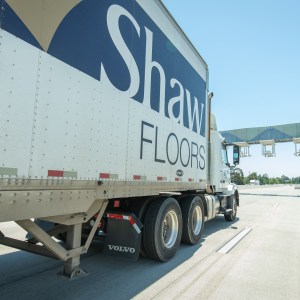
When commercial flooring needs replacing, some companies may discard the old carpet tiles like any other construction waste. However, Shaw Industries aims to recover its EcoWorx carpet tiles for recycling. The reverse logistics process for returning these tiles to Shaw is complex and requires effective use of freight transportation.
Shaw has implemented various strategies to make it easier for customers to return the tiles, preventing them from ending up in landfills. One such initiative is printing a toll-free number and URL on the back of EcoWorx carpet tiles to inform demolition teams about the recycling process. Shaw also monitors its projects where its products have been installed, allowing it to contact these customers when they are likely to undertake renovations.
A key factor in making returns cost-effective is the minimum quantity required for a pickup. In 2022 and 2023, Shaw lowered this minimum from 500 square yards to 100 square yards, making it more accessible for smaller commercial spaces. Shaw's extensive network of regional distribution centers, numbering 30 and handling 2,700 customer deliveries daily, facilitates the efficient collection and transportation of returned tiles to its manufacturing and recycling facility in northwest Georgia.
These centers also support local trucks that pick up reclaimed carpet tile from customers and allow customers to drop off the tiles directly at the centers. Shaw's approach has resulted in the recycling of over 1 billion pounds of carpet tiles since 2006, contributing to customers' landfill diversion efforts and reducing the embodied carbon and Scope 3 emissions associated with new carpet tile manufacturing.
Written by urgent.news from FreightWaves's reporting — not their text. Machine-written — may contain errors; check the original before relying on it.