Groundhog Day for AI agents: Prompt caching patterns for using OpenAI models on Amazon Bedrock
Every time an agent takes a step, it re-reads its entire context before acting. Here is how prompt caching for OpenAI models on Amazon Bedrock lets your agent remember, cutting input cost and latency without resending the same tools, instructions, and history every turn.
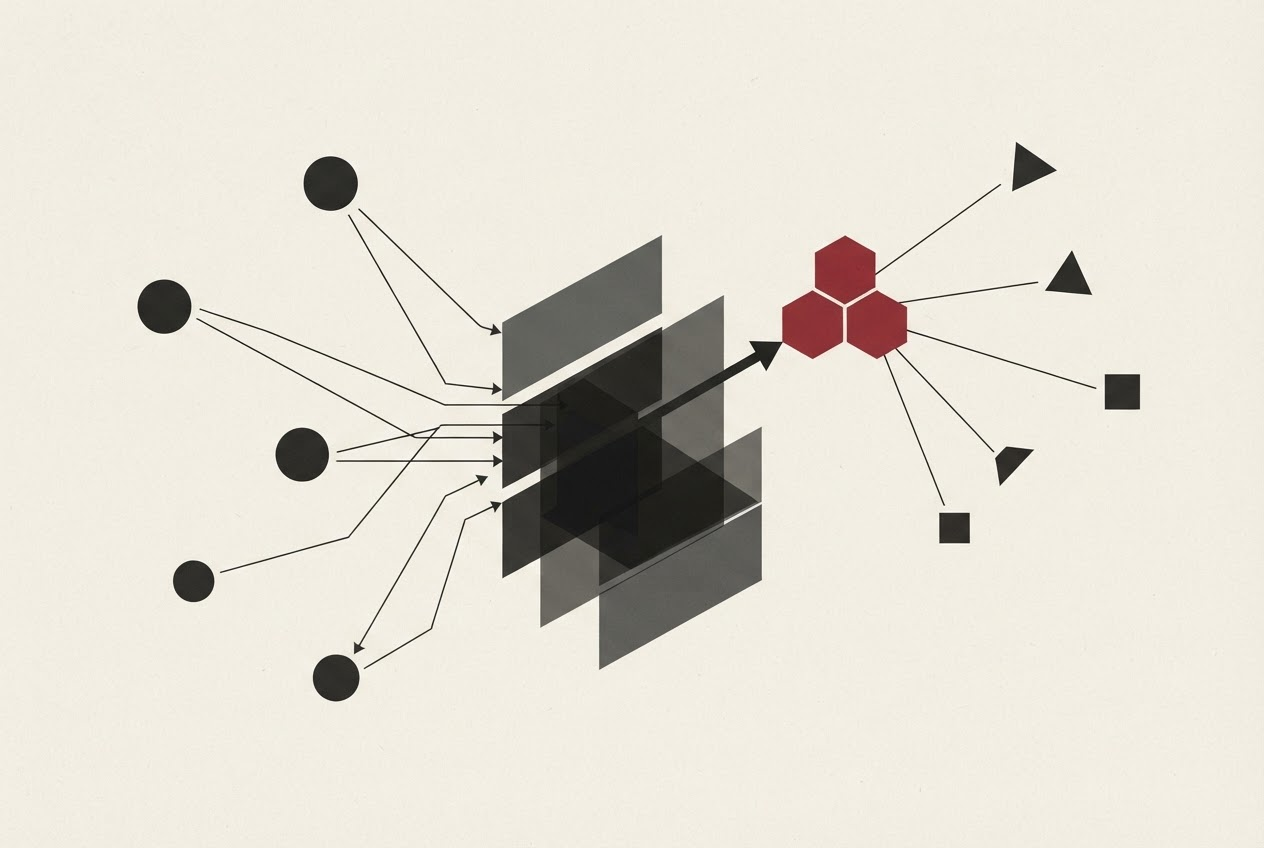
Every time you create an AI agent, it must repeat its entire past performance when executing an action. This concept is similar to the movie Groundhog Day, where Bill Murray's character relives the same day over and over. In the case of AI agents, they send the model their full history each time they take an action. This includes the tool definitions, instructions, and every previous tool call and result.
As a result, the model only predicts the next token based on the input provided, with no internal memory between requests. The model must re-read all of the previous turns every time, causing a significant cost.
Prompt caching can break this cycle by storing the input prompt (instructions, tools, and content) and reusing it on the next request at a lower cost. The service saves the prompt prefix up to a breakpoint, which can be set explicitly or implicitly. Implicit caching allows Amazon Bedrock to choose what to cache as the conversation grows, while explicit caching lets you mark shared content, such as tools and instructions, for reuse across sessions and when spawning helper agents.
Combining both methods provides a reusable starting point while Bedrock manages the growing conversation automatically.
Written by urgent.news from AWS Machine Learning's reporting — not their text. Machine-written — may contain errors; check the original before relying on it.