Experts call for preventive measures as dengue cases continue to rise in KP
PESHAWAR: The cases of dengue fever continued to rise in Khyber Pakhtunkhwa during October, the peak month for infection, with the provincial tally reaching 4,856 after 51 new cases were reported on Sunday. The latest dengue situation report, released by Integrated Diseases Surveillance and Response System (IDSRS) at Directorate General Health Services of Khyber Pakhtunkhwa, shows that 2,244…
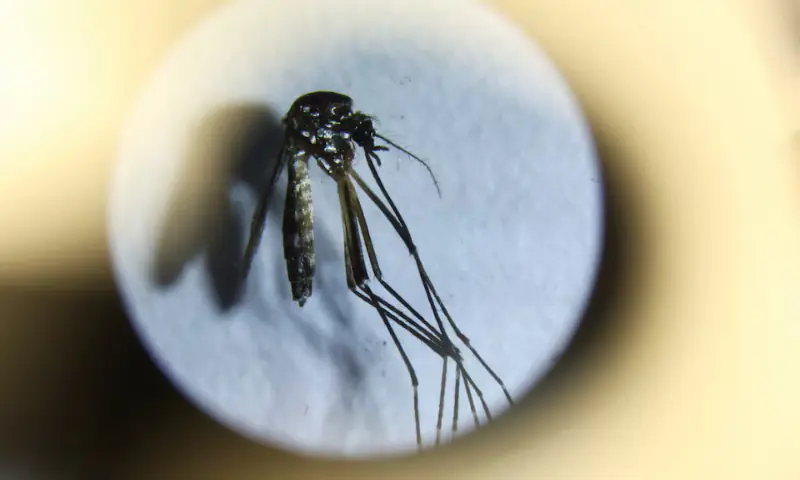
PESHAWAR: The number of dengue fever cases in Khyber Pakhtunkhwa (KP) continued to climb in October, the peak month for infections, with the province registering 4,856 cases. The Integrated Diseases Surveillance and Response System (IDSRS) reported 2,244 cases during the month, led by Kohat district with 2,822 infections. Peshawar followed with 611 cases, while Khyber, Bannu, Haripur, Abbottabad, Charsadda, Mansehra, Karak, and Nowshera reported 430, 192, 133, 89, 88, 68, 57, and 5 cases respectively.
Only a few districts reported single-digit infections. Kohat remains the most concerning district for health experts and anti-dengue workers, having recorded 1,230 cases alone in October. Currently, there are 199 active cases in the province, none of which require hospitalization. One death has been reported in Dera Ismail Khan.
Most infected individuals are managing through home isolation, with 4,656 patients recovering. October is traditionally the most infectious period for dengue, as high temperatures create ideal breeding conditions for mosquitoes. However, cases typically decline in November as temperatures drop. Despite warnings from health officials, the Kohat district administration failed to implement measures to eliminate mosquito breeding sites, such as leveling demolished refugee camps and filling ditches.
The health department previously cautioned about the outbreak, yet recommended measures were not executed. Dengue has plagued Khyber Pakhtunkhwa since 2012, as favorable environmental conditions have allowed the mosquito population to thrive. The disease typically spreads in April, peaks in September and October, and declines in November.
The health department prepares for the following year by training healthcare workers on the Dengue Action Plan, which emphasizes environmental management and community awareness as key strategies for prevention.
Written by urgent.news from Dawn - Pakistan's reporting — not their text. Machine-written — may contain errors; check the original before relying on it.