Europe’s top five defence powers to name Russia as greatest threat
Europe’s five largest defence spenders are set to warn that Russia represents the most acute and long-term threat to the continent’s security as they pledge unflagging support for Ukraine. “Russia’s ongoing war of aggression against Ukraine, on the one hand, and its continued violations of Allied airspace, acts of sabotage and growing use of multi-domain hybrid attacks, on the other, do not…
France, Germany, Italy, Poland, and the United Kingdom, collectively known as the E5, are expected to identify Russia as the most significant long-term threat to European security, according to a draft joint statement. This warning stems from Russia's ongoing war of aggression against Ukraine, as well as its persistent violations of Allied airspace, acts of sabotage, and the increased use of multi-domain hybrid attacks.
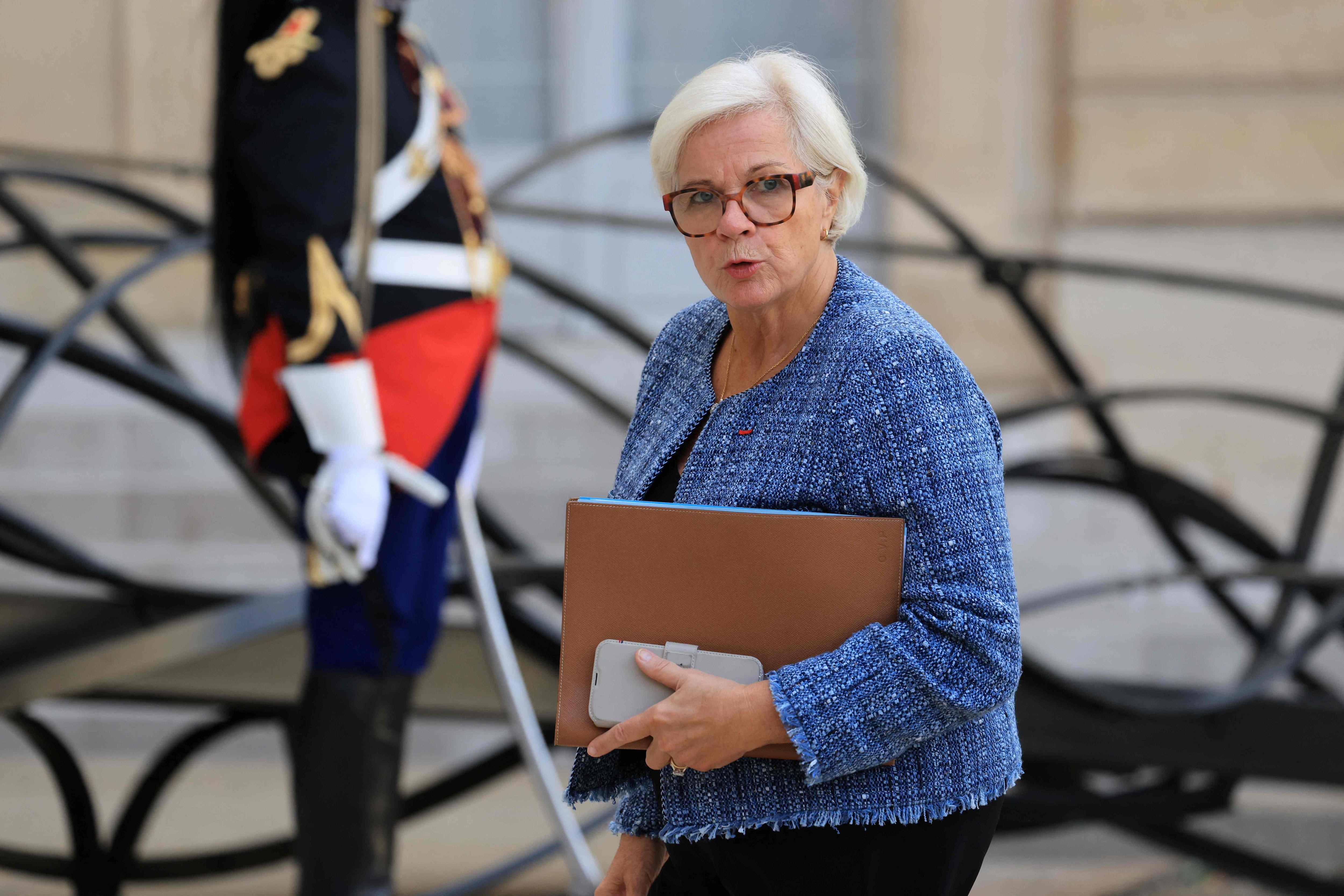
During a meeting in Paris, hosted by French Defence Minister Catherine Vautrin, the ministers will also discuss security challenges in the Middle East, as Saudi Defence Minister Prince Khalid bin Salman attends with representatives from countries in the Makkah Agreement to seek a diplomatic solution to regional crises. The European ministers' message aims to respond to Russia's escalating hybrid attacks, including suspected sabotage, cyber attacks, arson, drone incursions, and threats to critical infrastructure and defense companies.
The statement emphasizes that these activities are intended to test NATO's limits, disrupt support for Ukraine, and exploit uncertainty over the alliance's response without provoking a broader conflict. While acknowledging the United States remains an "indispensable ally," the draft states that European countries must assume greater political and military leadership to modernize their forces and capabilities, enhancing NATO's collective defense to adapt to current and future challenges.
The EU's regulatory and financial resources can support member states' defense ambitions, but the bloc's defense efforts should complement NATO rather than duplicate its work, and remain open to members outside the alliance. German Chancellor Friedrich Merz cautioned that Russia's threat extends beyond Ukraine, arguing that Moscow increasingly seeks to destabilize European democracies through pressure, interference, and hybrid attacks.
Merz urged Europe to take the threat more seriously, strengthen defenses, and reduce reliance on the US while continuing to support Ukraine. This development follows rising tensions between America and Ukraine, triggered by the US President Donald Trump's deal with Russian President Vladimir Putin. The agreement required Washington to refrain from imposing further sanctions in exchange for Moscow supplying diesel to the global market, aiming to reduce energy prices.
The deal faced strong backlash from US politicians allied with Trump, as well as Ukraine and European leaders.
Written by urgent.news from The National Business's reporting — not their text. Machine-written — may contain errors; check the original before relying on it.