European shares hold as markets weigh Iran diplomacy, await c.banks
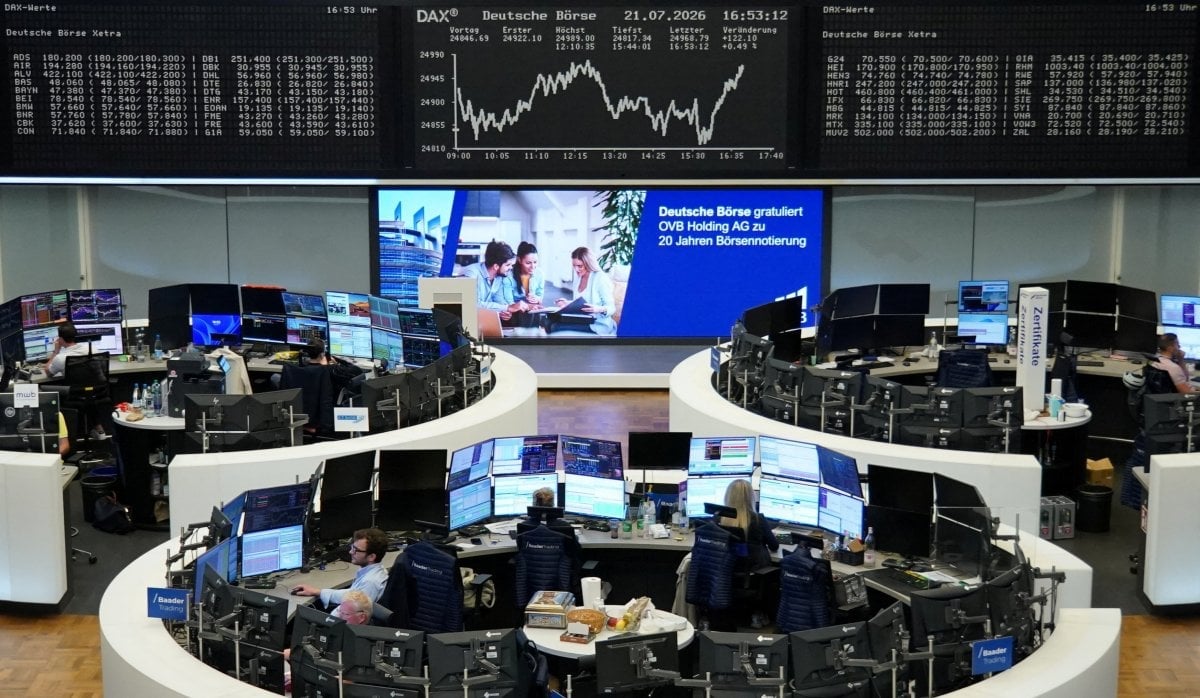
European stocks maintained a relatively stable position on Monday, as investors navigated the aftermath of recent diplomatic efforts to quell tensions in the Middle East and awaited crucial announcements from central banks. The pan-European STOXX 600 index remained largely unchanged, recovering from a 1% decline the previous week, driven by a combination of factors including a decline in tech sector performance and flight-to-safety sentiment stemming from the unrest in France.
Germany's DAX index edged up by 0.4%, while France's CAC 40 gained 0.6%, while London's FTSE 100 slipped by 0.1%, mostly due to the upcoming earnings reports from oil and gas giants BP and Shell. Italy's FTSE MIB index managed a 0.5% increase.
Crude oil prices played a significant role in providing a breathing room for European energy-importing bourses on Monday. With crude futures falling by 1% on the back of reports indicating that Qatari mediators were engaged in discussions with Washington to cool regional hostility, energy-importing European markets found some respite.
The decline in oil prices followed a 6.2% surge in international benchmark Brent futures last week, resulting from coordinated Houthi drone and missile attacks on vital Saudi Arabian infrastructure.
Despite the relief provided by the slight decline in oil prices, the broader inflationary concerns generated by the elevated energy benchmarks continued to weigh on investor sentiment. European central banks were viewed as walking a fine line, with rate increases expected, although policymakers may maintain a cautious approach in the near term.
Market participants anticipate that the U.S. Federal Reserve will keep its benchmark interest rate unchanged at 3.75%-4.00% this week, although interest-rate swaps suggest an 80% probability of a 25-basis-point rate hike in December. Similar hawkish expectations are priced in for the European Central Bank and the Bank of Japan, who are both expected to keep rates steady this week before potentially making follow-up increases before the end of the year or early next quarter to address persistent energy-driven price pressures.
European technology stocks managed to hold their ground following their significant drop last week. Investors' attention was primarily focused on the upcoming U.S. corporate earnings reports, with a third of S&P 500 companies scheduled to release their quarterly results. Key players included cloud and AI giants Alphabet, Microsoft, and Amazon.
Traders were highly interested in management commentary regarding their capital expenditure plans, with a particular focus on potential investments in AI and semiconductor equipment. The uncertainty surrounding aggressive debt financing and the lengthy timelines for realizing returns on AI investments, which spurred the global tech sell-off last week, made capital expenditure guidance a critical indicator for European chip equipment suppliers such as ASML and ASM International.
Despite ongoing civil unrest and political gridlock surrounding French President Emmanuel Macron's proposed budget, French assets experienced a temporary boost when the sovereign credit rating agency Moody's decided not to downgrade France's sovereign debt rating on Friday. The decision helped alleviate the pressure on French 10-year government bond yields, which had risen to their highest levels since 2002, breaching the psychologically significant 5.00% threshold.
Written by urgent.news from Investing.com's reporting — not their text. Machine-written — may contain errors; check the original before relying on it.