Elvis's rights holders seek $41.1 million from Anthropic over songs used to train AI
Dubai: The owners of Elvis Presley's music have sued artificial intelligence company Anthropic, alleging it used 274 of his songs without permission to train its Claude AI models. The lawsuit was filed on Friday, October 23, in federal court in San Francisco, where Anthropic is based. It is led by Authentic Brands Group, the licensing company that controls Presley's intellectual property,…
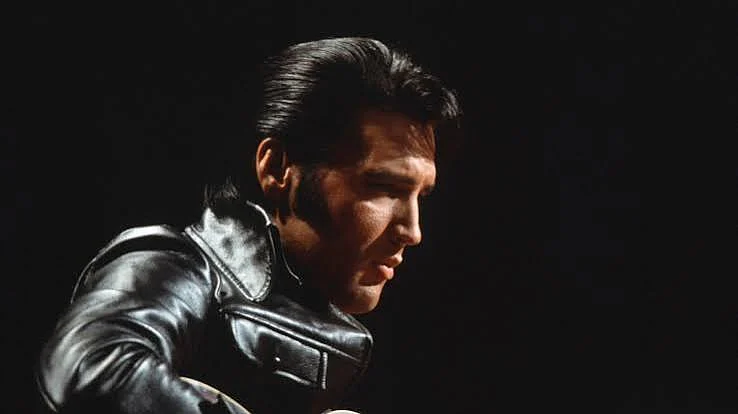
The owners of Elvis Presley's music have filed a lawsuit against AI company Anthropic, accusing the firm of using 274 of Presley's songs without permission to train its Claude AI models. The complaint, filed on October 23 in San Francisco federal court, was brought by Authentic Brands Group, along with other entities holding Presley's music rights.
Anthropic has denied the allegations and vowed to vigorously defend the lawsuit. The 274 songs in question span lesser-known tracks and Presley's most famous hits, including "All Shook Up," "Can't Help Falling in Love," and "Don't Be Cruel." The lawsuit alleges that Anthropic incorporated Presley's copyrighted lyrics and compositions throughout the development of Claude models without a license or compensation.
It claims that Anthropic created a permanent library of Presley's songs, from which subsets were copied and reused to train subsequent generations of Claude models. The complaint further alleges that Claude continues to produce infringing content when users request it. The plaintiffs are seeking statutory damages of up to $150,000 per infringed song, totaling $41.1 million, as well as a permanent injunction and orders for Anthropic to destroy unlicensed copies of Presley's works.
This case is part of a growing trend of music industry copyright lawsuits against AI firms, with Universal Music, Concord Music Group, and ABKCO already suing Anthropic over song lyrics in 2023, and other companies following suit this year. The Presley lawsuit is still in its early stages, but if successful, it could set a precedent for AI companies using copyrighted material to train their models.
Written by urgent.news from Gulf News's reporting — not their text. Machine-written — may contain errors; check the original before relying on it.